
Plants
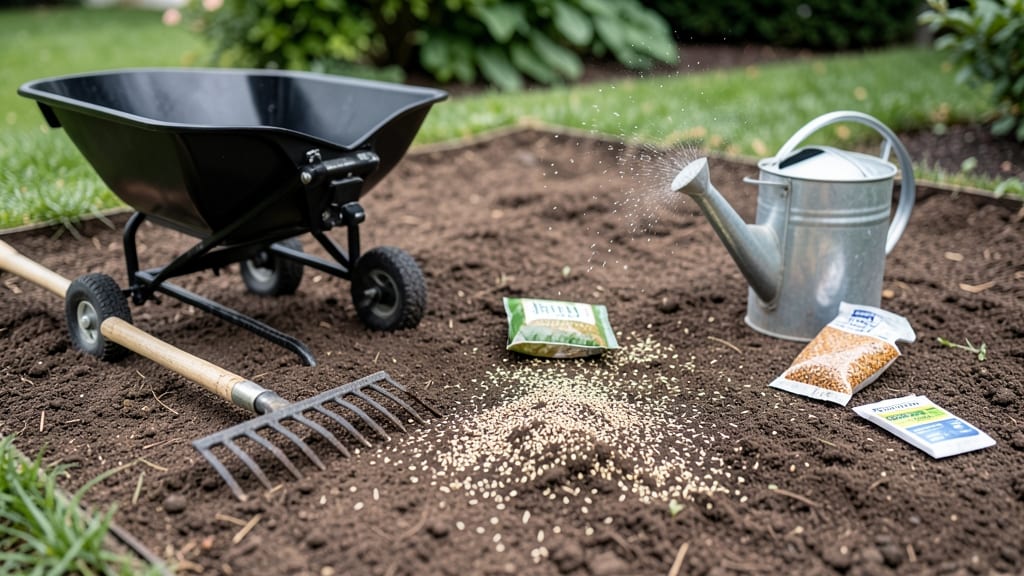
To plant grass seed in St. Louis, MO, aim for early spring or early fall when soil temperatures are ideal for germination.
St. Louis’ scorching summers and unpredictable spring rains can turn grass seeding into a gamble—but timing is everything. Plant too early, and frost kills your efforts; too late, and summer heat stifles germination.
In Zone 6a, the best window is March through April or September through October, when soil stays cool enough for seeds to sprout without drying out.
Here’s how to lock in the best chance for a lush lawn: prepare the soil, water consistently, and avoid common mistakes that derail germination.
Best weeks to plant grass seed in St louis MO (avoiding summer heat & frost)
St. Louis’ USDA Zone 6a/6b climate creates a tight window for planting grass seed. The key is avoiding late spring frosts (after April 15) and summer heat (above 85°F), which stresses young seedlings.
My strategy focuses on two ideal periods: early spring and early fall, when soil temps stay between 50–75°F—perfect for germination.
Cool-season grasses like tall fescue and Kentucky bluegrass thrive in St. Louis’ climate, while warm-season varieties like Bermuda grass need warmer soil. The challenge? St. Louis’ humidity and clay soil can delay drying after rain, so timing is everything to prevent fungal diseases.
Let’s break down the exact weeks that work best for your lawn.
Comparison Table: Best Planting Windows for St. Louis Grass Seed
For cool-season grasses, I recommend planting in mid-March to early April or mid-September to early October. These windows give seedlings time to establish roots before summer heat or winter frost.
In my experience, September planting often yields the best results because St. Louis’ humidity drops and soil stays warm longer, reducing fungal risks.
If you’re planting warm-season grasses like Bermuda, aim for late May to early June when soil temps consistently stay above 70°F. However, be prepared for intense watering needs—St. Louis summers can dry out soil quickly, and seedlings may struggle without daily moisture for the first 2 weeks.
Pro tip: Check soil temps with a soil thermometer (available at garden centers). Plant only when temps are stable in your target range. I’ve seen many gardeners rush planting in early May only to watch their seedlings brown from heat stress within days.
Another critical factor is moisture balance. St. Louis’ clay soil holds water but can become waterlogged after rain. After planting, keep the soil consistently moist (about 1–1.5 inches of water per week) but avoid overwatering, which can cause seed rot.
A light mulch (like straw) helps retain moisture without smothering seedlings.
For maximum success, I also recommend aerating your lawn 1–2 weeks before seeding. This loosens compacted clay soil, allowing roots to penetrate deeper. Pair this with a starter fertilizer (high in phosphorus) to boost root growth during those critical first weeks.
One common mistake? Planting too late in spring (after June 1) or too early in fall (before September). Late spring seedlings face summer heat stress, while early fall plants may not establish enough roots before frost.
Stick to the 4–6 week rule: Plant 4–6 weeks before the last frost (April 15) or 4–6 weeks before the first frost (October 20).
Remember, St. Louis’ microclimate can vary by neighborhood. If you’re in a warmer microclimate (like near the Mississippi River), you might extend your warm-season planting window by 1–2 weeks. Always monitor local weather forecasts and adjust accordingly.
With the right timing and care, your grass seed will germinate into a lush, resilient lawn that survives St. Louis’ extremes. Start with
How to prepare your St. louis lawn for grass seed success (soil, sun, and timing tips)
Preparing your St. Louis lawn for grass seed requires attention to soil conditions, sunlight exposure, and timing. The city’s clay-heavy soil and hot summers demand special prep to ensure your seeds germinate properly.
Start by testing your soil pH—aim for 6.0 to 7.0—since St. Louis’ alkaline tendencies can hinder seed growth. If your soil is too compacted, aeration becomes your best friend.
Clearing debris like leaves, rocks, and weeds is non-negotiable. These obstacles block sunlight and moisture, creating competition for your grass seedlings. Use a rake or dethatcher to create a smooth, seed-friendly surface.
For clay soil, consider adding compost or sand to improve drainage. This step alone can make the difference between a patchy lawn and a lush carpet of grass.
- 📅 Step 1: Test Soil pH – Use a soil test kit to check pH. Amend with lime (to raise) or sulfur (to lower) if needed.
- 🪴 Step 2: Aerate Compacted Soil – Rent a core aerator to create holes for seeds and roots. Focus on high-traffic areas first.
- 💧 Step 3: Water Deeply – Soak the soil to a depth of 6 inches 24 hours before seeding. This mimics spring rain conditions.
- ✂️ Step 4: Rake Smoothly – Use a bow rake to create a fine, even surface. Avoid over-raking, which can bury seeds too deep.
- 🌱 Step 5: Spread Seed Evenly – Use a broadcast spreader for uniform coverage. Overlap passes to avoid bald spots.
- 📏 Step 6: Lightly Rake Again – Gently press seeds into soil with a hand rake for seed-to-soil contact.
- 🌧️ Step 7: Water Lightly – Mist the area with a fine spray to keep soil moist. Aim for 1/4 inch of water daily.
St. Louis’ sunlight patterns play a crucial role in seed success. Most grass types thrive with 6+ hours of sun daily, but shade-tolerant varieties like fine fescue can handle partial shade.
If your lawn has tree shade, consider seeding in early fall when sunlight angles improve. Avoid seeding in deep shade, where grass struggles to establish.
Timing your watering schedule is just as critical as the initial prep. After seeding, keep the soil consistently moist—not soggy—by watering early in the morning. This reduces evaporation and fungal risks. Use a rain gauge or tuna can to measure 1–1.5 inches of water weekly.
Overwatering can wash seeds away, while underwatering causes dormancy. Adjust for rain by skipping watering days when 1/2 inch of rain falls.
Once your seeds sprout (usually in 7–21 days), gradually reduce watering to deep, infrequent soaks. This encourages root development and drought resistance. By 6–8 weeks, your new lawn should be ready for mowing at 3 inches high.
Avoid walking on it until fully established to prevent seedling damage.
With these steps, your St. Louis lawn will be thriving in no time. The key is patience—consistent care during the first 30 days sets the foundation for a healthy, green lawn all season. 🌱