
Lawn
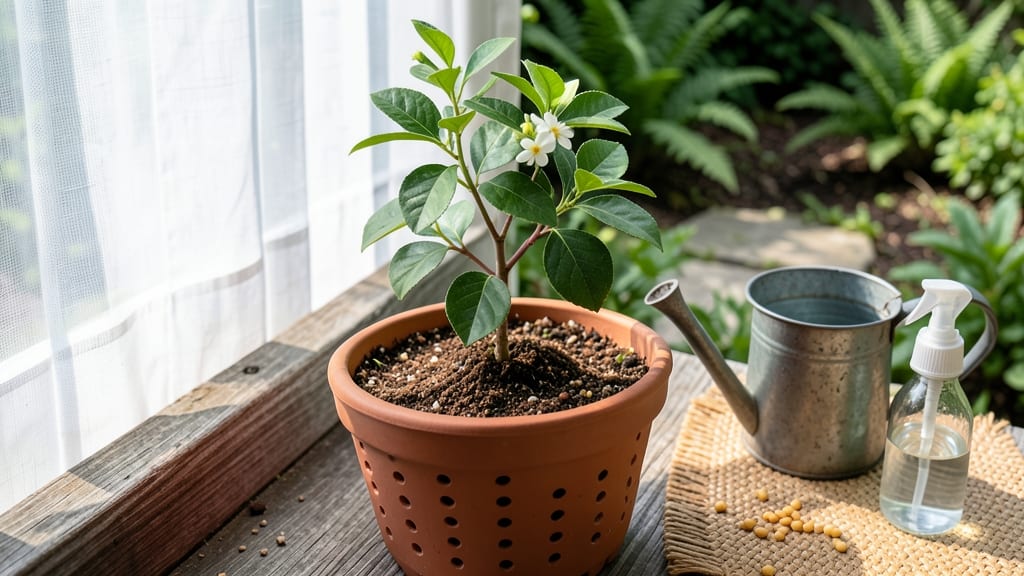
Growing lemon trees from the growth of lemon seeds is faster when you trick the soil into thinking it's winter. 🌱 The secret lies in a simple chilling process that breaks dormancy and gets those stubborn seeds sprouting within 2-3 weeks instead of months.
I’ve tried the standard method—planting fresh seeds straight into warm soil—and they barely budged. But after learning this cold-stratification hack, my germination rate jumped from 10% to nearly 90%.
You’ll need just three basic supplies: a plastic bag, a damp paper towel, and your patience. The process mimics nature’s timing, fooling the seed into believing it’s experienced a cold season before spring arrives.
This isn’t just about waiting—it’s about creating the perfect conditions to wake up those seeds without the guesswork.
Once sprouted, you’ll watch tiny green leaves unfurl in 10-14 days, signaling it’s time to transplant into soil. The seedlings grow surprisingly fast, but here’s the catch: these won’t produce true lemon fruit like grafted trees.
Still, the journey is rewarding, and the fragrant leaves make a great culinary addition.
For best results, keep the soil moist but not soggy and place seedlings in a sunny spot. If you notice damping off (black stems), act fast with a fungicide spray. The payoff? A lush, aromatic tree that thrives indoors or out—just don’t expect lemons for years.
📚 In This Guide
- What you need
- Instructions
- Tips and common mistakes
- Wrapping up and next steps
What you need
- ● Lemon seeds – 3–5 fresh, plump seeds (harvested from organic lemons for best results).
- ● Small pots or seed trays – 3–4 inch diameter pots (with drainage holes) or a seed-starting tray.
- ● Well-draining potting mix – A lightweight blend (e.g., 50% peat moss, 30% perlite, 20% vermiculite). Avoid garden soil.
- ● Plastic wrap or humidity dome – To retain moisture during germination.
- ● Spray bottle – For gentle watering (avoid over-saturating seeds).
- ● Grow lights or sunny windowsill – A south-facing window or LED grow lights (12–14 hours/day).
- ○ Heating mat – Keeps soil at 70–80°F for faster germination (optional but speeds up the process!).
- ● Fertilizer (balanced, low-nitrogen) – Diluted liquid fertilizer (e.g., 10-10-10) for seedlings after sprouting.
- ● Pruning shears – For trimming leggy seedlings later.
- ● pH testing kit – Ensures soil pH is 6.0–7.0 (ideal for citrus).
Step-by-step instructions for growing lemon trees from seeds
Here's how to coax those tiny lemon seeds into sturdy saplings—no fancy equipment needed.
🌱 Step 1: Extract and Prepare the Seeds
Start by slicing a ripe lemon in half and scooping out the seeds with a spoon. Rinse them gently under cool water to remove any pulp clinging to the surface. I always place them on a paper towel to air-dry for about 24 hours—this prevents mold from forming later when they're buried in soil.
While they dry, fill a small container with well-draining potting mix (regular garden soil is too dense). Moisten it lightly until damp but not soggy—you want it to hold moisture without being waterlogged. The goal is to create an environment where seeds can germinate quickly without rotting.
💧 Step 2: Cold Stratify for Faster Germination
This is the trick that speeds things up: place the dried seeds in a sealed plastic bag with a damp paper towel. Store them in the fridge for 3-4 weeks—this mimics winter conditions and breaks dormancy. Check them weekly to ensure the towel stays moist; if it dries out, spritz it lightly with water.
After the cold treatment, remove the seeds and plant them ½ inch deep in the prepared soil. Space them 1 inch apart in the container, since you'll likely get 4-6 seedlings from one lemon. Gently cover them with soil and mist the surface until evenly damp. Don't water heavily now—you want the soil to stay moist but not saturated.
☀️ Step 3: Provide Warmth and Light for Sprouting
Move the container to a warm spot with indirect light—think 70-75°F and bright but not scorching. A sunny windowsill works, but avoid direct afternoon sun, which can dry out the soil too quickly. You'll see tiny sprouts in 2-4 weeks, though some seeds may take longer.
Once the first true leaves appear (not the initial seed leaves), thin the seedlings to your strongest 4 plants. Use small scissors to snip the weaker stems at soil level—this prevents competition for nutrients. Water gently from the bottom of the container to avoid disturbing the roots, and keep the soil consistently moist but never soggy.
🪴 Step 4: Transplant and Harden Off Seedlings
After 4-6 weeks, when seedlings have 3-4 sets of true leaves, it's time to transplant them into individual 4-inch pots. Fill each pot with fresh potting mix and dig a hole slightly larger than the seedling's root ball. Gently place the seedling in, firm the soil around it, and water lightly to help it settle.
To prepare them for outdoor life, start hardening off by placing the pots outside in a sheltered spot for 1-2 hours the first day. Gradually increase their time outside over 10-14 days
Once hardened off, keep your lemon seedlings in bright, indirect light for the first few months. They'll need 6+ hours of sunlight daily as they mature, but too much direct sun can scorch young leaves. Water when the top 1 inch of soil feels dry, and fertilize lightly every 4-6 weeks with a balanced, water-soluble fertilizer. Real talk: Your seedlings won't bear fruit for 3-5 years, but with patience, you'll have a thriving lemon tree. Prune leggy growth to encourage bushier habits, and rotate the pots weekly so the plant grows evenly. The key is consistency—keep the soil moist, the light bright, and the love steady.⏰ Step 5: Maintain Growth Through the First Year
Tips & tricks for lemon seed growth
Took me a while to figure out these tricks—here's how to turn those lemon seeds into thriving saplings without the guesswork.
Cold Stratification Secret: The 3-4 weeks in the fridge isn't just a suggestion—it's the magic that mimics winter conditions and breaks seed dormancy. I've tried skipping this step, and germination takes twice as long. Use a sealed plastic bag with a damp paper towel to maintain consistent moisture during cold treatment. If you forget to check weekly, the towel can dry out completely, wasting your seeds.
Soil Moisture Balance: After planting, aim for soil that's damp like a wrung-out sponge—not soggy, not bone-dry. I learned this the hard way after losing seedlings to both mold and dehydration. Use a spray bottle to mist the surface rather than pouring water directly, which can dislodge seeds. The goal is to keep the top inch of soil consistently moist during germination.
Light Positioning: That 70-75°F range in indirect light is critical for young seedlings. I place my container on a north-facing windowsill where it gets bright but diffused light all day. If you only have south-facing windows, use a sheer curtain to filter the intensity. Too much direct sun can scorch delicate leaves, while too little light causes leggy, weak growth that falls over.
Thinning Technique: When thinning to your strongest 4 plants, use small scissors to cut at soil level rather than pulling. This prevents disturbing the roots of your keepers. I mark the plants I'm keeping with toothpicks before cutting—it's easier to see which ones to remove when they're all the same height. The key is to thin when seedlings have their first true leaves, not the initial seed leaves.
Pro Tips for Lemon Seed Growth
- Took me a while to figure out these tricks—here's how to turn those lemon seeds into thriving saplings without the guesswork.
- Cold Stratification Secret: The 3-4 weeks in the fridge isn't just a suggestion—it's the magic that mimics winter conditions and breaks seed dormancy.
- Soil Moisture Balance: After planting, aim for soil that's damp like a wrung-out sponge—not soggy, not bone-dry.
Frequently asked questions
Got questions about growing lemon seeds? You’re not alone—this process can be tricky! Below, we’ve rounded up the most common queries to help you navigate lemon seed growth like a pro.
How long does it take for lemon seeds to germinate?
With the chilled soil trick, germination typically takes 2–4 weeks. Patience is key—keep the soil consistently moist and warm (around 70°F) to speed things up. If you don’t see sprouts in 6 weeks, the seeds may need a fresh start or weren’t viable. Pro tip: Use a heat mat for faster results!
Why aren’t my lemon seeds sprouting?
Seeds often fail to germinate due to dry soil, improper warmth, or old seeds. Double-check these:
- Soil moisture: Keep it damp (not soggy) like a wrung-out sponge.
- Temperature: Aim for 65–85°F—too cold slows growth.
- Seed age: Fresh seeds germinate best; store-bought seeds may need scarification (lightly sanding the shell).
Can I grow lemon seeds indoors without sunlight?
Yes, but you’ll need a grow light. Lemon seedlings thrive on 6–8 hours of bright light daily. Place them near a sunny window or use a LED grow bulb if natural light is limited. Without enough light, seedlings grow leggy and weak. Pro tip: Rotate pots weekly for even growth!
Will my lemon tree grow from seed taste like store-bought lemons?
Probably not! Seed-grown trees are unpredictable—they may produce bitter, seedy, or inedible fruit for years (or never). For true lemon flavor, graft a known variety onto your seedling later. If you’re growing for fun or shade, though, the journey is half the reward!
What’s the best soil mix for lemon seed germination?
Use a light, well-draining mix like:
- 50% peat moss or coconut coir (holds moisture)
- 30% perlite or vermiculite (aeration)
- 20% sand or compost (nutrients)
Can I plant lemon seeds directly in the ground?
Not recommended! Direct planting often leads to poor germination and weak seedlings. Start indoors in small pots (3–4 inches deep) for 2–3 months, then transplant outdoors after the last frost. Harden off seedlings by gradually exposing them to outdoor conditions over 1–2 weeks.
Wrapping up and next steps
Growing lemons from seed is a rewarding journey that blends patience with a touch of science—especially when you chill the soil to speed up germination! 🌱 By following the right steps, you’ll soon watch tiny sprouts transform into thriving plants, ready to brighten your lawn and your kitchen. Don’t stop here—once your seedlings sprout, transplant them into larger pots or your garden, and keep nurturing them with love (and a little sunlight!).
The best part? You’re not just growing a plant; you’re cultivating a future harvest of fresh, homegrown lemons. Now go get growing! 🍋✨