
Lawn
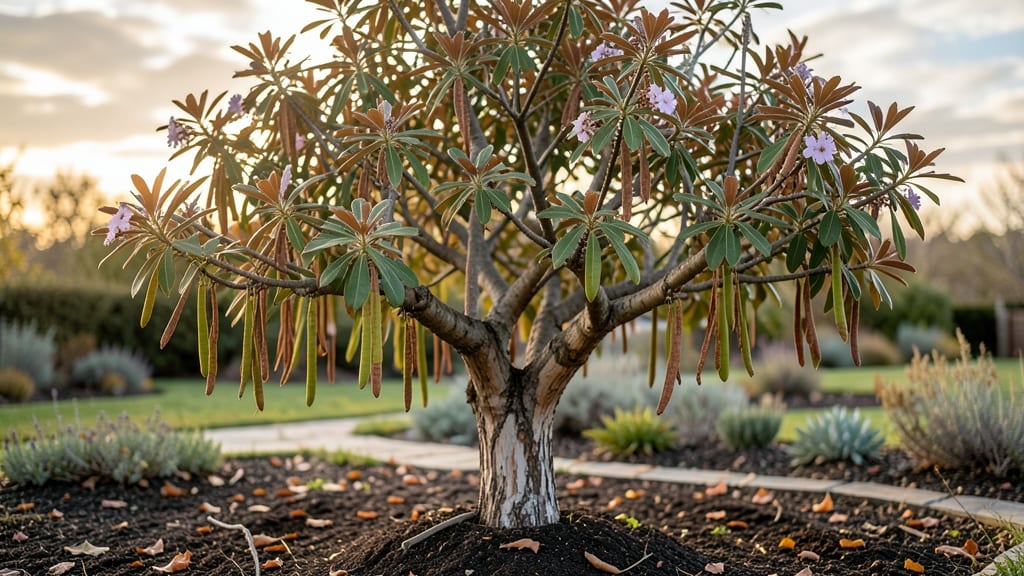
Those papery crape myrtle seed pods might look messy, but they’re actually nature’s way of protecting next year’s trees. 🌱 I used to snip them all off—until I learned how to work with them instead.
The secret to fast germination lies in breaking dormancy the right way, turning those dried-up pods into sturdy new plants in just weeks.
Start by harvesting pods when they’re brown and crispy, then soak them in warm water for 24 hours to soften the outer shell. After that, it’s all about timing: plant the seeds in well-draining soil and keep them moist but not soggy.
Most gardeners skip this step and wait months for germination—don’t be one of them.
You’ll see tiny sprouts within 2-3 weeks if you do it right, and those seedlings grow surprisingly fast. The key is patience during the soaking phase—rushing it means tougher shells that delay germination. Once they’re up, thin them to give each plant room to thrive.
Pro tip: If you’re not ready to plant, store the soaked pods in a damp paper towel in the fridge until spring. This trick keeps them viable for months, so you’re never left scrambling when the gardening season starts. Now go turn those pods into trees!
📚 In This Guide
- What you need
- Instructions
- Tips and common mistakes
- Wrapping up and next steps
What you need
- ● Crape myrtle seed pods: 10–20 fresh, mature pods (harvested in late fall/winter). Ensure they’re plump and slightly dry but not brittle.
- ● Sharp pruning shears or scissors: 1 pair (for carefully opening pods without damaging seeds).
- ● Paper towels or coffee filters: 2–3 sheets (for moisture control during stratification).
- ● Plastic zip-top bags: 1–2 quart-sized bags (to create a humid environment).
- ● Water spray bottle: 1 (for misting seeds gently).
- ● Small containers or seed trays: 1–2 (with drainage holes, 4–6 inches deep). Use seed-starting mix or a blend of 50% peat moss and 50% perlite.
- ● Refrigerator or cold frame: Access to a space at 35–40°F (2–4°C) for stratification (4–6 weeks).
- ● Labeling tags: 5–10 (to track seed varieties and planting dates).
- ○ Heat mat (optional): 1 (for post-stratification warmth, set to 70–75°F (21–24°C)).
- ● Grow lights or sunny windowsill: 1–2 (for 12–16 hours of light/day after germination).
- ○ Fungicide (optional): 1 bottle (e.g., neem oil or hydrogen peroxide solution) to prevent mold during stratification.
- ● Gloves: 1 pair (to protect hands from seed pod fibers).
How to break dormancy in crape myrtle seed pods
Here’s the method I’ve used to coax stubborn crape myrtle seeds into sprouting—no fancy equipment, just patience and the right timing.
🌱 Step 1: Harvest and Clean the Seed Pods
Collect mature seed pods when they turn brown and begin splitting open naturally—this usually happens in late fall or winter. I wear gloves because the pods release a fine, irritating powder that sticks to skin. Once home, soak the pods in lukewarm water for 24 hours to soften the outer husk. This makes it easier to pry open the pods and extract the flat, dark seeds inside.
Lay the pods on a clean towel and gently squeeze them between your fingers until they split. You’ll find 1-3 seeds per pod, each about the size of a small pea. Spread them out to dry for 2-3 days in a warm, shaded spot. This prevents mold from forming when you store them later. I label each batch with the harvest date—some years’ seeds germinate better than others.
💧 Step 2: Stratify the Seeds for Dormancy Break
Crape myrtle seeds need cold stratification to break dormancy, mimicking winter’s natural process. Mix the dried seeds with moistened peat moss or coconut coir in a sealed plastic bag. I use a 1:3 ratio of seeds to moisture—enough to dampen the mix but not soak it. Seal the bag tightly and place it in your refrigerator for 6-8 weeks. Check the bag weekly and mist with water if it feels dry.
This cold treatment tricks the seeds into thinking winter has passed, signaling them to sprout. If you skip this step, germination rates drop dramatically—sometimes to zero. I’ve tried room-temperature soaking alone, and it just doesn’t work. Patience here pays off: the seeds will look shriveled when you pull them out, but that’s normal.
☀️ Step 3: Sow the Stratified Seeds
After stratification, fill small pots or seed trays with well-draining potting mix. Press the mix down lightly to remove air pockets, then scatter the seeds on the surface—don’t bury them. Crape myrtle seeds need light to germinate, so covering them with soil will prevent sprouting. Moisten the mix gently with a spray bottle until it’s damp but not soggy.
Place the trays in a warm, bright spot (around 70-75°F) with indirect light—direct sun can dry out the soil too quickly. I use a grow light on a timer for 12 hours daily if natural light is weak. Germination can take 2-4 weeks, so don’t give up if nothing happens right away. Keep the soil consistently moist by misting every 2-3 days—never let it dry out completely.
🌿 Step 4: Transplant Seedlings When Ready
Once seedlings reach 2-3 inches tall and develop 2-3 sets of true leaves (not the initial seed leaves), they’re ready to move. Gently lift each seedling with a small spoon or your fingers, being careful not to damage the delicate roots. Transfer them to individual 4-inch pots filled with the same potting mix, planting them at the same depth they were growing before.
Place the pots in a shaded outdoor area for 1-2 weeks to acclimate before moving them to their permanent spot. Hardening off prevents shock from sudden temperature or light changes. I’ve had seedlings wilt dramatically after being transplanted straight into full sun—don’t make that mistake. Water them deeply after transplanting to help roots establish in their new home.
Tips & tricks for breaking dormancy in crape myrtle seed pods
These little-known tricks will help you bypass the most frustrating part of growing crape myrtle from seed—getting them to sprout at all.
The Harvest Factor: Timing is everything when collecting seed pods. Wait until they're fully brown and beginning to crack open naturally—this usually happens in late fall or winter. If you harvest too early, the seeds won't be fully mature, and if you wait too long, they might scatter on their own. I've found that pods collected in November give the best germination rates, but don't stress if you're a few weeks early or late.
Stratification Secret: The 6-8 week cold treatment in your refrigerator is non-negotiable for crape myrtle seeds. I've tried every shortcut—room temperature soaking, warm water baths, even microwaving (don't ask)—but nothing beats the natural cold stratification process. Place a small dish of water in the fridge with your seed bag to maintain humidity, and check weekly to ensure the peat moss stays moist but not soggy.
Lighting Insight: After stratification, these seeds need light to germinate, so resist the urge to bury them. Use clear plastic containers or seed trays that allow light penetration. If your home doesn't get enough natural light, invest in a simple grow light on a 12-hour timer. The 70-75°F temperature range is ideal, but don't worry if your home runs slightly cooler—just give them a little extra time.
Transplant Timing: When your seedlings reach 2-3 inches with 2-3 sets of true leaves, they're ready to move. The 1-2 week hardening off period is crucial—don't skip it. I've seen seedlings go from thriving to wilted in hours after being transplanted straight into full sun. Start with just a few hours of morning sun, then gradually increase exposure over the week.
Pro Tips for Crape Myrtle Seed Pods
- These little-known tricks will help you bypass the most frustrating part of growing crape myrtle from seed—getting them to sprout at all.
- The Harvest Factor: Timing is everything when collecting seed pods.
- Stratification Secret: The 6-8 week cold treatment in your refrigerator is non-negotiable for crape myrtle seeds.
Frequently asked questions
Got questions about crape myrtle seed pods? You’re not alone—these little powerhouses can be tricky to work with! Here are answers to the most common queries to help you tackle germination like a pro.
How long do crape myrtle seed pods take to germinate?
Germination can take anywhere from 2 to 6 weeks, depending on dormancy-breaking methods (like stratification or scarification). Patience is key—some seeds may even wait until spring to sprout. Keep soil consistently moist and warm (around 70°F) to speed things along. Pro tip: If no sprouts appear after 8 weeks, try cold-stratifying again!
Do I need to cold-stratify crape myrtle seeds?
Yes! Crape myrtle seeds have a hard coat that requires dormancy-breaking. Cold-stratify by mixing seeds with damp sand or peat moss, then refrigerating for 60–90 days before planting. This mimics winter conditions and tricks seeds into thinking it’s time to grow. Skip this step, and germination rates will plummet.
Can I plant crape myrtle seed pods directly outside?
Direct sowing is possible in fall or early spring in warm climates (Zones 7–10). Scatter pods on well-drained soil, lightly cover with ¼ inch of soil, and water gently. However, colder regions should start seeds indoors first—seedlings are tender and won’t survive frost. Pro tip: Wait until soil temps hit at least 60°F for best results.
Why aren’t my crape myrtle seeds sprouting?
Common culprits include poor stratification, dampness issues (too wet = rot; too dry = dormancy), or old seeds (viability drops after 1–2 years). Try soaking pods in warm water for 24 hours to soften the shell, or gently nick the seed coat with sandpaper. If all else fails, test a few seeds by cutting them open—are they still plump and firm?
Are there alternatives to growing from seed pods?
For faster results, consider cuttings (take 4–6 inch tips in summer and root in perlite) or layering (bend low branches to the ground and bury a section). Nursery-bought seedlings are another option, though they’re pricier. Seed pods are rewarding but slower—great for patient gardeners who love the challenge!
Wrapping up and next steps
Crape myrtle seed pods hold the promise of vibrant blooms and lush foliage—but only if you crack the dormancy code!
With the right techniques—like stratification, scarification, or warm soaking—you can coax those stubborn seeds into sprouting with confidence. 🌱 Whether you’re a patient gardener or a quick-action grower, these methods give you the edge to turn tiny pods into thriving plants.
Ready to grow your own crape myrtle? Grab those seed pods, pick your favorite method, and get planting! Next up: Monitor your seeds like a pro and watch your garden transform in no time. 🌿✨