
Plants
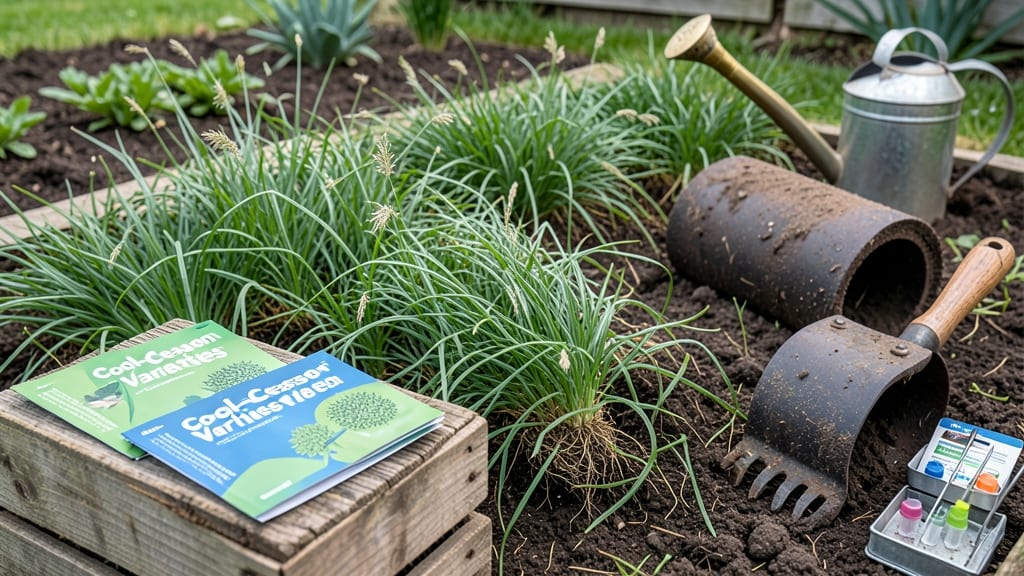
Planting grass seed in Nebraska at the right time means the difference between a thick, green lawn and one that struggles to take hold.
Nebraska’s unpredictable spring and fall weather can make timing your grass seed planting a real challenge—but getting it right means the difference between a patchy lawn and a lush, envy-inducing carpet of green.
Cool-season grasses like Kentucky bluegrass and tall fescue thrive when planted in early spring or early fall, but the exact window depends on your region. In USDA Zones 5a-6b, aim for 4-6 weeks before the last frost—typically mid-March to early April—or early September for fall planting.
Below, I’ll break down the best weeks to plant by Nebraska’s climate zones, how to prep your soil, and what to watch for if your timing is off.
Best weeks before frost for planting grass seed in Nebraska (by region)
Nebraska’s three distinct climate zones—Panhandle, Central, and Eastern—create wildly different conditions for planting cool-season grasses. The key to success? Planting 4-6 weeks before frost when soil temps hit 50-65°F and weeds are still manageable.
In my experience, timing grass seed right means the difference between a thin, patchy lawn and a dense, green carpet that survives Nebraska’s harsh winters.
Cool-season grasses like Kentucky bluegrass, tall fescue, and fine fescue thrive when planted in early fall or spring. Fall planting gives seeds time to establish roots before winter, while spring planting avoids summer drought stress.
But Nebraska’s frost dates vary by 3-4 weeks across regions, so let’s break it down by zone to pinpoint your perfect planting window.
⚠️ CRITICAL NOTE: Always check your local USDA Hardiness Zone (5a-6b in Nebraska) and monitor soil temperatures—a soil thermometer is your best friend. Planting too early in cold soil can delay germination, while waiting too late risks weed competition or early frost damage.
For the Panhandle, where winters are colder and summers drier, aim for late September planting. This gives seeds time to germinate before the first frost hits around October 20.
I’ve seen tall fescue thrive here because it’s drought-tolerant and handles the region’s low humidity better than Kentucky bluegrass.
In Central Nebraska, the window is slightly wider—September 1-30—because the climate is more moderate. This is prime time for Kentucky bluegrass, which loves the region’s richer soils.
Pro tip: If you plant in early September, keep an eye on rainfall. Central Nebraska can get unpredictable showers, and too much rain can wash seeds away.
Eastern Nebraska’s warmer, wetter climate allows for an earlier start—late August. This region’s fine fescue varieties do well here because they handle shadier conditions better than other grasses. Just be cautious of fungal diseases like brown patch, which thrives in the area’s high humidity.
Spring planting is a backup option, but it’s riskier. Seed 4-6 weeks after last frost (typically mid-April in most regions) when soil temps are consistently above 50°F. The downside? Weed competition is fierce in spring, and summer drought can stress young seedlings.
I’ve had better luck with fall planting, but spring works if you’re dealing with bare spots after winter damage.
One mistake I’ve seen Nebraska gardeners make is planting too close to frost. If you’re in the Eastern region and plant in mid-September, you might get early frost before seeds germinate.
Always check the 10-day forecast and have a row cover ready to protect young seedlings if temps drop unexpectedly.
Finally, don’t overlook soil preparation. Nebraska’s soils range from clay-heavy in the east to sandy in the west, both of which need amendments like compost or peat moss to improve drainage and fertility.
A simple soil test (available through UNL Extension) can tell you if you need to adjust pH levels—most grasses prefer 6.0-7.0.
Timing your grass seed planting isn’t just about the calendar—it’s about
How to prepare Nebraska soil for grass seed success (step-by-step)
Preparing your Nebraska soil for grass seed is half the battle—especially when dealing with clay-heavy soils in the east or sandy soils in the west. The right prep ensures your seed germinates quickly and establishes strong roots before Nebraska’s unpredictable weather strikes.
I’ve learned the hard way that skipping this step leads to patchy, weak lawns that struggle to compete with weeds.
Start by testing your soil pH—ideal levels for most Nebraska grasses (like Kentucky bluegrass or tall fescue) sit between 6.0 and 7.0.
You can grab a DIY test kit from your local garden center or send a sample to the University of Nebraska-Lincoln Extension for a detailed analysis.
If your soil is too acidic (below 6.0), add pelletized lime; if it’s alkaline (above 7.0), work in sulfur or peat moss.
Next, tackle weed control before planting. Nebraska’s dry spells can leave dormant weed seeds just waiting for a chance to sprout alongside your grass.
Apply a pre-emergent herbicide like pendimethalin 2–4 weeks before seeding, or opt for a natural approach with corn gluten meal, which also acts as a mild fertilizer. Just avoid post-emergent herbicides—they’ll kill your new grass too!
🌱 Step-by-Step Soil Prep for Nebraska Grass Seed
- Step 1: Test Soil pH
- Step 2: Till Soil 3–4 Inches Deep
- Step 3: Remove Debris & Weeds
- Step 4: Add Organic Amendments
- Step 5: Level & Compact
- Step 6: Apply Starter Fertilizer
Step 2: Till to 3–4 inches—deeper for clay, shallower for sandy soils.
Step 3: Rake out rocks, roots, and weeds; Nebraska’s wind can blow debris back in!
Step 4: Mix in 2–3 inches of compost or aged manure for nutrients.
Step 5: Level with a rake, then lightly compact with a roller to ensure seed-to-soil contact.
Step 6: Sprinkle starter fertilizer (high in phosphorus) at ½ lb per 100 sqft.
Avoid the temptation to over-till—Nebraska’s topsoil is often compacted, but tilling too deep (more than 4 inches) can bring up subsoil that’s nutrient-poor and clay-heavy. Instead, focus on breaking up clods and creating a fine, crumbly texture.
For sandy soils (common in the Panhandle), add peat moss or compost to improve water retention.
After tilling, spread a ¼-inch layer of compost or well-rotted manure over the area. This adds organic matter, improves moisture retention, and provides slow-release nutrients. For clay soils, mix in sand or perlite to loosen the texture—just don’t overdo it, or you’ll create drainage issues.
Once amended, lightly rake the surface to create a smooth, seed-friendly bed.
Finally, apply a light layer of starter fertilizer (look for a high-phosphorus blend like 10-20-10) to jumpstart root growth. Water gently to settle the fertilizer into the soil, then you’re ready to plant!
Remember, Nebraska’s spring droughts can dry out seed quickly, so keep the soil consistently moist (not soggy) until germination.