
Plants
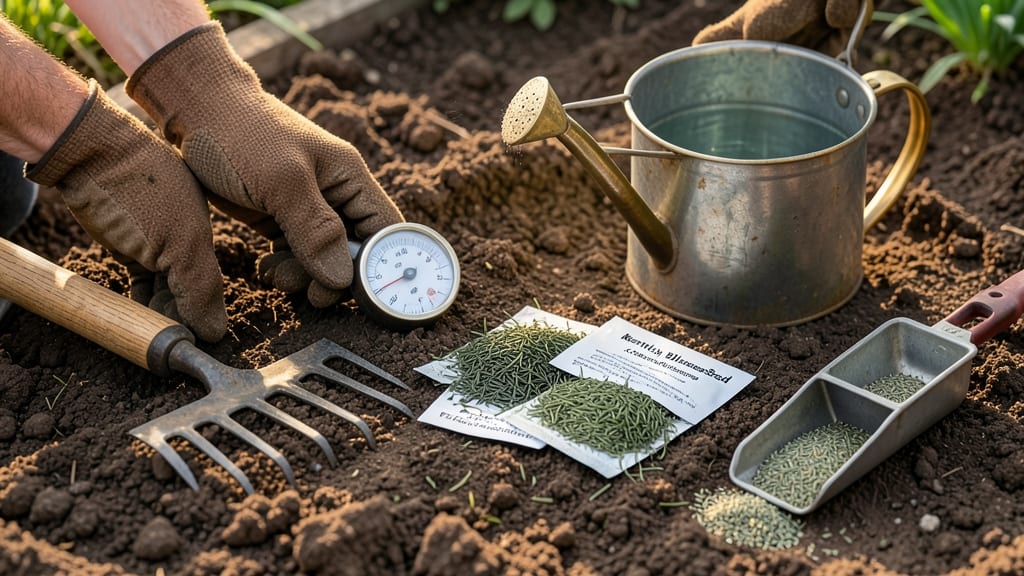
Planting grass seed in the spring at the right time ensures strong root growth and a vibrant lawn, but the perfect window depends on your USDA zone and grass type.
Timing your grass seed planting in spring can mean the difference between a lush, green lawn and weeks of patchy growth—or even failure. But with USDA planting zones ranging from 3 to 11, when exactly should you start?
In Zone 6a, like many northern regions, early spring is ideal—4 to 6 weeks before your last frost, typically by mid-March. This gives seeds time to germinate before summer heat arrives, but planting too early risks frost damage.
Below, I’ll break down the best planting windows by zone, soil prep tips, and watering tricks to help your grass take root fast and stay healthy all season.
Spring grass seed planting by USDA Zone: exact weeks for optimal germination
Getting your grass seed in the ground at the right time is everything—especially when you’re dealing with USDA zones 3 through 11. Cool-season grasses like tall fescue and Kentucky bluegrass thrive in early spring, while warm-season types like Bermuda and Zoysia need to wait until soil warms.
But how do you know the exact weeks to plant? Let’s break it down by zone so you can time it perfectly.
Most gardeners aim to plant 4-6 weeks before the last frost for cool-season grasses, but this varies wildly depending on whether you’re in Zone 3 (Alaska, northern Canada) or Zone 11 (Florida, Hawaii).
In colder zones, you might start as early as late February, while in warmer zones, late spring is ideal. The key is soil temperature—cool-season grasses germinate best at 50-65°F, while warm-season types need 70-75°F or higher.
🌱 Note: If you’re in a transitional zone (like Zone 7), you might plant cool-season grasses in early spring and warm-season types in late spring for two distinct lawns.
| USDA Zone | Best Planting Window | Grass Type | Soil Temp Threshold | Key Adjustments |
|---|---|---|---|---|
| Zones 3-5 | Late February to early April | Cool-season (Fescue, Bluegrass) | 50-65°F | Avoid planting if frost is forecasted within 2 weeks. |
| Zones 6-7 | Early March to mid-April | Cool-season (Ryegrass, Fescue) | 55-65°F | Use a frost cloth if late frosts are expected. |
| Zones 8-9 | Mid-March to late April | Cool-season (Tall Fescue) or Warm-season (Bermuda) | 50-70°F (cool) / 70-75°F (warm) | Warm-season grasses should be planted after Memorial Day. |
| Zones 10-11 | Late April to early June | Warm-season (Zoysia, St. Augustine) | 70-85°F | Avoid planting during monsoon season (heavy rains). |
In Zones 3-5, where winters are harsh, I always plant cool-season grasses as soon as the ground is workable—typically by late February. The goal is to give seeds time to germinate before summer heat sets in.
If you’re in Zone 4, like I am, don’t wait until April—you’ll miss the window for strong root establishment before the heat of July arrives.
For Zones 6-7, early March is ideal, but timing can shift based on last frost dates. Check your local National Weather Service forecast and aim to plant 4-6 weeks out.
If you’re in a microclimate (like a valley or hillside), you might need to adjust by a week or two—warmer spots can handle earlier planting.
Southern gardeners in Zones 8-11 have more flexibility, but warm-season grasses like Bermuda and Zoysia need to wait until soil temperatures consistently hit 70°F or above.
In Zone 9, that’s usually late April to early May, while Zone 11 can stretch planting into June—but only if you’re prepared for intense summer heat and drought conditions.
Pro tip: Use a soil thermometer to confirm temperatures. If your soil is still below 50°F, hold off—cool-season seeds won’t germinate properly. And if you’re planting warm-season grasses too early, the seeds will rot before they sprout. Patience is key! 🌡️
One mistake I see often is planting cool-season grasses in late spring because the weather is "nice." But by May or June, the heat and drought stress can kill young seedlings before they take root.
If you miss the early spring window, consider fall planting instead—it’s the second-best time for cool-season grasses.
Finally, don’t forget to water consistently after planting. New grass needs 1-1.5 inches of water per week for the first few weeks to keep soil moist but not soggy.
A sprinkler on a timer makes this easier, especially if you’re dealing with hot, dry spells in late spring. Deep watering in the morning is always best to reduce evaporation and
5 Critical factors that determine the best planting time for your lawn
Planting grass seed in spring isn't just about following a calendar—it's about understanding your local microclimate and grass type. Cool-season grasses like Kentucky bluegrass thrive when soil temps hit 50-55°F, while warm-season Bermuda grass waits for 65-75°F.
Ignoring these factors can leave you with slow germination or seed washout from spring rains.
Your USDA zone sets the baseline, but frost risk and rainfall patterns often override generic charts. For example, Zone 5 may see frost in May, while Zone 8 might still have chilly nights.
Local weather trends—like your area's average last frost date—should dictate your planting window more than a national guide.
Here’s how to adjust your timing based on these 5 critical factors to maximize germination and establish a resilient lawn:
🌱 Numbered Highlights: Spring Planting Factors
- Soil Temperature: Plant cool-season grass when soil is 50-55°F (use a soil thermometer!). Warm-season grass needs 65-75°F—wait for summer heat to arrive.
- Frost Risk: Avoid planting 4-6 weeks before your last frost. Seeds won’t germinate below 40°F, and frost can kill young sprouts.
- Rainfall Patterns: Schedule planting during dry spells to prevent seed erosion. If rain is forecast, use starter fertilizer to help seeds establish faster.
- Grass Type: Cool-season grasses (e.g., fescue) thrive in early spring. Warm-season grasses (e.g., Zoysia) wait for late spring/early summer.
- Microclimates: South-facing slopes warm faster than shaded areas. Adjust planting by 1-2 weeks earlier for sunny spots, later for shady or low-lying zones.
Let’s say you’re in Zone 6a with a last frost date of April 15. If you plant tall fescue (cool-season) in early March, your seeds may germinate too early and get fried by summer heat.
Instead, aim for late March to early April, when soil temps are ideal and frost risk drops.
For warm-season grasses like centipede grass, push planting to May or June—even if it means a summer lawn. These grasses go dormant in winter, so early planting can lead to weak roots and winter kill. Use a soil thermometer to confirm temps before seeding.
Don’t forget local rainfall trends. If your area gets heavy rains in April, schedule planting for a dry week or use erosion control blankets to protect seeds. In drought-prone zones, opt for drought-resistant varieties like Buffalo grass and plant when morning dew is present.
Finally, observe your yard’s microclimates. A south-facing hillside may be ready to plant 2 weeks earlier than a north-facing valley. Test soil temps in both spots—if one area hits 55°F while another is still 45°F, adjust your timing accordingly.
A little extra effort here ensures even germination across your entire lawn. 🌱