
Plants
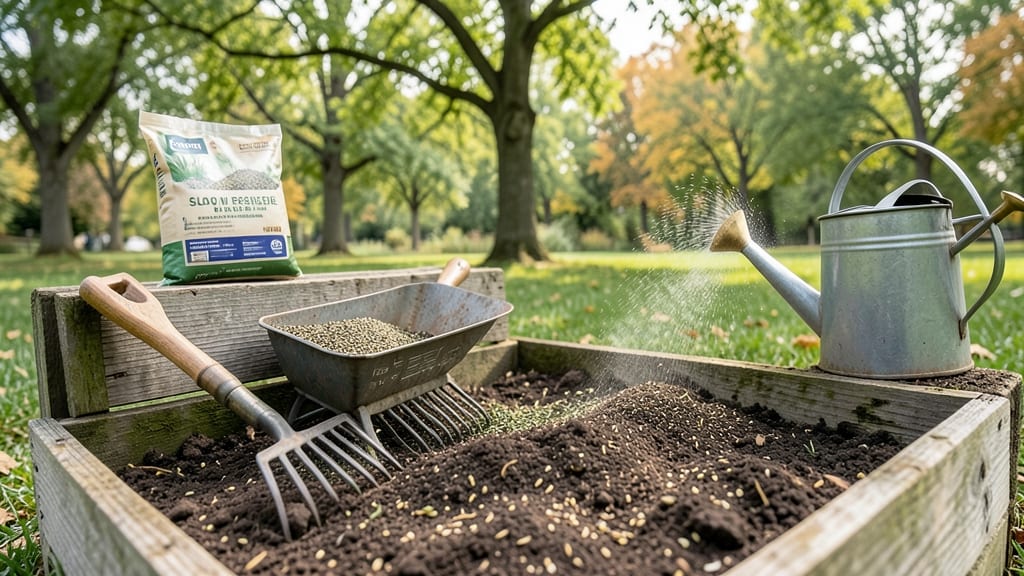
Planting grass seed in Nebraska’s spring means waiting until soil temperatures hit 50°F—about 4-6 weeks after the last frost, typically mid-April for most regions.
Timing your grass seed planting in Nebraska’s unpredictable spring climate can mean the difference between a lush lawn and wasted effort. Too early, and a late frost will bury your seeds. Too late, and summer heat stresses germination before roots establish.
Nebraska’s USDA Zones 5a-6b give you a 60-day window between frost-free soil and peak summer heat. Cool-season grasses like Kentucky bluegrass thrive in this range, while warm-season varieties (like buffalo grass) prefer soil above 65°F—so choose your seed type wisely.
Below, I break down the exact soil temperature checklist, regional adjustments for Eastern vs. Western Nebraska, and the 3 critical steps to ensure fast, even germination—no guesswork, just results.
Nebraska’s ideal soil temperature range for spring grass seed germination
Nebraska’s spring climate presents a critical window for planting grass seed, where soil temperatures between 50°F and 65°F trigger optimal germination. This range ensures cool-season grasses like Kentucky bluegrass and tall fescue sprout quickly, while warm-season varieties like Bermuda grass wait for warmer conditions.
Missing this window risks slow growth or seed loss due to frost heave or drought stress.
Eastern Nebraska’s humid continental climate typically warms faster than Western Nebraska’s semi-arid regions, creating regional planting windows. For example, Lincoln’s average last frost date is April 15, while Scottsbluff’s is May 1. Always check your local USDA Plant Hardiness Zone (4a–5b) to align planting with soil temperature trends.
Here’s the science behind Nebraska’s ideal soil temps: seeds require consistent moisture and warmth to activate enzymes that break down seed coats. Below 50°F, germination stalls; above 65°F, moisture evaporates too quickly.
Use a soil thermometer to monitor temps at 2-inch depth, the zone where seeds typically germinate.
| Grass Type | Optimal Soil Temp (°F) | Best Planting Window | Regional Note |
|---|---|---|---|
| Cool-Season Grasses | 50°F–60°F | Early April–Mid-May | Eastern NE: March 20–April 15 |
| Warm-Season Grasses | 60°F–65°F | Late May–June | Western NE: April 30–May 15 |
| Kentucky Bluegrass | 55°F–60°F | April 1–May 10 | Avoid planting before frost |
| Tall Fescue | 50°F–58°F | March 25–April 30 | Drought-tolerant; plant early |
Cool-season grasses dominate Nebraska lawns because they thrive in moderate spring temps and stay green through fall. Kentucky bluegrass, for example, germinates best at 55°F–60°F, making early April the sweet spot in most of the state.
Meanwhile, tall fescue, a drought-resistant favorite, can handle slightly cooler soils (50°F–58°F) and is often planted as early as late March in Eastern Nebraska.
Western Nebraska’s drier climate delays soil warming, so wait until soil hits 55°F before planting cool-season grasses. Use a clear plastic mulch to warm soil faster if you’re eager to plant earlier.
For warm-season grasses like Bermuda grass, hold off until late May when soil temps consistently exceed 65°F—planting earlier risks seed desiccation.
Frost dates are your planting deadline. In Nebraska, the average last frost ranges from April 1 in Eastern zones to May 1 in Western zones. Planting 4–6 weeks after the last frost ensures seeds germinate before summer heat arrives.
For example, if your frost date is April 15, aim for a May 1 planting to avoid stress from fluctuating temps.
Microclimates matter! South-facing slopes warm faster than shaded areas, so adjust your planting timeline accordingly. Test soil temps at 2-inch depth for 3–5 days to confirm consistency. If temps dip below 45°F at night, cover seeds with straw mulch to protect them until daytime warmth returns.
Pro tip: Pre-warm your soil by tilling in compost or black plastic mulch 2–3 weeks before planting. This raises soil temps by 5–10°F, accelerating germination. Pair this with consistent moisture—keep soil damp but not soggy—to create the perfect environment for seedling emergence.
Remember, Nebraska’s clay-heavy soils retain moisture longer but can compact easily. Amend with sand or peat moss to improve drainage and aeration. This ensures roots establish quickly, giving your lawn a head start against summer drought.
By aligning your planting with soil temperature science and regional frost trends, you’ll transform Nebraska’s unpredictable spring into your lawn’s best growing season. 🌱
Step-by-step checklist: when to plant grass seed in Nebraska’s spring
Nebraska’s spring weather can be unpredictable, but knowing the exact soil temperature window for grass seed germination is key to success. Cool-season grasses like Kentucky bluegrass need soil temps between 50°F–65°F, while warm-season varieties like buffalo grass prefer 65°F+.
Timing is everything—plant too early, and frost will kill your seeds; too late, and summer heat will stress germination.
To simplify, I’ve created a step-by-step checklist tailored to Nebraska’s USDA Zones 4a–5b, including adjustments for Eastern vs. Western regions. This ensures you plant at the optimal time for fast, even growth—no guesswork involved.
Use April 15 as your baseline for most of Nebraska, but verify your local frost-free date (Eastern NE may be 1–2 weeks earlier than Western NE).
Soil should reach 50°F+ at 4-inch depth. Test with a soil thermometer—cool-season grasses need this window to germinate reliably.
Rake to 1/4-inch depth, remove debris, and loosen compacted areas. For clay-heavy soils, add compost or sand to improve drainage.
Eastern NE: Aim for late April. Western NE: early May is safer due to drier conditions. Warm-season grasses can wait until late May–June.
Keep soil consistently moist (1/4-inch deep) until germination. Use a sprinkler for even coverage—avoid overhead watering at night to prevent disease.
Adjust your timeline if Nebraska’s spring throws curveballs. For example, if unseasonably warm weather hits in March, monitor soil temps—planting 2–3 weeks early (after a confirmed frost-free stretch) can work for cool-season grasses. Conversely, if frost lingers past May 1, switch to fall seeding (September) for better success.
Pro tip: Use a seed starter fertilizer (low nitrogen) at planting to boost early root growth. Once your grass reaches 3–4 inches tall, switch to a balanced lawn fertilizer (10-10-10) to encourage thick, resilient turf.
By following this checklist, you’ll avoid the 3 biggest Nebraska grass-seeding mistakes: planting too early (frost damage), skipping soil prep (poor drainage), or underwatering (slow germination). Your lawn will thank you with fast, even coverage by summer.