
Planting
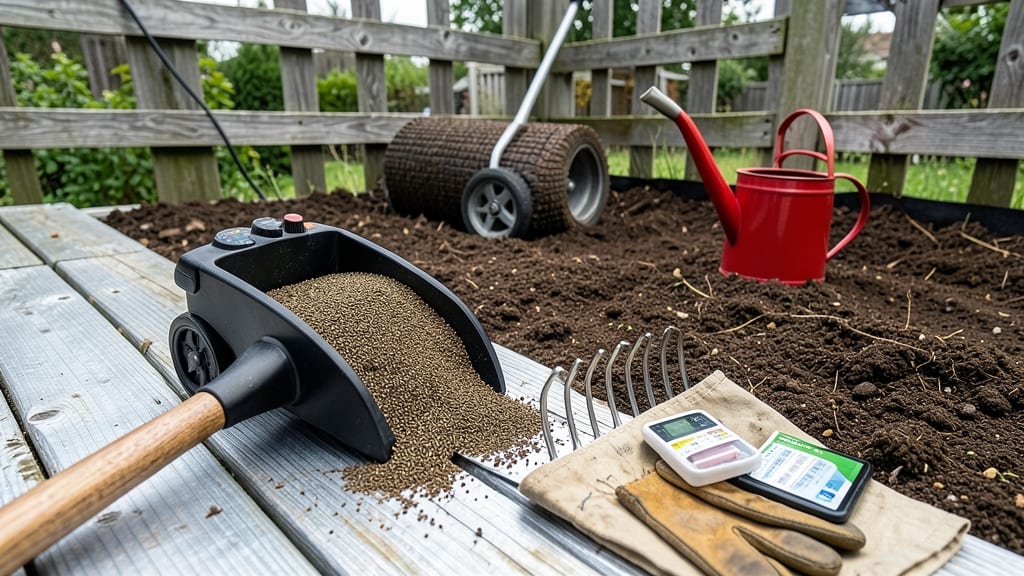
Planting grass seed in Michigan at the right time means the difference between a thick, green lawn and a patchy, weak one struggling to survive.
Michigan’s unpredictable spring and early fall weather can make or break your lawn—planting grass seed at the wrong time means weak roots and wasted effort. Timing isn’t just about the calendar; it’s about soil temperature, frost risk, and regional microclimates.
Get it right, and you’ll have a lush, resilient lawn by next summer.
Most gardeners in USDA zones 5b-6b aim for early spring (March-April) or early fall (August-September), but the real key is waiting until the soil stays above 50°F for at least 4 weeks.
Too early, and frost will kill new sprouts; too late, and summer heat can stress young grass.
Below, I break down the exact planting windows by region, how to test soil temperature like a pro, and the 3 biggest mistakes that sabotage even the best seed. Ready to set your lawn up for success?
Michigan grass seed planting timeline: best months by region (soil temp & frost guides)
Michigan’s diverse climate zones mean your grass seed planting schedule should match your region—not just the calendar. The Upper Peninsula faces cooler soils and later frost dates, while Southern Michigan can start earlier. The golden rule?
Wait until soil temperatures stay above 50°F for 4+ weeks—this ensures strong root growth before frost. Let’s break down the best windows by region so you don’t waste seed or effort.
Spring is the most popular time to plant, but late summer offers a second chance for cooler-climate grasses like fescue. The key difference? Spring planting gives grass 6-8 weeks of growing season before summer heat, while fall planting lets roots establish before winter dormancy.
Both strategies work, but timing varies by 1-2 months across Michigan’s regions.
Here’s how to align your planting with Michigan’s microclimates, including soil temperature thresholds and frost risk:
| Region | Ideal Planting Window | Soil Temp Threshold | Last Frost Date | Key Grass Types |
|---|---|---|---|---|
| Upper Peninsula | Late May–Early June (spring) or Early September (fall) | 55°F+ for 4+ weeks | Mid-May to early June | Tall Fescue, Fine Fescue, Hard Fescue |
| Northern Lower Peninsula | Mid-April–Early May (spring) or Late August (fall) | 50°F+ for 4+ weeks | Late April to early May | Kentucky Bluegrass, Tall Fescue, Perennial Ryegrass |
| Southern Michigan | Early April–Mid-May (spring) or Mid-August (fall) | 50°F+ for 3+ weeks | Mid-April to early May | Kentucky Bluegrass, Fine Fescue, Annual Ryegrass |
For the Upper Peninsula, patience is key—soil warms slowly, and frost lingers until June. Plant Tall Fescue in late May for best results, or opt for fall planting in early September to avoid summer drought stress.
This region’s cooler climate favors cool-season grasses that thrive in shorter growing seasons.
In the Northern Lower Peninsula, aim for Mid-April to Early May when soil hits 50°F consistently. If you miss spring, late August is your second chance.
Mix Kentucky Bluegrass with Perennial Ryegrass for faster germination and drought resistance. Check local frost dates—some years, late May can still see frost, so monitor weather forecasts.
Southern Michigan’s warmer microclimate lets you start 2-3 weeks earlier than northern regions. Plant Early April to Mid-May for spring, or Mid-August for fall. This area’s longer growing season supports Kentucky Bluegrass mixes, but add Fine Fescue for shade tolerance.
Avoid planting after September 15th—new grass won’t establish strong roots before winter.
Pro tip: Use a soil thermometer ($10 at garden centers) to confirm temperatures. Bury it 4 inches deep (where seeds will be) and check daily for 5 consecutive days above your region’s threshold. If temps dip at night, wait—grass seeds need consistent warmth to germinate.
Don’t forget: Late summer planting (August–September) works best for cool-season grasses like fescue. These varieties grow slowly in fall but develop deep roots before winter. Water deeply 2-3 times per week until frost to encourage root growth. A light mulch of straw can protect seeds from drying winds.
Timing your grass seed planting by region ensures your lawn establishes before Michigan’s first hard frost (typically mid-October). Whether you’re in the Upper Peninsula or Southern Michigan, align your schedule with soil temps and frost risk for a thicker, greener lawn next season. 🌱
Soil temperature checklist: how to test and prepare for grass seed success
Before you scatter a single seed, soil temperature is the silent dealmaker or breaker for your Michigan lawn. Grass seed needs consistent warmth—typically 50°F or above—to germinate properly.
In cooler regions like the Upper Peninsula, this means waiting until late May, while southern Michigan can start as early as mid-April. Skipping this step often leads to slow, patchy growth or seed that simply rots in the cold.
Testing your soil temperature is simpler than you think. A soil thermometer (available for under $10) gives precise readings, but you can also use a DIY method: bury a thermometer in a glass jar filled with water at your planting depth for 24 hours.
For most grass types, aim for 50°F for 4+ weeks—this ensures roots establish before summer heat or winter frost hits.
⚠️ callout warning ⚠️
Cold soil (below 50°F) slows germination and invites fungal diseases. Even if your local forecast says "spring has sprung," check the soil temp, not just air temp. In northern Michigan, waiting until late May prevents seed loss. Pro tip: Use a frost date calculator (like NOAA’s) to time planting 4-6 weeks before your area’s last frost.
💡 Michigan-Specific Tip: Southern Michigan (e.g., Detroit) can plant 2-3 weeks earlier than the UP. Always verify with your local USDA zone (5b-6b).
Once your soil hits the sweet spot, prep it like a pro. Loosen the top 2-3 inches of soil with a rake or tiller to create a seed-friendly bed. Remove debris and level the surface—bumps create air pockets that trap moisture and suffocate seeds.
For bare spots, mix compost or starter fertilizer into the soil to boost nutrients. This step is critical for Kentucky Bluegrass and Tall Fescue, which thrive with extra phosphorus for root growth.
Don’t overlook moisture levels—dry soil can kill seeds before they sprout. Water the area 24 hours before planting to simulate ideal conditions, then keep it consistently damp (not soggy) for the first 3 weeks.
A simple trick: Press your finger into the soil—if it feels dry past 1 inch deep, water again. Overhead sprinklers work, but a gentle rain setting prevents seed displacement.
For faster germination, consider a light mulch layer (like straw) after planting. This retains moisture and protects seeds from bird scavengers or sudden temperature swings. Avoid heavy mulch, which can smother seeds.
In Michigan’s variable climate, this extra layer gives your grass a head start against late-spring frosts or early summer droughts.
Finally, monitor your progress with a germination tracker. Most grass seeds sprout in 7-21 days, depending on the type. If you don’t see sprouts within 3 weeks, check for moisture issues or soil compaction.
Adjust your watering schedule or re-level the soil as needed. Patience pays off—a well-timed planting in warm soil leads to thick, resilient grass by summer’s end.