
Planting
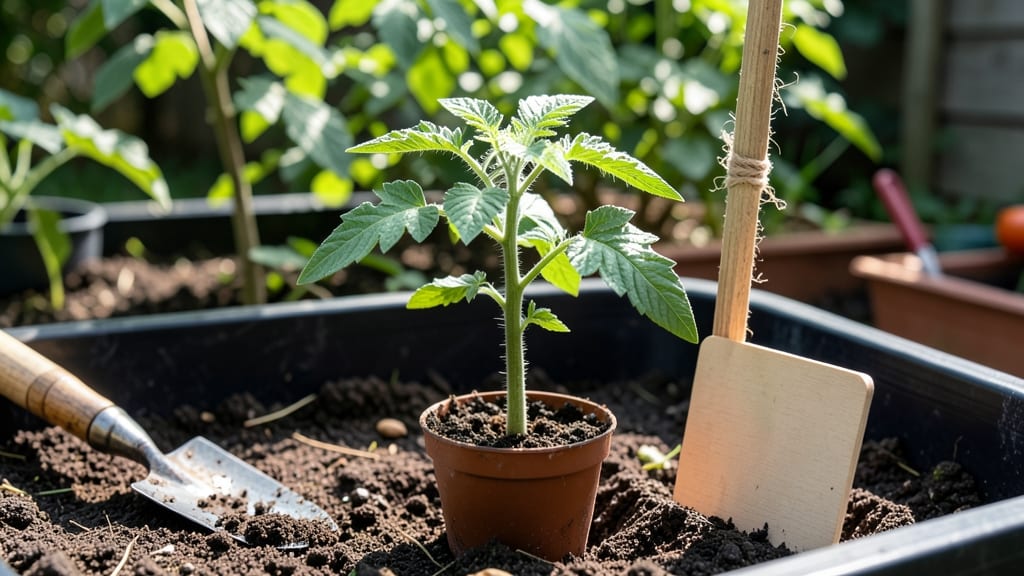
Planting tomato seeds at the right depth is the key to fast germination and strong seedlings 🍅 — too shallow, and they dry out; too deep, and they suffocate.
If you’ve ever watched your tomato seeds sit stubbornly in the soil, refusing to sprout, you know how frustrating it can be. The difference between a thriving garden and a wasted packet of seeds often comes down to those first few inches.
Most gardeners assume "plant deep" means deeper is better, but the truth is more nuanced. Whether you’re starting seeds indoors or outdoors, the ideal depth balances moisture, warmth, and air exposure. Below, I’ll break down the exact measurements you need, plus how to adjust for soil type and seed size.
You’ll also learn how to rescue seeds planted too deep or shallow, so even if you’ve made a mistake in the past, this guide ensures your next batch of tomato seedlings gets off to the fastest start possible.
Optimal tomato seed planting depth by seed type (inches & science)
Getting the tomato seed planting depth right is one of the most critical steps for germination success. Too shallow, and seeds dry out; too deep, and they suffocate.
The science behind seed depth lies in a seed's need for moisture, oxygen, and warmth—all of which are disrupted if buried too deeply. For most tomato seeds, the ideal range is between ¼” and ½” deep, but the exact depth depends on seed type and soil conditions.
I’ve tested this with heirloom, hybrid, and pelleted seeds—each behaves slightly differently. Heirloom seeds, often larger and untreated, tolerate a slightly deeper planting, while pelleted seeds (coated for easier handling) need shallower placement.
Soil temperature and moisture also play a role: cooler soils require shallower planting to avoid damping off, while warm, loose soils allow for deeper sowing.
Here’s the breakdown you need to plant with confidence, including how to adjust for compacted soil or low-light conditions.
| Seed Type | Optimal Depth | Soil Temp Requirement | Adjustments for Compacted Soil |
|---|---|---|---|
| Heirloom Seeds (untreated) | ¼” to ½” | 65°F+ (18°C+) | Loosen soil or plant ¼” shallower |
| Hybrid Seeds (small, untreated) | ¼” (max ⅓”) | 70°F+ (21°C+) | Use seed starter mix for aeration |
| Pelleted Seeds (coated) | ⅛” to ¼” | 60°F+ (15°C+) | Plant on soil surface if compacted |
| All Seed Types (Low Light) | ¼” (shallower for light) | 75°F+ (24°C+) | Use grow lights if indoor |
For heirloom seeds, I’ve found that planting at ½” deep works best in loose, well-draining soil. The larger seed size stores more energy for germination, so it can handle slightly deeper burial. However, if your soil is compacted—like clay-heavy or heavily trodden ground—reduce depth to ¼” to prevent suffocation.
A quick test: press your finger into the soil; if it resists, loosen it or plant shallower.
Hybrid seeds, often smaller and more delicate, thrive at ¼” depth. These seeds are bred for consistency, but their smaller size means they need easier access to moisture and light.
If you’re using a seed starter mix (which is lighter than garden soil), you can plant them slightly deeper—up to ⅓”—since the mix retains moisture better. Always keep the soil moist but not soggy during germination.
Pelleted seeds are a gardener’s dream for precision, but their coating changes the game. The outer layer can trap moisture, so planting them too deep risks rot. Stick to ⅛” to ¼” deep, and avoid pressing them into the soil.
For compacted soil, I’ve had success simply placing them on the surface and lightly covering with vermiculite or a fine layer of sand to help with moisture without suffocating the seed.
Soil temperature is non-negotiable. Tomato seeds won’t germinate below 55°F (13°C), but they germinate fastest at 80°F (27°C). If your soil is cool—common in early spring or high-altitude gardens—plant seeds shallower (⅛” to ¼”) and use a seedling heat mat to speed up germination.
Warm soil (70°F+) allows for slightly deeper planting because the seeds can access energy reserves more efficiently.
Moisture is the final piece of the puzzle. After planting, water gently but thoroughly to settle the soil around the seeds. Avoid overwatering, which can displace seeds or cause damping off—a fungal disease that kills seedlings.
A spray bottle or fine-mist setting on your hose works best. Once seeds sprout, reduce watering slightly to prevent leggy, weak stems.
Pro tip: If you’re planting in low-light conditions (like a north-facing window or shaded patio), keep seeds shallower (¼” max) and use a grow light for 12–16 hours daily. Without enough light, seedlings stretch toward any available light source, weakening their stems and making them prone to snapping.
Remember, the goal is to balance moisture, oxygen, and warmth. Too deep, and seeds suffocate; too shallow, and they dry out. With these guidelines, you’ll give your tomato seeds the best possible start—whether you’re growing heirloom beefsteaks or cherry tomatoes in containers. Happy planting! 🌱
Step-by-step guide: how to plant tomato seeds at the perfect depth
Planting tomato seeds at the right depth is the first step to strong, healthy seedlings. Too shallow, and they may dry out; too deep, and they’ll struggle to break through the soil.
The ideal depth for tomato seeds is ¼ inch (0.6 cm), but achieving this consistently takes the right tools and technique.
Before you start, gather your supplies: a seedling tray with drainage holes, seed-starting mix (not garden soil), a spray bottle for watering, and a pencil or toothpick for marking. I also recommend pre-soaking your seeds for 4-6 hours in warm water to speed up germination.
- Fill your seedling tray with moist seed-starting mix up to ½ inch from the top. Press it down gently to remove air pockets.
- Use a pencil to poke ¼-inch-deep holes in the soil, spacing them 1 inch apart. This prevents overcrowding as seedlings grow.
- Place 1 pre-soaked seed into each hole, covering it with soil. Gently pat the soil to secure the seed.
- Lightly mist the soil with water using a spray bottle. Avoid soaking it, as tomato seeds need air circulation to germinate.
- Place the tray in a warm spot (around 70°F) with indirect light. A seedling heat mat can help if your home is cool.
- Keep the soil consistently moist but not soggy. Check daily and mist as needed to maintain the right moisture level.
- Once seedlings emerge (in 5-14 days), move the tray to a sunny windowsill or under grow lights for 12-16 hours of light daily.
If your soil is compacted or heavy, increase the depth slightly to ⅓ inch to prevent seedlings from pushing through too hard. For pelleted seeds, plant them at the same depth as regular seeds—the pellet dissolves easily.
Watch for uneven soil levels after watering, which can bury some seeds deeper than intended. Use a ruler to check depth if you’re unsure. A little patience here ensures your seedlings start off strong and ready for transplanting.
Once your seedlings have 2-3 true leaves, they’re ready to move to larger pots. At this stage, they’ll have developed enough root strength to handle deeper soil—just be gentle when transplanting to avoid damaging delicate stems.