
Plants
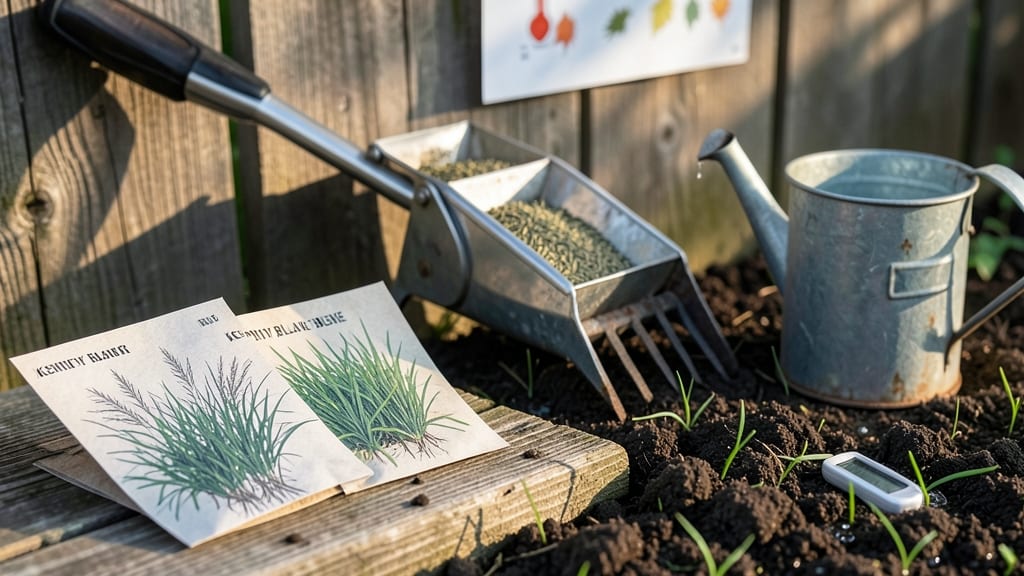
Planting grass seed in Massachusetts too late risks weak roots, frost damage, and a patchy lawn next year — the USDA Zone 5B deadline is tighter than you think.
You’ve got three weeks between the last ideal window and the point where germination becomes a gamble. Skip the guesswork: I’ll show you the exact dates, how to tell if your soil is ready, and the one trick that buys you an extra week of success.
Cool-season grass needs 6-8 weeks to establish roots before winter sets in. In Massachusetts, that means planting no later than mid-September — after that, frost, heat stress, and poor soil conditions turn your seed into a money pit.
Here’s what you’ll learn: the science-backed deadline for your region, how to prep soil for late planting, and what to do if you’ve already missed the window (spoiler: it’s not all lost).
Massachusetts grass seed planting deadline: USDA Zone 5B timeline for fall success
In USDA Zone 5B, Massachusetts’ cool-season grass thrives when planted between mid-August and mid-October. But timing isn’t just about dates—it’s about soil temperature and frost risk. Plant too late, and your grass may struggle to establish roots before winter, leaving you with patchy growth next spring.
Let’s break down the science behind the deadline to help you decide if your fall planting window is still open.
The ideal planting window in Massachusetts runs from late August to early October. This gives grass seeds 4-6 weeks to germinate and develop a 3-inch root system before the first frost.
Soil temperatures should stay above 50°F (10°C) for optimal germination, but once they drop below 40°F (4°C), seedling growth slows dramatically. Knowing your exact cutoff date depends on your local microclimate.
🌱 Comparison: Ideal vs. Late Grass Seed Planting in Massachusetts
| Planting Window | Soil Temp | Root Growth | Frost Risk | Outcome |
|---|---|---|---|---|
| Late August - Early October | 50°F+ (10°C+) | 3+ inches by frost | Low (4-6 weeks before frost) | ✅ Strong establishment, full coverage next spring |
| Mid-October - Early November | 40-50°F (4-10°C) | 1-2 inches before frost | High (2-4 weeks before frost) | ⚠️ Weak roots, patchy growth, winter kill risk |
| Late November or Later | Below 40°F (4°C) | Minimal growth | Very High (frost imminent) | ❌ Failed germination, wasted seed |
*Based on average USDA Zone 5B frost dates (mid-October to early November). Check your local National Weather Service for precise dates.
Your last safe planting date depends on when your area typically hits first frost. In western Massachusetts (e.g., Worcester, Springfield), frost often arrives by October 15, giving you a cutoff around mid-September.
Eastern regions (Boston, Cape Cod) may extend until late October due to coastal moderation. Always verify with your local cooperative extension service for hyper-local data.
If you’re planting in late September or October, prioritize fast-germinating varieties like annual ryegrass or tall fescue. These can establish roots faster than slower-growing types like Kentucky bluegrass.
Pair your seeds with a starter fertilizer (high in phosphorus) to boost early root development. Mulch lightly with straw to insulate seeds from temperature swings and retain moisture.
Soil temperature is your most critical factor. Use a soil thermometer to check depths of 2-4 inches—ideal temps hover around 60-70°F (15-21°C). If readings dip below 50°F (10°C) consistently, germination slows to a crawl.
In Zone 5B, this usually happens by mid-October, making late October plantings a gamble unless you’re using winter-hardy mixes.
Even if you plant near the deadline, consistent moisture becomes non-negotiable. New seedlings need 1-1.5 inches of water weekly to prevent drying out. Use a sprinkler with gentle mist to avoid dislodging seeds.
In late fall, watering may feel counterintuitive—resist the urge to skip it. Dormant soil holds moisture longer, but young roots still need hydration to survive frost.
Watch for frost warnings in the forecast. If a hard freeze (28°F/-2°C or below) is expected within 10 days of planting, your seeds may not survive. In this case, consider overseeding in spring or switching to sod for instant coverage.
The last viable window for grass seed in Massachusetts is typically October 1-15, but this shifts yearly based on weather patterns.
Protect your investment with winter mulch if planting late. Apply 2-3 inches of straw over seeded areas to shield seeds from freeze-thaw cycles and wind. Remove it in early spring to allow sunlight to reach new growth.
This simple step can mean the difference between 50% and 90% germination success in marginal planting conditions.
Remember: grass seed planted in late fall won’t establish a full lawn overnight. Even with perfect timing
Signs your late grass seed planting will fail (and how to fix it)
If your grass seed isn’t sprouting within 14 days, you’re likely planting too late. In Massachusetts’ USDA Zone 5B, soil temperatures drop below 50°F (10°C) by late September—below the minimum 50°F needed for germination. Without this warmth, seeds stay dormant, and your investment goes to waste.
Another red flag: uneven sprouts or thin patches after 3 weeks. This signals poor soil contact, competition from weeds, or seeds exhausted from waiting too long. Even if sprouts appear, they’ll struggle to develop deep roots before winter, leaving your lawn vulnerable to frost heave and winter kill.
🌱
⚠️ Late Planting Warning: Massachusetts Deadline
After October 1st, your grass seed faces 90% failure risk in MA due to:
- Soil temps <50°F → seeds won’t sprout
- Frost risk → new roots can’t establish
- Weed competition → outgrows weak grass
Fix it: Mulch with straw (¼ inch) to insulate seeds, or switch to spring overseeding for a guaranteed lawn.
Check your soil’s readiness with a soil thermometer. If it’s below 50°F, delay planting—even by a week. Cool-season grasses like Kentucky bluegrass and tall fescue need 6-8 weeks to establish roots. Planting after mid-September leaves them with only 4-6 weeks before winter, cutting their survival chances in half.
Frost damage is the final nail in the coffin. If you see white, mushy patches after the first hard freeze, your seeds never developed strong root systems. Even if some grass survives, it’ll be thin and weak, leaving gaps for weeds.
The solution? Winter mulch with straw or leaves (2-3 inches) to protect sprouts until spring.
For true emergencies, consider spring overseeding instead. While it requires patience, it guarantees full coverage by summer. Start prepping soil in early March—amend with compost, level the area, and plant 4-6 weeks before last frost (typically mid-April in MA).
🌿