
Plants
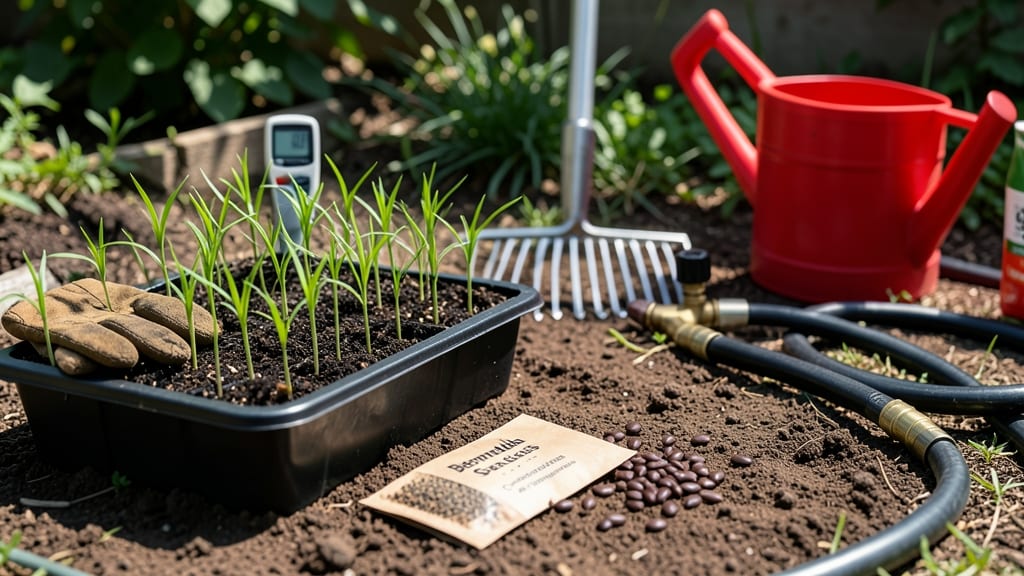
Planting Bermuda grass seed in Georgia at the right time means the difference between a thick, drought-resistant lawn and a patchy, struggling mess.
You’ve probably heard that “spring” is the season to plant, but in Georgia’s 7a-8b zones, timing is everything—soil temperature matters more than the calendar. Too early, and your seed sits dormant; too late, and summer heat zaps germination before it starts.
Below, I break down the exact soil temperature deadlines by region (Atlanta vs. Savannah), how to test your soil without a fancy thermometer, and the 3-step prep that keeps weeds from stealing your seed’s nutrients.
Skip the guesswork: learn when to plant, how deep to go, and the one common mistake that kills 80% of Georgia lawns before they even take root.
Georgia Bermuda grass planting deadlines by soil temperature (not calendar date)
Georgia’s warm climate makes Bermuda grass a popular choice for lawns, but timing your planting based on soil temperature—not just the calendar—is critical for success. Unlike cool-season grasses, Bermuda thrives when the ground stays consistently warm, ideally above 56°F for at least 4 weeks.
Planting too early can lead to poor germination, while waiting too long risks summer drought stress. Let’s break down the exact soil temperature deadlines for Georgia’s 7 zones, including regional variations like Atlanta’s urban heat vs. Savannah’s coastal humidity.
Most Georgia gardeners focus on calendar dates (like Memorial Day), but soil temperature tells the real story. For example, Atlanta (Zone 7b-8a) might hit 56°F by late April, while Savannah (Zone 8a-8b) could be ready by mid-March.
The key is monitoring soil temps at 4-inch depth, where seeds germinate. Use a soil thermometer ($10 at garden centers) to check daily—this simple tool prevents costly mistakes.
Here’s your Georgia Bermuda grass planting timeline by zone, based on soil temperature thresholds. Bookmark this—it’s your roadmap to a lush lawn!
If your soil temperature hasn’t reached the threshold by the calendar deadline in your zone, don’t panic. Bermuda grass seed can wait—just keep the soil moist and monitor temps weekly.
For example, if you’re in Zone 7b (Atlanta) and soil temps linger below 56°F past May 15, delay planting until late May or early June. Patience here saves you from seed rot or slow germination.
Pro tip: Use a clear plastic wrap trick to warm cold soil faster. Lay black plastic sheeting over the seedbed for 3–5 days before planting to raise soil temps by 5–10°F.
Remove it right before sowing to avoid overheating seeds. This works especially well for northern Georgia zones (7a) where springs can be unpredictable.
Adjust your planting timeline if Georgia’s weather throws curveballs. For instance, heavy rains in April can delay soil warming—wait until the ground dries enough to work without clumping. Conversely, drought conditions (common in May) mean you’ll need to irrigate daily after planting to keep soil moist until germination (7–14 days).
Always prioritize soil moisture over strict calendar dates.
For coastal Georgia (Savannah, Brunswick), watch out for fungal diseases like brown patch, which thrive in the humid air. If you plant in Zone 8b during a wet spring, apply a fungicide pre-treatment (like BioAdvanced Fungus Control) to protect seedlings.
In drier inland areas (e.g., Columbus, Macon), focus on mulching with straw to retain moisture.
Remember: Bermuda grass seed won’t germinate below 65°F, even if the air is warm. Test soil temps at 4-inch depth in the late afternoon (when temps peak) for the most accurate reading.
If your thermometer shows 58°F but the forecast calls for 65°F+ in 7–10 days, you can plant early—just be prepared to cover seeds with row fabric at night if frost threatens (rare but possible in Zone 7a).
Once your Bermuda grass is planted, maintain consistent moisture for the first 3 weeks—this is the most critical period for root establishment. Use a rain gauge or tuna can to measure 1 inch of water per week, splitting it into
How to adjust planting time for Georgia’s microclimates and rainfall patterns
Georgia’s diverse microclimates can shift your Bermuda grass planting window by 4-6 weeks. Coastal areas like Savannah stay humid longer, while inland zones like Athens experience hotter, drier conditions faster. Even within cities, urban heat islands can make soil warm enough for planting 2 weeks earlier than rural areas.
Always check a 7-day rainfall forecast—aim for 1-2 inches of rain in the first two weeks after planting to help germination.
Drought-prone regions like Southwest Georgia (e.g., Albany) require extra soil prep to retain moisture. Amend clay-heavy soils with compost or sand to improve drainage while holding water.
If your area faces late spring showers, delay planting until soil temperatures consistently stay above 65°F (18°C)—even if it means waiting until mid-June instead of May.
Here’s how to adjust your planting timeline based on Georgia’s key microclimates:
- 🌧️ Coastal Zones (Savannah, Brunswick): Plant April 15–May 15—humidity helps germination, but watch for fungal diseases if rains linger. Use disease-resistant varieties like Tifway.
- 🏙️ Urban Heat Islands (Atlanta, Macon): Plant May 1–May 31—soil warms faster. Water deeply at dusk to reduce evaporation and stress.
- 🏜️ Drought-Prone Areas (Valdosta, Columbus): Plant June 1–June 15 after rains. Pre-water soil to 6 inches deep before seeding to ensure moisture retention.
- ❄️ Mountain Foothills (Blue Ridge): Plant late May–early June. Soil stays cooler longer—test with a soil thermometer (aim for 65°F+ for 7+ days).
Rainfall patterns are your secret weapon for timing. Check the National Weather Service for late spring forecasts—if heavy rains are predicted, delay planting until after the forecast clears. Early summer (June) often brings consistent, lighter rains, ideal for Bermuda grass establishment.
Pair this with a 3-step seedbed checklist: till 4–6 inches deep, rake to remove clumps, and level the soil to prevent water pooling.
For clay-heavy soils (common in Georgia), mix in 2–3 inches of compost or sand to improve aeration. Test soil pH—Bermuda grass thrives in 6.0–7.0. If your soil is acidic, add lime 2–3 weeks before planting.
Overwatering clay soil can suffocate seeds, so use a moisture meter to ensure soil stays evenly damp, not soggy.
Pro tip: Use a lightweight straw mulch (not hay) to retain moisture without smothering seeds. Remove mulch once seedlings reach 2–3 inches tall. In high-humidity zones, apply a fungicide at planting to prevent damping-off disease.
Adjust your watering schedule—deep, infrequent watering (1–1.5 inches per week) encourages root growth faster than daily light sprinkles.
By aligning your planting with Georgia’s microclimate quirks and rainfall trends, you’ll give your Bermuda grass the best shot at thriving. Start with soil prep, watch the forecast, and plant when conditions are just right—your lawn will thank you with vibrant green growth all summer. 🌱