
Plants
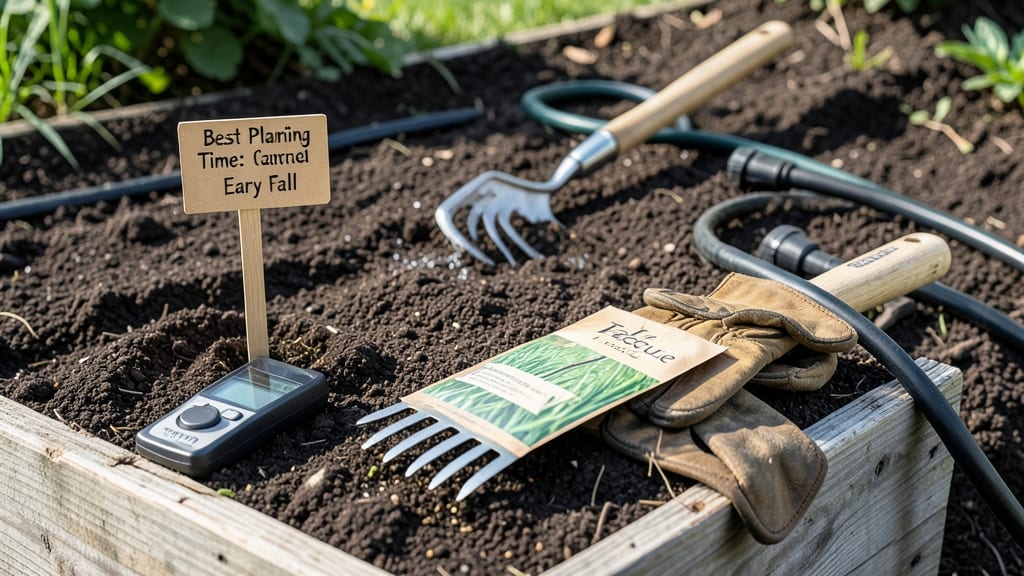
The best time to plant grass seed in Georgia is during early fall 🌱—between August and September—when soil temperatures hover in the ideal 60-75°F range for germination.
Georgia’s hot summers and unpredictable weather can turn grass seeding into a high-stakes gamble—but timing everything right in fall could mean the difference between a patchy lawn and a lush, green carpet by spring.
Why does fall work so well? Cool-season grasses like Tall Fescue and Kentucky Bluegrass thrive when nights dip below 75°F, while warm-season grasses like Bermuda establish deeper roots before winter dormancy.
Here’s what you’ll discover: the exact 3-week window in fall that maximizes success, how to prep your soil for Georgia’s clay-heavy regions, and why a light fertilization in late September sets up next year’s growth.
Why fall is the optimal time to plant grass seed in Georgia (and when exactly)
Georgia’s climate creates a unique challenge for lawn lovers—scorching summers and sudden frost make spring planting risky. But fall offers the perfect balance of mild temperatures and consistent moisture, giving grass seeds the ideal conditions to sprout and establish deep roots before winter.
The key? Understanding your specific climate zone and the three critical fall windows that maximize success.
North Georgia’s USDA Zone 7a (think Blue Ridge Mountains) has cooler nights and earlier frosts, while South Georgia’s Zone 8b (near Savannah) stays warmer longer. These differences create microclimates where timing can shift by weeks. The ideal soil temperature for germination is between 60-75°F—a sweet spot fall delivers naturally.
Here’s the science: Cool fall air reduces seedling stress while warm soil fuels root growth. Unlike spring, fall’s lower evaporation rates mean less water waste, and fewer weeds compete for resources. But missing the window? You risk dormant seeds or frost damage before roots take hold.
The peak fall window (mid-September to early October) works for nearly all of Georgia, offering the sweet spot of 60-70°F soil temperatures. This is when Tall Fescue and Kentucky Bluegrass (cool-season grasses) thrive, establishing roots that can handle winter.
For South Georgia’s warmer microclimates, late October can still work if you choose warm-season grasses like Bermuda.
In North Georgia’s cooler zones, early September is critical—delaying past mid-September risks early frost before seeds germinate. I’ve seen lawns in Dahlonega fail when planted in October because the soil cooled too quickly. Use a soil thermometer to confirm temps are above 60°F before seeding.
Timing isn’t just about dates—it’s about weather patterns. Check the 7-day forecast for consistent rainfall or plan to water daily for 2 weeks. In drought-prone areas like West Georgia, early fall planting gives roots time to reach 4-6 inches deep before summer’s return.
Pro tip: If your lawn already has existing grass, overseeding in early fall fills thin spots without full renovation. For bare soil, late September is ideal—just avoid planting after October 15 in Zone 7a to prevent winter kill.
Remember: Spring planting (March-April) is possible but riskier due to weed competition and heat stress. Fall gives your grass a 6-8 week head start to outcompete weeds and establish before winter dormancy. With the right timing, you’ll wake up to a thicker, greener lawn next spring—no gamble needed.
Georgia’s best grass seed types for fall planting (and how to choose)
Choosing the right grass seed for Georgia’s fall planting depends on your lawn’s sunlight exposure, soil type, and maintenance preferences. Cool-season grasses like Tall Fescue and Kentucky Bluegrass thrive in Georgia’s mild fall temperatures, while warm-season types like Bermuda and Zoysia dominate summer heat.
Each has unique strengths—like drought tolerance or shade performance—that can make or break your lawn’s success.
For most Georgia homeowners, a seed blend combining Tall Fescue (for durability) and Kentucky Bluegrass (for softness) works best in full sun to partial shade. However, if your yard faces intense afternoon sun or dry spells, a Bermuda grass mix might be worth considering—despite its higher maintenance.
Let’s break down the pros and cons to help you decide.
Cool-Season vs. Warm-Season Grasses for Georgia
Tall Fescue, Kentucky Bluegrass
Bermuda, Zoysia
| Factor | Cool-Season | Warm-Season |
|---|---|---|
| Best Planting Time | Early Fall (Aug-Sept) | Late Spring (May) |
| Drought Tolerance | Moderate (needs water) | High (deep roots) |
| Shade Performance | Good (Tall Fescue) | Poor (needs sun) |
| Maintenance | Moderate (fertilize often) | High (mow frequently) |
| Georgia Soil Fit | Best for clay/loam | Ideal for sandy soil |
🌱 Pro Tip: For North Georgia (cooler climate), lean toward Tall Fescue blends. For South Georgia (hotter), consider Bermuda mixes with cool-season overseeding in fall.
Tall Fescue stands out as Georgia’s top fall-planted grass because it thrives in 60-75°F soil temperatures—perfect for September planting. It handles foot traffic better than Kentucky Bluegrass and stays green longer in winter. However, it requires regular watering during establishment. If your yard has patchy shade, look for shade-tolerant Tall Fescue varieties like ‘Kentucky 31’ or ‘Turftype Tall Fescue’.
For high-traffic areas or sandy soil, Kentucky Bluegrass offers a softer, finer blade but struggles in drought conditions. It’s best mixed with Tall Fescue for a balanced lawn.
Meanwhile, Bermuda grass dominates summer but goes dormant in winter, making it a poor choice for year-round green unless overseeded with cool-season grass in fall.
If you’re unsure, a pre-mixed Georgia blend like ‘Southern Sun’ (from Pennington or Scotts) combines Tall Fescue, Kentucky Bluegrass, and fine fescue for shade tolerance and drought resistance. For clay-heavy soil, add sand or compost to improve drainage before planting.
Remember: Test your soil’s pH (aim for 6.0-7.0) and remove weeds before seeding. With the right grass type and fall timing, your Georgia lawn can go from brown patches to lush green by spring. 🌿