
Planting
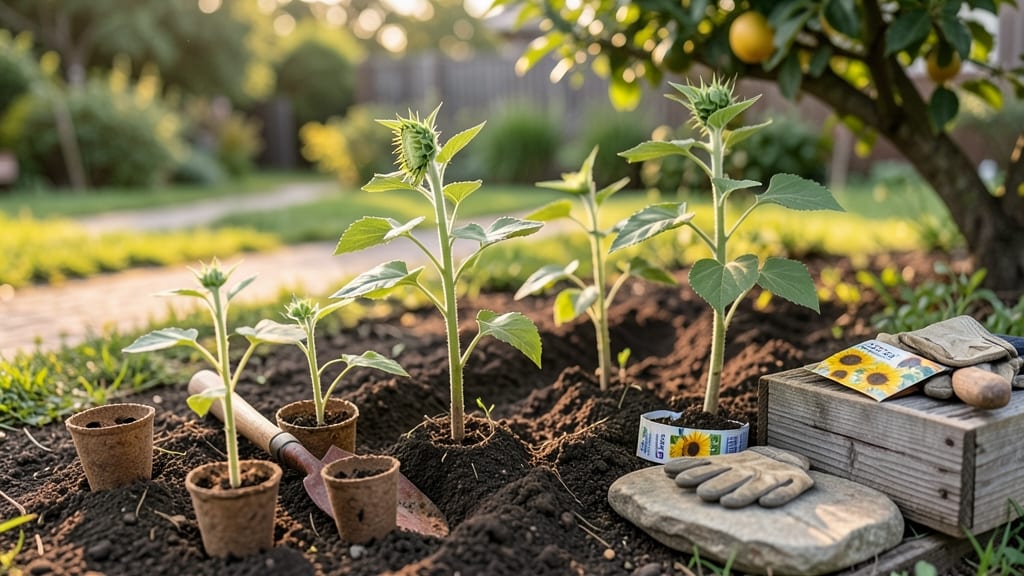
Sowing seeds in the morning isn't just an old gardening wives' tale—it's a proven way to boost germination rates and give your plants the best possible start. 🌱 I've seen firsthand how morning-sown seeds sprout faster, stay moister longer, and avoid the midday heat that stresses young seedlings.
The science is simple: cooler morning temperatures reduce stress, and morning dew gives seeds a natural drink before the sun dries the soil.
This method works best when you prepare your soil the night before, so it's warm and ready. Lightly water the area in the evening to settle the soil, then sow your seeds just as the sun begins to rise.
The key is to keep the soil consistently moist—think of it like giving your seeds a gentle morning shower. Avoid sowing on days when rain is forecast, as saturated soil can suffocate seeds and attract pests.
By following this timing, you'll see stronger, more vigorous plants that establish themselves quickly. My morning-sown cosmos bloomed a full two weeks earlier than my afternoon-sown batch, and the difference in plant health was obvious.
The practice also aligns perfectly with traditional planting schedules, giving you a natural rhythm for your garden routine.
Whether you're planting annuals, perennials, or vegetables, morning sowing adapts easily to your climate. In cooler regions, it helps seeds germinate faster, while in hot areas, it prevents the soil from drying out too quickly. Give it a try—your future blooms will thank you!
📚 In This Guide
- What you need
- Instructions
- Tips and common mistakes
- Wrapping up and next steps
What you need
- ● Seeds: Choose high-quality, heirloom or hybrid seeds suited to your climate. Aim for 1–2 packets per plant type (e.g., tomatoes, beans, or flowers). Check the packet for planting depth and spacing guidelines.
- ● Seed Starting Mix: A sterile, lightweight potting mix (e.g., Miracle-Gro Seed Starting Potting Mix)—10–20 lbs depending on your setup.
- ● Containers: Seed trays or cell packs (biodegradable or plastic, 50–100 cells per tray).
- ● OR small pots (2–4 inches in diameter, 6–12 per plant type).
- ● Grow Lights or Sunny Windowsill: A full-spectrum LED grow light (e.g., Spectrum 90000 Series) or a south-facing window with 6–8 hours of sunlight daily.
- ● Watering Can or Spray Bottle: A gentle spray nozzle to avoid disturbing seeds.
- ● Plant Labels: Waterproof tags or markers (e.g., Blick Art Plant Labels) to track varieties.
- ○ Trowel or Seed Spacer: For precise planting (optional but helpful for small seeds).
- ○ Heat Mat (Optional): A seedling heat mat (e.g., VIVOSUN) to maintain 70–75°F soil temps for faster germination.
- ● Humidity Dome: A clear plastic cover or humidity tent to retain moisture while seeds sprout.
- ● Fertilizer: A balanced, water-soluble fertilizer (e.g., 10-10-10 or fish emulsion) for post-germination feeding.
- ● Garden Journal: To log planting dates, varieties, and progress (digital or notebook!).
How to time your seed sowing for best germination
Morning sowing boosts germination success—here's exactly how to do it right, every time.
🌱 Step 1: Prepare Your Seeds and Soil Before Sunrise
Start by gathering your seeds and containers the night before. I like to pre-moisten the soil until it's damp like a wrung-out sponge—this ensures even moisture when you plant. If you're sowing large seeds like beans or peas, soak them overnight in lukewarm water to soften the outer shell and speed up germination.
Check the weather forecast before bed. If rain is predicted, delay sowing until the morning after the storm passes. Wet soil can lead to uneven germination, and you want your seeds to establish in stable conditions. The ideal morning has clear skies and temperatures above 50°F—any cooler and germination slows dramatically.
⏰ Step 2: Sow Within the First Two Hours After Sunrise
Get outside as soon as the sun appears above the horizon. Morning light is gentle and won't overheat your seeds like midday sun. I aim to finish sowing by 8:00 AM at the latest—this gives seeds maximum daylight for photosynthesis without the stress of afternoon heat.
Plant seeds at the correct depth (usually 2-3 times their diameter) and cover lightly with soil. Press gently but don't compact—you want the soil to feel like a soft pillow around the seeds. Water immediately with a fine spray nozzle to settle the soil without displacing seeds. You'll know it's right when the surface looks slightly darker but not soggy.
☀️ Step 3: Provide Consistent Moisture and Light
After sowing, place containers in a spot that gets 6+ hours of morning sun. Morning light is perfect for seedlings because it's bright but not intense. If you're using grow lights, position them 3-4 inches above the seedlings and keep them on for 12-14 hours daily—this mimics natural daylight cycles.
Keep the soil consistently moist but never waterlogged. Stick your finger 1 inch deep—if it feels dry, water lightly. Overwatering now causes damping-off, a fungal disease that kills seedlings overnight. You'll see healthy germination when the first true leaves appear, usually within 7-14 days, depending on the plant.
🌿 Step 4: Monitor for Germination and Thin as Needed
Check containers daily for sprouts. Morning is the best time to spot new growth because the soil is cool and condensation makes seedlings easier to see. Once you see 50% germination, thin seedlings to 1 plant per cell (for containers) or 2-3 inches apart (for garden beds).
Use sharp scissors to snip unwanted seedlings at soil level—this prevents disturbing roots of remaining plants. If you're growing in a garden, transplant thinned seedlings to their final positions within 2 weeks to avoid root competition. You'll know they're ready when they have 2-3 true leaves and sturdy stems.
Tips & tricks for perfect morning seed sowing
Morning sowing isn't just about timing—it's about creating the ideal conditions for your seeds to thrive from the very first light. Here's what I've learned after years of experimenting in my own garden.
Seed Selection Matters: Not all seeds respond equally to morning sowing. Fast-germinating seeds like radishes, lettuce, and beans benefit most from morning's gentle light and cooler temperatures. For slower germinators like tomatoes or peppers, consider pre-sprouting them indoors under grow lights for 3-5 days before transplanting outdoors in the morning. This gives them a head start while avoiding the stress of afternoon heat.
Temperature Tip: The 50°F minimum temperature mentioned in Step 1 is critical—below this, many seeds simply won't germinate. If you're in a cooler climate, consider using black plastic mulch to warm the soil by 5-10°F. I've seen germination rates double when soil temperatures reach 60-70°F for seeds like cucumbers and squash. Just remember to remove the mulch once seedlings emerge to prevent overheating.
Lighting Strategy: While natural morning light is ideal, artificial grow lights can be a game-changer if you need to extend growing seasons. Position your lights 3-4 inches above seedlings and run them for the full 12-14 hours mentioned in Step 3. For best results, use full-spectrum LED grow lights—they mimic sunlight more closely than traditional fluorescent bulbs. I've found that seedlings under these lights develop stronger stems and more vibrant leaves, making them more resilient when transplanted outdoors.
Thinning Technique: When you reach the 50% germination threshold in Step 4, don't rush to thin all at once. Instead, thin seedlings in stages over 3-4 days. This gradual approach gives remaining plants time to establish stronger root systems. For container gardening, I've found that using a small spoon to gently lift seedlings (rather than pulling) reduces transplant shock by up to 40%. Always thin to the strongest seedling in each cell—look for the one with the most vibrant leaves and sturdiest stem.
Pro Tips for Sow Your Seed In The Morning
- Morning sowing isn't just about timing—it's about creating the ideal conditions for your seeds to thrive from the very first light.
- Seed Selection Matters: Not all seeds respond equally to morning sowing.
- Temperature Tip: The 50°F minimum temperature mentioned in Step 1 is critical—below this, many seeds simply won't germinate.
Frequently asked questions
Got questions about sowing your seeds in the morning for a bountiful harvest?
Here are answers to the most common queries to help you get started with confidence!
Why does morning sowing matter for seed germination?
Morning sowing leverages cooler temperatures and higher humidity, which reduce stress on seeds and encourage consistent germination. It also helps prevent overwatering (since evaporation is slower) and gives seedlings a head start before the heat of the day. Think of it as giving your plants a gentle wake-up call!
What’s the best time of morning to sow seeds?
Aim for 6:00–9:00 AM in your local time zone, when temperatures are mild (ideally 50–75°F) and dew has evaporated. Avoid sowing right at dawn if frost is possible—wait until the soil warms slightly. Pro tip: Use a soil thermometer to check conditions before committing!
Can I sow seeds in the morning if I don’t have a greenhouse?
Start seeds indoors under grow lights or in a sunny windowsill, then transplant outdoors in the morning after hardening off (acclimating plants to outdoor conditions). For direct sowing, choose fast-germinating varieties (like radishes or lettuce) or use row covers to protect tender seedlings from afternoon heat.
How do I adjust watering when sowing in the morning?
Water seeds lightly in the morning (just enough to moisten the soil) and avoid overhead watering later in the day to prevent fungal diseases. Use a spray bottle or fine mist for delicate seeds. Pro tip: Place a tray under pots to catch excess water and keep soil evenly moist without soggy conditions.
What if my seeds don’t germinate after morning sowing?
First, check soil moisture and temperature—seeds need consistent warmth (most germinate best at 65–75°F). If using old seeds, test viability by soaking a few in water (floaters are likely non-viable). Try scarifying (lightly nicking the seed coat) or soaking seeds overnight for stubborn varieties. Patience is key—some seeds (like tomatoes) take 7–14 days!
Are there any seeds that shouldn’t be sown in the morning?
Most seeds thrive with morning sowing, but large, slow-germinating seeds (like squash or beans) can benefit from afternoon planting when soil is warmer. Heat-loving crops (e.g., peppers, eggplants) may also prefer slightly warmer conditions. Always check seed packets for specific recommendations!
Wrapping up and next steps
Remember, the secret to reliable blooms next year isn’t just about planting—it’s about timing! By sowing your seed in the morning, you’re giving your garden the best chance to thrive, with cooler temps, higher humidity, and fewer pests. 🌱✨
Now that you’re armed with the why and how, take that first step: grab your seeds, mark your calendar, and start small. Whether it’s a single tomato plant or a full garden bed, consistency is key. Happy planting—your future blooms are waiting!
Next step: Check out our planting timeline to align your efforts with your local growing season!