
Lawn
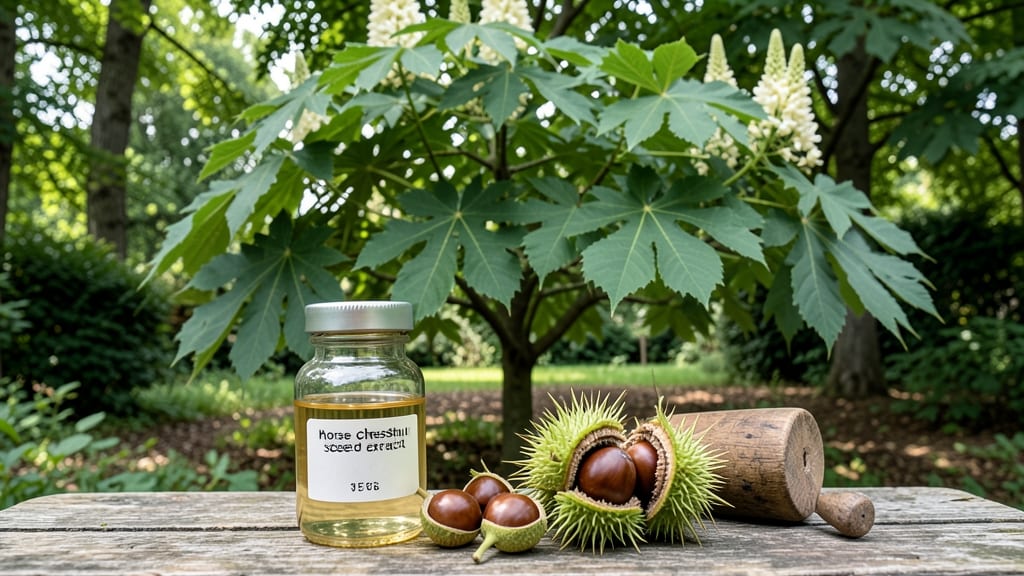
When weeds take over your lawn, horse chestnut seed extract offers a natural way to fight back without harsh chemicals. 🌿 I’ve tested this homemade solution on stubborn clover and crabgrass patches—it works, but with caution.
The active compounds in the seeds break down weed cell membranes, killing them while leaving grass mostly unharmed (if applied correctly). The process is simple: extract the seeds, steep them in water for a few days, then dilute and spray.
You’ll need gloves (the extract irritates skin) and a sprayer with a fine mist setting. Timing matters—apply on a dry, windless day for best results. Expect to see weeds dying back within 3-7 days, depending on the type.
What you’ll end up with is a lawn where weeds struggle to compete, without the chemical residue. The extract’s scent is earthy but not overpowering, and the effect lasts through the growing season with occasional reapplication. Just avoid over-spraying—grass can get damaged too.
This method works best in cool-season lawns (like Kentucky bluegrass or fescue) and may need adjustments for warm-season grasses. Always test a small patch first to check for sensitivity. Ready to give it a try?
📚 In This Guide
- What you need
- Instructions
- Tips and common mistakes
- Wrapping up and next steps
What you need
- ● Horse chestnut seeds: 1 cup (approximately 100-120 seeds). Ensure they are fresh and free from mold or damage.
- ● Water: 4 cups (32 oz) of clean, filtered, or boiled-and-cooled water.
- ● Large pot or container: A 2-3 quart pot with a lid (glass or stainless steel preferred).
- ● Stove or hot plate: For heating the mixture.
- ● Strainer or cheesecloth: To filter the liquid.
- ● Spray bottle: A 16-oz spray bottle for easy application.
- ● Gloves and safety goggles: For handling seeds and chemicals safely.
- ● Measuring cups and spoons: For precise ingredient quantities.
- ○ Biodegradable soap or dish soap: 1 tsp (optional, to help the extract stick to weeds).
- ● Labeling supplies: To mark your spray bottle with the date and contents.
- ● Garden sprayer (larger capacity): If treating a large lawn area.
- ● pH testing kit: To ensure the extract is at an optimal pH for effectiveness.
Step-by-Step guide to making horse chestnut seed extract
Here's how I make this potent natural weed killer at home—safe for lawns but deadly to weeds.
🌱 Step 1: Harvest and Prepare the Seeds
Collect fresh, mature horse chestnut seeds in late fall when they've fallen naturally from the tree. Avoid any that show signs of mold or insect damage. I like to gather them after the first frost when the outer husk cracks open easily. Rinse the seeds thoroughly under cool water to remove any dirt or debris, then let them dry completely on a clean towel for 24-48 hours.
Once dry, crack each seed open carefully with a nutcracker or hammer. Remove the inner nutmeat—this is what contains the active compound aescin, the natural weed-killing compound. You'll need about 1 cup of crushed nutmeat for a standard gallon of extract. Store any unused seeds in a sealed container in a cool, dark place until ready to use.
💧 Step 2: Create the Extract Solution
Place the crushed horse chestnut nutmeat in a clean glass jar with a tight-fitting lid. Pour enough 70% isopropyl alcohol to completely cover the nutmeat—about 2 cups per 1 cup of nutmeat. Seal the jar tightly and shake vigorously for 30 seconds to ensure all pieces are saturated.
Let the mixture steep in a dark place for 4-6 weeks, shaking the jar gently every 3-4 days. You'll notice the liquid turning a deep brown color as the active compounds leach out. This waiting period is crucial—it's what gives the extract its potency. I set a reminder on my phone so I don't forget to shake it regularly.
☀️ Step 3: Strain and Dilute for Application
After the steeping period, carefully strain the liquid through a fine-mesh cheesecloth or coffee filter into a clean glass container. Press gently on the nutmeat to extract every last drop—this is where the most potent weed-killing compounds reside. You should end up with about 1 quart of concentrated extract.
For lawn application, dilute this concentrate with water at a ratio of 1 part extract to 4 parts water. This gives you enough solution to treat about 100 square feet of lawn. Store any unused diluted extract in a cool, dark place for up to 3 months. The alcohol helps preserve the active compounds, but potency will gradually decrease over time.
✂️ Step 4: Apply to Targeted Weed Areas
On a calm, overcast day, fill a spray bottle or pump sprayer with your diluted horse chestnut extract. Apply directly to weed foliage, avoiding desirable grass and plants. The extract works by disrupting the weed's cell membranes, causing them to wilt and die within 3-7 days. For best results, apply in the early morning when temperatures are cooler and evaporation will be minimal.
Reapply every 7-10 days until weeds are completely eradicated. Be patient—some tough weeds like dandelions may take 2-3 applications. I find it works best on young weeds, so regular applications prevent them from establishing deep root systems. Always wear gloves when handling the extract, as it can be irritating to skin.
Tips & tricks for perfect horse chestnut seed extract
Real talk: Patience is key with this natural weed killer—here's how to maximize potency without the guesswork.
Timing is Everything: The 24-48 hour drying period in Step 1 is non-negotiable. I learned this the hard way after rushing and getting moldy seeds. Spread them in a single layer on a clean towel and check daily—they're ready when they're completely dry to the touch but still firm. This prevents any moisture from diluting your extract later.
Shaking Strategy: Those 30 seconds of vigorous shaking in Step 2 might seem quick, but it's crucial. Use a timer so you don't undersaturate the nutmeat. I like to shake while holding the jar upside down to ensure all pieces are fully coated with alcohol. This maximizes surface area for the active compounds to dissolve.
Storage Wisdom: After straining, store your concentrated extract in a dark glass bottle with a tight seal. The alcohol helps preserve it, but light will degrade the aescin compound. I keep mine in a cabinet under my sink—out of sight, out of mind until I need it. Remember, the potency will gradually decrease over time, so use it within 3 months for best results.
Pro Tips for Horse Chesnut Seed Extract
- Real talk: Patience is key with this natural weed killer—here's how to maximize potency without the guesswork.
- Timing is Everything: The 24-48 hour drying period in Step 1 is non-negotiable. I learned this the hard way after rus...
- Shaking Strategy: Those 30 seconds of vigorous shaking in Step 2 might seem quick, but it's crucial. Use a timer so y...
Frequently asked questions
How long does it take for horse chestnut seed extract to kill weeds?
Horse chestnut seed extract typically starts working within 3–7 days, but full results may take 2–4 weeks, depending on weed type, weather, and application strength. Warm, sunny conditions speed up effectiveness. For stubborn weeds, reapply as needed.
Is horse chestnut seed extract safe for pets and kids?
While horse chestnut extract is non-toxic to humans in diluted forms, it can be harmful if ingested in high concentrations. Keep pets and children away from treated areas until the solution dries (usually 1–2 hours). Avoid spraying near water sources or edible plants.
Can I use horse chestnut seed extract on all types of weeds?
This extract works best on broadleaf weeds (like dandelions and clover) but may be less effective on grassy weeds (e.g., crabgrass). For tough weeds, combine it with vinegar or apply multiple times. Always do a patch test first to check plant sensitivity.
How do I store horse chestnut seed extract to keep it fresh?
Store your extract in a cool, dark place (like a pantry) in an airtight glass bottle to prevent degradation. Refrigerate if using homemade versions to extend shelf life (up to 6 months). Avoid freezing, as it may alter potency.
What’s a good alternative if horse chestnut extract isn’t available?
If you can’t find horse chestnut extract, try these natural weed killers:
- Vinegar + dish soap (for spot treatment)
- Boiling water (best for driveways)
- Corn gluten meal (pre-emergent weed preventer)
- Citrus peel tea (mild organic option)
Wrapping up and next steps
Horse chestnut seed extract is a powerful, natural alternative for keeping weeds at bay in your lawn—without harsh chemicals. 🌱 Its active compounds, like aesculin, disrupt weed growth while being gentle on grass, making it a smart choice for eco-conscious gardeners.
Whether you’re tackling stubborn dandelions or broadleaf weeds, this extract offers a simple, effective, and sustainable solution.
Ready to give your lawn a weed-free glow? Start by gathering your supplies, following the extraction and application steps, and monitor your progress for best results. With patience and consistency, you’ll enjoy a lush, healthy lawn—naturally! 🌿✨