
Plants
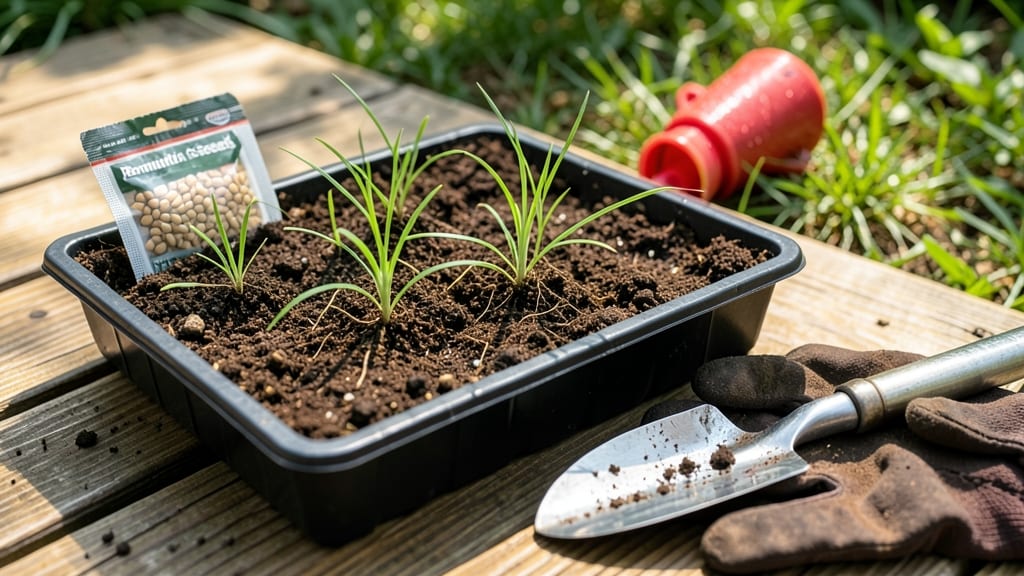
Planting Bermuda seed in North Texas between late April and early June gives you the fastest germination and thickest lawn possible—just as the soil warms and before summer’s brutal heat sets in.
North Texas homeowners know a lush, weed-resistant Bermuda lawn is worth the effort—but planting at the wrong time can mean slow germination, poor coverage, or even wasted seed. Timing is everything, and these exact dates will help you achieve the fastest, thickest lawn possible.
This isn’t just about avoiding late spring planting; it’s about matching your schedule to soil temperatures of 85-95°F and USDA Zone 8a conditions. Too early, and frost lingers; too late, and the seed struggles to establish before the heat kicks in.
Below, I break down the best planting windows by region, soil prep secrets, and how to adjust for drought-prone areas—so you get a lawn that’s fast-growing, dense, and resilient from day one.
Best planting dates for Bermuda seed in North Texas (with temperature zones)
Getting your Bermuda grass seed in the ground at the right time is the difference between a thick, weed-free lawn and a patchy disappointment. In North Texas, where temperatures swing wildly between 80°F and 105°F in summer, timing your planting to match soil warmth and rainfall patterns is critical.
The ideal window is short but sweet—late April through early June—when soil temperatures consistently hit 85-95°F and the risk of early frost has passed.
Why? Bermuda grass thrives in heat and sunlight, but it needs warm soil to germinate. Planting too early (before 65°F soil temps) stalls growth, while waiting too late risks summer drought stress.
Let’s break down the exact dates by region, so you can plant with confidence and see those first green sprouts in just 7-14 days.
🌱 Key Rule: Wait until the average daily low stays above 70°F and soil temps reach 85°F+ at 4-inch depth. Use a soil thermometer to check—this is non-negotiable for fast germination.
If you’re in the Dallas-Fort Worth area, aim for late April to early June when soil temps hit 85°F+. This aligns with peak rainfall in North Texas, giving your Bermuda seed the moisture it needs to sprout without drowning.
Use a soil thermometer to confirm—germination slows below 80°F, and you’ll waste seed if you plant too early.
For Waco and Central Texas, shift your timeline to early May through mid-June. The hotter, drier climate here demands deeper watering (1-1.5 inches per week) and mulch to lock in moisture. Skip the pre-emergent herbicide until after germination—it’ll kill your new grass too.
In Amarillo and the Panhandle, where nights stay cooler, wait until mid-May to late June. The Zone 7b climate means soil warms slower, and wind exposure can dry out seedlings. Use windbreaks or shade cloth if planting early to protect young sprouts.
East Texas gardeners have a slightly longer window—late April to early June—thanks to higher humidity and better rainfall. But watch for clay soils, which can waterlog and suffocate seeds. Amend with compost or sand to improve drainage before planting.
Pro Tip: If you miss the spring window, overseed in late August for a fall lawn. Bermuda goes dormant in winter, so this is your only backup. Just remember: soil
How to prepare your soil and lawn for Bermuda seed planting (critical prep steps)
Before you even think about scattering Bermuda seed, your North Texas soil needs a clean slate and perfect conditions. Skipping prep steps can mean patchy germination or weeds taking over—so let’s get this right. The goal? A 90%+ coverage rate that chokes out weeds before they start.
Start with a soil test to check your pH—Bermuda thrives in 6.0-7.0 range. If your soil is too acidic or alkaline, you’ll need lime (to raise pH) or sulfur (to lower pH).
Most North Texas soils lean alkaline, so lime is usually the fix. Test kits cost under $20 and save you from wasted seed.
Once your pH is dialed in, it’s time to till the soil to a depth of 4-6 inches. This breaks up compacted clay (common in Texas) and creates a loose bed for roots. Rent a tiller if your yard is large—hand-digging won’t cut it for Bermuda’s aggressive growth habits.
Critical Prep Steps for Bermuda Seed Success
- Test soil pH (aim for 6.0-7.0)
- Till to 4-6 inches (break up clay)
- Apply pre-emergent 2 weeks before planting
- Rake seed into soil (lightly cover with ¼ inch of dirt)
- Water deeply (1-1.5 inches daily for 2 weeks)
Weed control is non-negotiable. Apply a pre-emergent herbicide 2 weeks before planting—this stops weed seeds (like crabgrass) from germinating. Skip this, and you’ll spend summer pulling weeds instead of admiring your lawn. For organic options, use corn gluten meal, but it’s less effective against Texas weeds.
After tilling, rake the soil smooth and remove all debris. Bermuda seed is tiny—about the size of sand grains—so a level surface ensures even distribution. Spread a thin layer of starter fertilizer (high in phosphorus) to encourage root growth.
Then, scatter seed by hand or with a broadcast spreader at the rate of 1/4 pound per 100 sq ft.
Finally, lightly cover the seed with ¼ inch of soil or compost. This protects it from birds and keeps moisture in. Water gently but thoroughly—aim for 1-1.5 inches of water daily for the first 2 weeks.
Use a sprinkler with a fine mist setting to avoid washing seeds away. Consistency is key: Bermuda seed needs steady moisture to germinate.
Pro tip: Mulch with straw after germination (when sprouts are 1-2 inches tall) to retain moisture and block weeds. With these steps, you’ll see first sprouts in 7-14 days and a thick lawn by summer. 🌱