
Plants
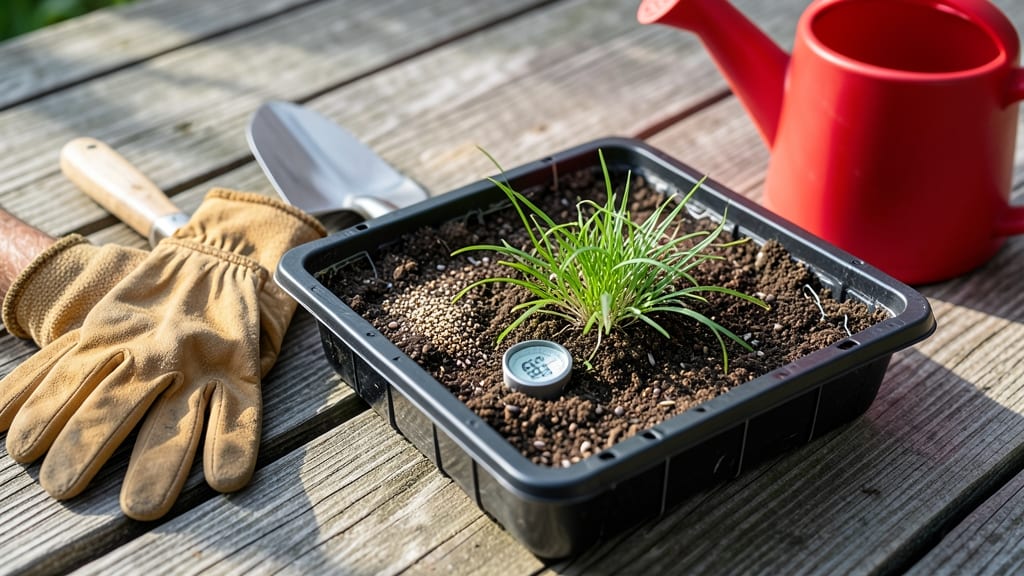
Planting Bermuda seed in Texas after the last frost and when soil hits 65°F is the key to a thick, drought-proof lawn.
Get it wrong, and you’ll spend the summer chasing patchy spots or worse, tossing seed money into the wind. The difference between success and frustration often comes down to two weeks—either side of your zone’s frost-free date.
Texas’ climate zones run from 8a in the Panhandle to 10b in the Rio Grande Valley, so timing varies wildly. In North Texas, that means waiting until mid-April, while South Texas gardeners can start as early as late February.
Below, I’ll break down the exact soil temps to watch, how to spot a ready-to-plant patch, and the one watering trick that makes all the difference in our heat.
Ideal planting windows for Bermuda seed in Texas by hardiness zones
Bermuda grass thrives in Texas heat, but planting it at the wrong time can turn your dream lawn into a patchy disappointment. The key to success lies in understanding your USDA hardiness zone (8a-10a) and following the 21-day rule for germination.
Unlike cool-season grasses, Bermuda needs warm soil—at least 75°F—to sprout reliably. In Texas, this means waiting until spring or late summer, depending on your location.
Texas spans multiple climate zones, and each has its own ideal planting window. For example, Houston (Zone 9a) can start as early as late February, while El Paso (Zone 8a) should wait until mid-April.
The 21-day rule is critical: plant your seed so it has at least 21 days of consistent warmth and moisture before summer heat arrives. This ensures germination before dormancy kicks in.
Here’s how to align your planting with Texas’s hardiness zones, soil temperatures, and city-specific deadlines to maximize success:
In Zone 8a (like El Paso), the window is tight—plant too early, and frost can still linger. Too late, and the 100°F+ Texas summers will stress young seedlings. The 21-day rule here means planting by May 30 to ensure germination before the heat sets in.
For Zone 10a (Houston), you’ve got more flexibility, but humidity can become an issue after June 15, making fall planting (late July-August) a safer bet.
San Antonio’s Zone 9a offers a middle ground, but don’t be fooled by warm air temperatures—soil warmth is what matters. Use a soil thermometer to confirm 75°F+ at 4-inch depth before planting.
If your soil is still cool in March, wait. Bermuda seed won’t germinate until the soil warms up, no matter how sunny it is outside.
Fall planting is another viable option, especially in southern Texas (Zones 9a-10a). Aim for late August to early September to give seedlings time to establish before winter.
In North Texas (Zone 8a), fall planting is riskier due to earlier frosts, but late August can work if you’re proactive about watering and protecting young grass.
Pro tip: If you’re in a transition zone (like Austin), split your planting. Seed half in spring (April) and half in fall (September) to ensure year-round coverage. This strategy also helps if one season’s planting fails due to drought or pests.
Remember, Bermuda grass is aggressive once established, but it starts slow. Don’t rush—waiting for the right conditions beats a failed lawn.
With these zone-specific deadlines and the 21-day rule, you’ll be well on your way to a thick, green Bermuda lawn that stands up to Texas’s toughest summers. 🌱
5 Critical signs your Texas soil is ready for Bermuda seed (and how to fix delays)
Your Texas soil might look ready, but Bermuda grass seed needs specific conditions to germinate properly. One wrong move—like planting too early or ignoring soil warmth—can leave you with sparse patches or wasted seed.
I’ve learned the hard way that soil temperature and moisture balance are non-negotiable for this heat-loving grass.
Before you scatter that seed, check these five critical signs your soil is primed for Bermuda. If your patch fails any of them, I’ll show you how to fix delays without losing your entire planting season. Think of this as your Texas-specific checklist for success.
- 1. Soil temp hits 65°F+ at 4-inch depth. Use a soil thermometer—Bermuda won’t germinate below this. North Texas waits until mid-April; South Texas can start by late February.
- 2. Weed competition is minimal. Pull crabgrass and clover now—they’ll steal nutrients from your new seed. A pre-emergent herbicide applied 2 weeks before planting helps too.
- 3. Moisture is consistent. Stick your finger 2 inches deep—soil should feel damp but not soggy. If it’s dry, water deeply 24 hours before planting to mimic spring rains.
- 4. pH level is 6.0–7.0. Test your soil—Bermuda thrives in this range. If it’s below 6.0, add lime; if above 7.0, use sulfur. Organic gardeners can use compost tea for gradual adjustments.
- 5. Sunlight is 6+ hours daily. Bermuda won’t grow in shade. If your yard has partial shade, consider black plastic mulch to warm the soil faster—it can jump-start germination by 10–14 days.
If your soil misses any of these marks, don’t panic. For cooler zones like Zone 8a, use black plastic mulch to raise soil temps by 10–15°F. Lay it down 2 weeks before planting to create a microclimate.
In hotter zones like Zone 10a, shade cloth can protect seed from scorching winds while keeping moisture.
For organic gardeners, focus on compost and worm castings to improve soil structure. Mix in 2–3 inches of compost and water deeply 48 hours before seeding. Synthetic routes? A starter fertilizer with high phosphorus (like 10-20-10) can jumpstart root growth if your soil’s nutrient levels are low.
Pro tip: If you’re late to the season (say, June in North Texas), switch to sod instead of seed. Bermuda sod establishes faster in extreme heat, and you’ll avoid the 21-day germination window that seed demands. Just water twice daily for the first week to keep roots moist.
Timing Bermuda seed right in Texas isn’t just about avoiding frost—it’s about soil science and regional tweaks. Master these signs, and you’ll go from patchy lawn to lush, drought-resistant carpet in no time. 🌱