
Plants
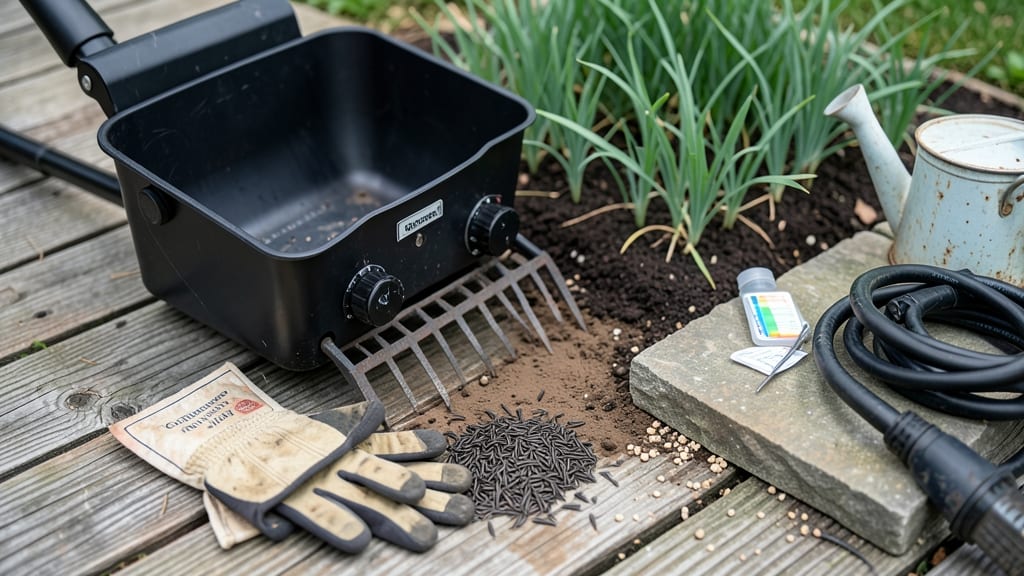
Planting grass seed in the spring should happen when soil temperatures hit 50°F and the last frost has passed — a window that shifts dramatically depending on your USDA zone.
Timing your grass seed planting just right in spring can mean the difference between a lush, green lawn and patchy disappointment—especially when aiming for 90% germination rates. But with USDA zones spanning from chilly Alaska to balmy Florida, when exactly should you plant?
For Zone 6a, like many northern regions, the ideal window opens around April 15, once the ground warms and frost risk fades. Too early, and chilly nights will stall germination; too late, and weeds will outcompete your tender seedlings.
Below, I break down the perfect planting window for your zone, soil prep secrets, and the 3 mistakes that kill germination—so you can finally grow that dream lawn without the guesswork.
USDA zone-specific spring planting deadlines for maximum grass seed germination
Getting your grass seed in the ground at the perfect time is the secret to achieving those 90%+ germination rates you dream about. But with USDA zones 3 through 11 having wildly different spring conditions, your neighbors' planting schedule might not work for you.
Let's break down the ideal planting windows by zone, accounting for frost risk, soil temperatures, and regional climate patterns that actually matter for your lawn's success.
Cool-season grasses like Kentucky Bluegrass and Fescue thrive when planted in early spring or early fall, while warm-season varieties such as Bermuda and Zoysia need those soil temps above 65°F to sprout reliably.
Missing these windows means slower establishment, weed competition, or even seed death from late frosts or extreme heat. Here's your zone-by-zone planting calendar to avoid those pitfalls.
| USDA Zone | Cool-Season Planting Window | Warm-Season Planting Window | Key Consideration |
|---|---|---|---|
| Zones 3-4 | April 15 - May 15 | N/A (Too cold) | Wait for consistent 50°F soil temps and no frost risk |
| Zones 5-6 | April 1 - May 15 | Late May - Early June | Avoid late spring frosts (check local forecasts) |
| Zones 7-8 | February 15 - March 31 | March 15 - April 30 | Warm-season grasses need 65°F+ soil before planting |
| Zones 9-10 | February 1 - March 15 | February 15 - April 1 | Plant early to avoid summer heat stress |
| Zone 11 | January 15 - February 28 | January 1 - March 15 | Use shade cloth if planting in peak summer |
Adjust 1-2 weeks earlier for dry climates or 1-2 weeks later for wet regions.
If you're in Zones 3-4, patience is key—planting too early means frost damage to tender seedlings, while waiting until May ensures your Kentucky Bluegrass has time to establish before summer heat arrives.
I've seen lawns in Zone 4 planted in late May still thrive because they avoided that critical frost window.
For Zones 5-6, aim to get seeds down by mid-May at the latest. This gives cool-season grasses like Tall Fescue enough time to germinate before summer dormancy kicks in. Pro tip: Use a soil thermometer—wait until temps hit 55°F+ consistently for 5+ days before planting.
Southern gardeners in Zones 7-11 have more flexibility, but don't wait too long. Warm-season grasses like Bermuda need to establish before summer's brutal heat arrives.
In Zone 9, I've had success planting Zoysia as early as mid-February when soil temps are ideal, but late plantings often struggle with weed competition.
Remember, these are general guidelines. Your microclimate matters—shady spots may need 2-3 weeks later planting, while south-facing slopes can handle earlier dates. Always check your last frost date and adjust accordingly. The goal is consistent soil moisture and warmth for those first 30 days after planting.
One final tip: If you're unsure about your exact planting window, do a quick soil test for temperature. Cool-season grasses need 50-60°F soil, while warm-season varieties require 65°F+.
This simple check can save you from wasted seed and disappointing results. With the right timing, you'll be enjoying that 90%+ germination in just 10-14 days.
Now grab your seed spreader, check that weather forecast, and get planting within your zone's ideal window. Your future lawn will thank you! 🌱
5 Critical factors that determine your perfect planting window (beyond the calendar)
Planting grass seed in spring isn’t just about checking a calendar—it’s about reading your soil temperature, frost risk, and even your local microclimate. For example, Kentucky Bluegrass thrives when soil hits 55°F, while Bermuda grass waits for 65°F.
Ignore these details, and you risk patchy germination or wasted seed.
Instead of relying on generic "plant in April" advice, I’ve created a rating bar system to help you prioritize what truly matters for your lawn. This way, you can adjust your timeline based on real-time conditions—not just a fixed date.
Your soil temperature is the #1 factor—cool-season grasses like Tall Fescue need soil at 55°F or warmer to germinate. Use a soil thermometer (just $10) to check 2" deep. If it’s below 50°F, wait—cold soil slows germination by 50% or more.
Next, check your frost risk using the National Weather Service’s frost prediction maps. Planting 2 weeks before the last frost date gives seedlings time to establish roots before heat stress hits. For Zone 5-7, this often means mid-April to early May.
Don’t overlook rainfall forecasts. Grass seed needs consistent moisture to germinate—aim for 1"+ per week naturally or supplement with light daily watering. If your forecast shows drought, adjust your timeline to align with wetter periods.
Your grass type changes everything: Warm-season grasses (like Zoysia) wait for 65°F+ soil, while cool-season (like Kentucky Bluegrass) can go in as early as 40°F. Always match your seed to your climate—planting the wrong type wastes seed and money.
Finally, microclimates like south-facing slopes or shaded areas can shift your ideal window by 2-4 weeks. A sunny patch warms faster than a shady spot, so test soil temps in both areas before committing. Pro tip: