
Plants
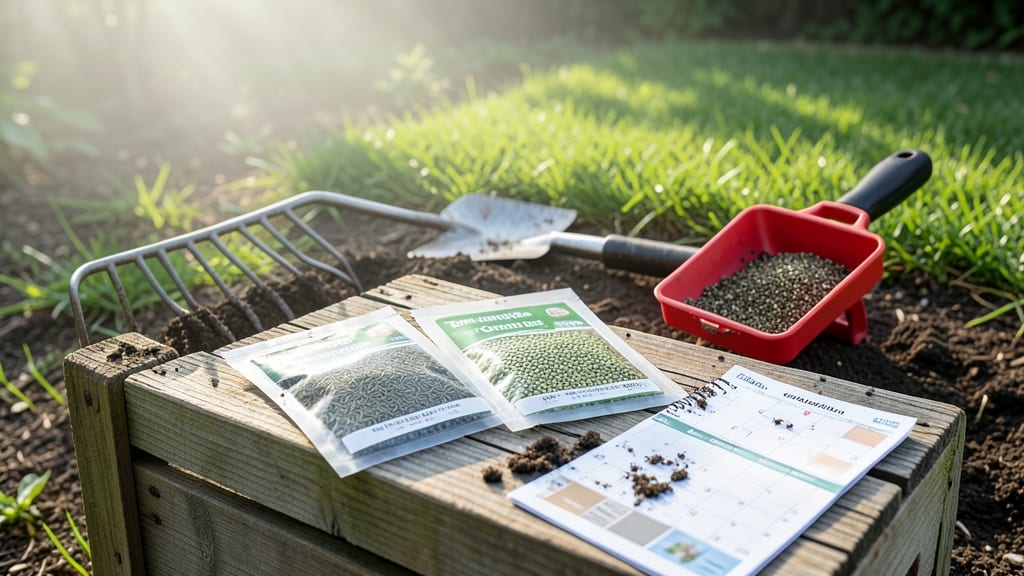
Planting grass seed in Texas at the right time means the difference between a thick, drought-resistant lawn and years of patchy frustration 🌱.
If you’ve ever watched your new grass seedlings wilt under a Texas summer heatwave or struggle to take root in scorching August soil, you know timing is everything. The key isn’t just picking a month—it’s reading the weather, the soil, and your region’s quirks to lock in the perfect window.
Fall is the gold standard for Texas lawns, but not all fall months are created equal. North Texas needs to plant by early October, while South Texas can stretch into November—each zone has its own rhythm.
We’ll break down the exact calendar, soil prep secrets, and the grass types that thrive here without begging for water.
By the end, you’ll know exactly when to seed for a lawn that survives Texas summers, how to prep soil that’s often as hard as concrete, and which varieties outperform the rest in your part of the state.
Texas grass seed planting calendar: best fall months by region
Texas’ diverse climate means your grass seed timing depends entirely on where you live. In North Texas, cooler nights arrive earlier, while South Texas stays warm well into October. Planting too early or late can leave your lawn vulnerable to summer heat stress or winter dieback.
Let’s break down the perfect fall windows for each region, including soil temperature thresholds and rainfall patterns to maximize germination.
For cool-season grasses like Tall Fescue and Ryegrass, the goal is to establish roots before first frost. In Central Texas, this means seeding by mid-October, while South Texas gardeners can push it to early November.
Warm-season grasses like Bermuda or Zoysia need late summer planting (August) to avoid heat shock during germination.
Here’s the regional breakdown you need to avoid common mistakes like overwatering or planting in drought conditions. Each zone has unique temperature triggers and rainfall cues that determine success.
| Region | Best Planting Window | Soil Temp Threshold | Rainfall Needs | Key Prep Step |
|---|---|---|---|---|
| North Texas (7b-8a) | Late August–Mid October | 60–75°F | 0.5–1.5" weekly | Test soil pH (6.0–7.0) |
| Central Texas (8a-9a) | Mid August–Late October | 65–80°F | 0.75–2.0" weekly | Aerate compacted soil |
| South Texas (9a-10a) | Early August–Early November | 70–85°F | 1.0–2.5" weekly | Add organic matter |
🌱 Pro Tip: Use a soil thermometer to confirm temps—below 60°F slows germination.
In North Texas, aim to finish planting by mid-October to give seeds 6–8 weeks of warm soil before first frost (usually November 15). If you miss this window, wait until early spring (February) for cool-season grasses.
The soil temperature must stay above 60°F for 2–3 weeks post-planting to avoid seed rot.
Central Texas gardeners have a slightly longer window—mid-August to late October—but September is ideal. This region’s caliche soil often needs aeration before seeding. After planting, monitor rainfall: less than 0.5 inches per week means supplementing with drip irrigation to keep soil moist but not soggy.
For South Texas, the extended growing season lets you plant until early November, but August–September is critical for warm-season grasses.
The humidity here can cause fungal diseases, so avoid overwatering and water early in the morning to let foliage dry quickly. Soil temperatures above 85°F can kill seeds, so late-afternoon planting is best.
One critical mistake I see in Texas lawns is planting too late and relying on winter rains. If you seed after October 15 in North Texas or November 1 in South Texas, your grass may not establish before freezing temps.
Instead, test soil moisture weekly—top 2 inches should stay consistently damp but not waterlogged.
Another region-specific tip: North Texas often needs pre-emergent herbicides in spring to prevent crabgrass, while South Texas lawns benefit from shade-tolerant grasses like St. Augustine if your yard has partial shade. Always mow high (3–4 inches) to encourage deep root growth and drought resistance.
Finally, fertilize lightly 4–6 weeks after planting with a low-nitrogen blend (e.g., 10-10-10) to avoid burning tender seedlings.
In Central Texas, this timing aligns with September rains, while North Texas may need supplemental watering if fall is dry. Track your local frost dates—they’re your hard deadline for fall planting success.
By following these region-specific guidelines, you’ll avoid the common pitfalls
5 Critical factors that determine your Texas grass seed success
Timing your grass seed planting is only half the battle in Texas—your soil pH, grass variety, and microclimate can make or break your lawn. I’ve seen Bermuda grass thrive in one yard while St. Augustine wilts next door, all because of one overlooked factor.
Let’s break down what truly matters beyond the calendar.
Texas lawns face unique challenges: alkaline soil that locks out nutrients, intense sun that dries out seedlings, and unpredictable droughts that turn new grass to straw. The right grass seed can handle these extremes—but only if you match it to your yard’s specific conditions.
I’ll show you how to assess your space and pick winners like Zoysia for shade or Buffalo grass for water-wise zones.
- 1 Soil pH (6.0–7.0): Texas soil is often alkaline (7.5+). Use sulfur or peat moss to lower pH before planting. Test your soil—this single fix can double germination rates.
- 2 Drought Tolerance: Choose native grasses like Buffalo grass or Zoysia for water-starved areas. Bermuda and St. Augustine need 1–1.5 inches of water weekly once established.
- 3 Sun vs. Shade: Bermuda and Zoysia need 6+ hours of sun. For shady spots (under 4 hours sun), pick St. Augustine or Fine Fescue. Partial shade? Tall Fescue is your best bet.
-
4
Grass Type Match:
- Full Sun, Drought-Proof: Bermuda or Zoysia
- Shade Tolerant: St. Augustine or Fine Fescue
- Low-Maintenance: Buffalo grass or Tall Fescue
- 5 Soil Prep Depth: Till 4–6 inches deep to break up compacted clay. Mix in compost or sand for drainage. Skipping this step = poor root growth and weed invasion.
Your soil’s pH level is the silent killer of Texas lawns. Most native soils here test between 7.5 and 8.5, which locks out essential nutrients like iron and phosphorus.
I’ve had clients add elemental sulfur to lower their pH by 1 point, and the difference in germination was night and day. Aim for a 6.0–7.0 range—this is non-negotiable for cool-season grasses like Tall Fescue.
Don’t overlook microclimates in your yard. That shady corner under your oak tree might get enough light for St. Augustine, but the south-facing slope will bake Bermuda grass if not watered deeply.
I recommend testing multiple spots with a light meter—you might discover your yard has three distinct zones needing different grass types.
Finally, watering habits make or break your new lawn. Texas grass seed needs consistent moisture for the first 30 days, but overwatering causes fungus. Use a soaker hose in the early morning to keep soil damp but not soggy.
Pro tip: Mulch with straw after seeding to retain moisture and block weeds.
Your Texas lawn’s success hinges on these five factors—master them, and you’ll outlast the heat, droughts, and even the neighbors’ envy. Start with a soil test, pick the right grass, and water like a pro. Your future self (and your lawn) will thank you. 🌱