
Plants
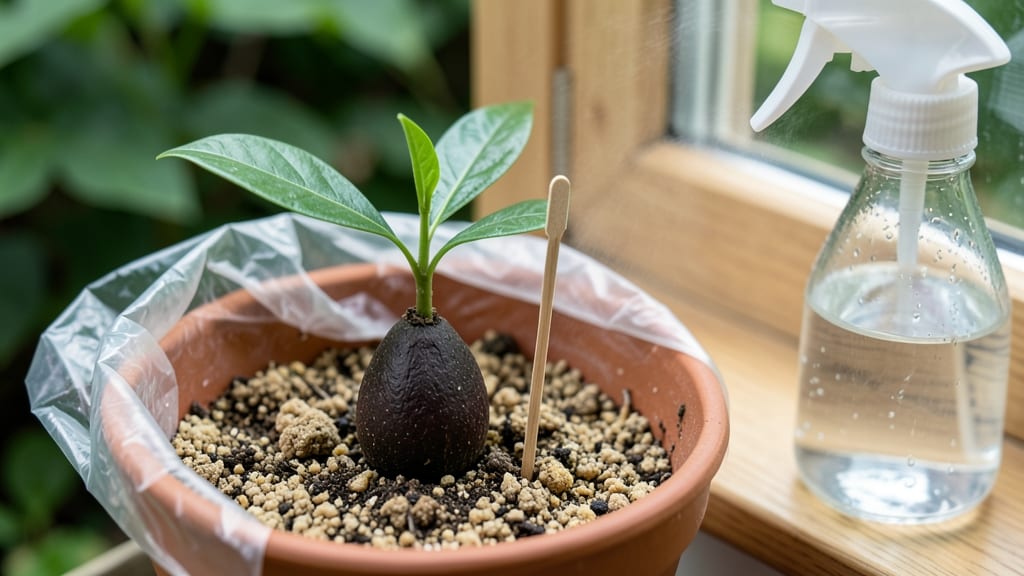
Planting an avocado seed into soil at the right time means the difference between a thriving 🥑 sapling and a sad, wilted failure.
Growing an avocado tree from a seed is a rewarding project—but timing is everything. Plant too early, and your seedling risks frost damage; too late, and you delay the magical moment when those first leaves unfurl.
Here’s how to align your planting schedule with your climate zone for the best results.
In warmer zones like 6a, aim for March–April when soil temperatures hit 60°F+, ensuring roots warm up before sprouting. Colder areas may need to start seeds indoors in February to beat the last frost date—usually mid-April in most regions.
Below, I’ll break down the exact seasonal cues to watch, whether to start indoors or outdoors, and how to avoid common mistakes that stall germination.
Best planting months for avocado seeds by USDA hardiness zones
Timing your avocado seed planting is critical for germination success. These tropical trees thrive in warm soil (60-75°F) and can't tolerate frost. Your USDA zone determines the perfect window—plant too early, and your seedling risks cold damage; too late, and you delay growth.
Let's break down the ideal months for Zones 7 through 11, where avocados flourish.
Most gardeners start avocado seeds indoors 4-6 weeks before the last frost date, then transplant outdoors. However, your exact timing depends on your zone. For example, Zone 7 gardeners should wait until late April or May, while Zone 11 can plant year-round with minimal frost risk.
Always check your local last frost date as your starting point.
Soil temperature is more important than air temperature for avocado seeds. Use a soil thermometer to confirm your soil has reached 60°F (15°C)—the minimum for germination.
In cooler zones, consider using a heat mat or planting in containers you can move indoors if nighttime temps drop below 50°F (10°C). This flexibility helps extend your planting window.
Here's how your USDA zone affects planting timing, including frost risk and soil temperature thresholds:
| USDA Zone | Best Planting Months | Soil Temp Threshold | Frost Risk | Transplant Ready |
|---|---|---|---|---|
| Zone 7 | Late April - May | 60-75°F (15-24°C) | High (last frost: mid-April) | 6-8 weeks after sowing |
| Zone 8 | March - April | 60-75°F (15-24°C) | Moderate (last frost: late February) | 5-7 weeks after sowing |
| Zone 9 | February - March | 65-75°F (18-24°C) | Low (last frost: early January) | 4-6 weeks after sowing |
| Zone 10 | January - February | 70-75°F (21-24°C) | Minimal (occasional frost) | 3-5 weeks after sowing |
| Zone 11 | Year-round (best: Jan-Mar) | 70-80°F (21-27°C) | None | 2-4 weeks after sowing |
For Zone 7 gardeners, the late April to May window offers the best balance between warm soil and frost-free nights. Start seeds indoors in March to give them a head start.
In Zone 8, you can begin as early as March, but monitor nighttime temperatures—avocado seedlings can't handle below 40°F (4°C) for long.
Gardeners in Zones 9-11 enjoy longer growing seasons. In Zone 9, aim for February-March planting when soil temperatures consistently stay above 65°F (18°C). Zone 10 and 11 gardeners can plant almost year-round, but January-March provides the most reliable conditions.
In Zone 11, you might even see faster germination in summer months due to higher soil temperatures.
Pro tip: Use black plastic mulch or row covers to warm soil faster in cooler zones. These tools can push your planting window 2-4 weeks earlier by raising soil temperatures by 5-10°F (3-6°C).
Always remove covers during the day to prevent overheating, which can stress young seedlings. Pair this with drip irrigation to maintain consistent moisture without wetting the leaves.
Remember that avocado seeds germinate best when soil stays consistently warm. If you're in a transitional zone (like Zone 7b), consider starting seeds indoors under grow lights in <
How to time your avocado seed germination for indoor vs outdoor transplanting
Timing your avocado seed germination correctly ensures your seedling thrives when transitioned outdoors. Start indoors 4-6 weeks before your last frost date—typically mid-February for most USDA Zone 6a regions. This head start lets roots establish before soil warms, while avoiding the risk of frost damage to tender sprouts.
For indoor germination, use a small container with well-draining soil or a damp paper towel. Place the seed near a south-facing window or under grow lights for 6+ hours of light daily. Keep the soil consistently moist but never soggy, as avocado seeds rot easily in waterlogged conditions.
Once your seedling reaches 6 inches tall with true leaves (not just cotyledons), it’s ready for outdoor hardening. This process—gradually exposing the seedling to outdoor conditions—takes 1-2 weeks and prevents shock when transplanted permanently.
When to Plant Avocado Seed into Soil: Step-by-Step Timeline
- 1
- 2
- 3
- 4
- 5
If you’re in a warmer climate (Zones 8-11), you can skip indoor germination and plant seeds directly outdoors in late winter (February) when soil temperatures exceed 60°F. However, always monitor for frost warnings, as young seedlings are vulnerable.
Pro tip: Use a soil thermometer to confirm soil warmth before transplanting. Avocado seedlings struggle in cold soil, so wait until temperatures stay above 60°F for 3+ days to ensure root health and growth.
With the right timing and care, your avocado seedling will transition smoothly from indoor start to outdoor growth, setting the stage for a thriving tree in just a few months. 🌱