
Lawn
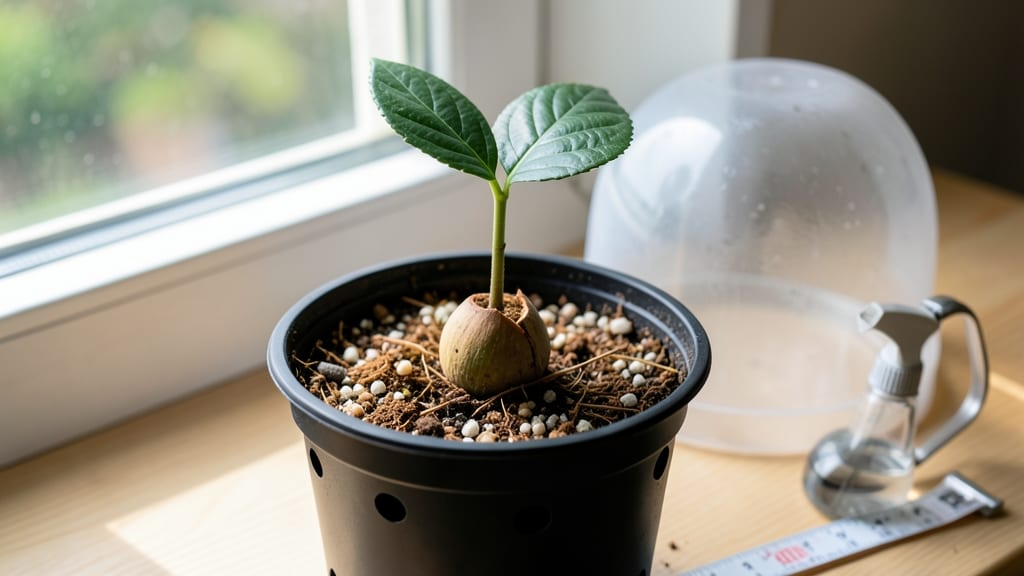
Put an avocado seed in dirt when its roots reach 2–3 inches—that’s the sweet spot for sprouting success without risking rot.
Growing an avocado tree from a seed is a rewarding project—but timing is everything. Plant too early, and you risk rot; too late, and your seed loses its potential. Here’s the exact science behind when to transfer your avocado seed into soil for the best chance at sprouting success.
For Zone 6 growers, aim for March–April after the last frost, while tropical climates (like Zones 9b/10a) can plant year-round. The key is waiting until roots are established—no need to rush.
In this guide, you’ll learn how to check root readiness, the best soil mix for drainage, and how to avoid common pitfalls that kill young avocado seedlings.
How long to wait before planting an avocado seed in dirt
Planting an avocado seed too soon can drown its delicate roots, while waiting too long risks stunted growth. The key is watching for 2–3 inch roots—a clear sign your seedling is ready to transition from water to soil.
This 2–4 week window is critical for success, and I’ll show you exactly how to time it right.
Most avocado seeds take 2–8 weeks to germinate, depending on temperature and seed freshness. Once sprouted, focus on root development rather than shoot growth. Healthy roots mean your seedling can handle soil’s drier conditions, while weak roots will struggle to adapt. Here’s how to tell when it’s time.
- 1 Root Length Check: Wait until roots reach 2–3 inches. Measure from the seed’s base—this signals root strength for soil transition.
- 2 Moisture Balance: Roots should be firm, not mushy. Gently squeeze—if water drips, wait 1–2 more days to reduce transplant shock.
- 3 True Leaves: Look for second-stage leaves (not the initial cotyledons). These indicate the seedling can photosynthesize independently.
- 4 Stem Stability: The stem should stand upright when lifted. Weak stems (bending easily) mean it’s not ready for soil stress.
Temperature plays a hidden role in this timeline. In Zone 6 (cooler climates), roots grow slower—expect a 3–4 week wait. Meanwhile, Zones 9b–10a (tropical climates) can see roots ready in just 10–14 days due to faster metabolism. Always prioritize root length over calendar time.
Overwatering during the root-growth phase is the #1 mistake. Your seed should float in lukewarm water (not submerged), changed every 2–3 days. Stagnant water breeds mold, while too-dry conditions stunt roots. Aim for a moist-but-not-soggy balance—roots should glisten but not drip when touched.
Light exposure also affects readiness. Place your seedling near a south-facing window or under grow lights (12–14 hours/day). Weak light slows root growth, while direct sun can scorch young shoots. If leaves yellow or wilt, it’s a sign to adjust lighting before planting.
Once roots hit 2–3 inches, act fast—delaying beyond 4 weeks risks root circling (when roots coil tightly, choking growth). Use a well-draining potting mix (50% perlite or coconut coir) to mimic outdoor conditions. The first week after transplanting is critical—keep soil consistently moist but avoid waterlogging.
Pro tip: Use a clear container to monitor root progress. When roots fill the bottom 25–30% of the jar, it’s time to plant. This visual cue removes guesswork. For extra security, trim any roots longer than 3 inches before planting—they’ll regrow stronger in soil.
Remember, avocado seedlings are notoriously slow to mature. Planting at the right stage maximizes your chances of a healthy, 5–10 year old tree—not a sad, stunted houseplant. Patience now pays off in lush foliage and future fruit potential (though grafted trees are needed for actual avocados!).
Step-by-step guide to transplanting your avocado seed correctly
Once your avocado seed sprouts roots reaching 2–3 inches, it’s time to transplant into soil. The goal is to minimize shock while preventing fungal rot—a common killer of young seedlings. Start by choosing a 6-inch pot with drainage holes to replicate natural conditions.
Use a well-draining potting mix (50% cactus/succulent mix + 50% perlite or sand). Avocado seeds hate soggy soil, so drainage is non-negotiable. Avoid garden soil—it compacts and suffocates roots. Sterilize your pot with a 10% bleach solution if reused to kill pathogens.
Here’s the exact method to transplant without stressing your seedling:
After transplanting, keep the soil consistently moist but not soggy. Use a spray bottle for the first week to avoid disrupting the roots. If the stem turns black or mushy, you’ve overwatered—reduce frequency immediately.
True leaves (not the initial cotyledons) will appear in 4–6 weeks if conditions are ideal.
For Zone 6 growers, transplant in March–April after the last frost. In warmer climates (Zones 9b/10a), you can plant year-round. The key is patience—rushing leads to root rot, while waiting too long stalls growth. Monitor your seedling’s progress and adjust light/water as needed.
Pro tip: Label your pot with the transplant date. Tracking growth helps you spot issues early, like yellowing leaves (overwatering) or stunted stems (underwatering). With the right care, your avocado seedling will thrive and grow into a 10-foot tree in 3–5 years!