
Plants
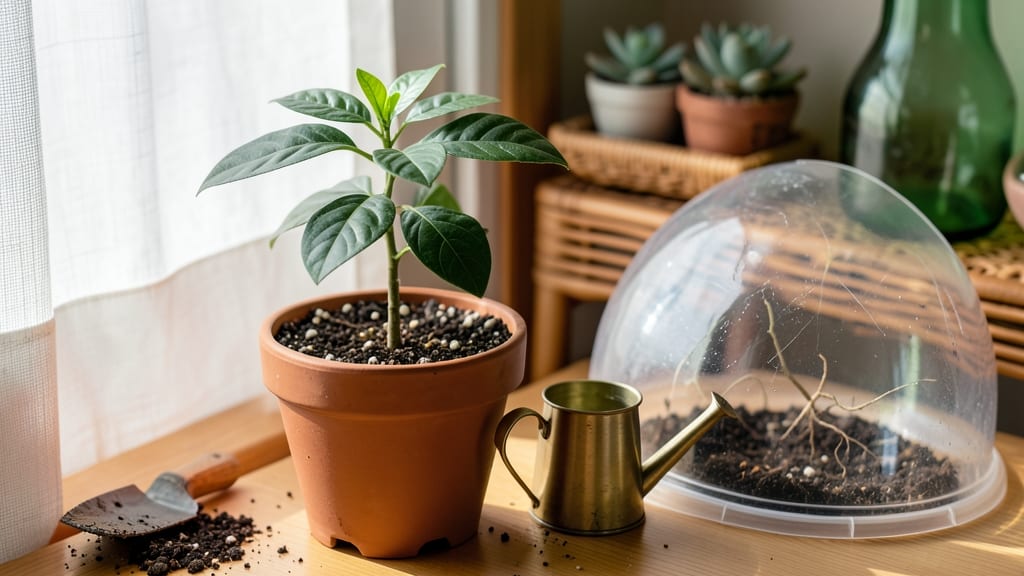
To plant an avocado seed in soil at the right time means the difference between a thriving young tree and a seed that rots in the pot.
Growing an avocado 🥑 from a seed is a rewarding project—but timing is everything. Plant too early, and your seed risks rotting; too late, and germination slows dramatically. Here’s the exact science-backed window for planting avocado seeds in soil, tailored to your USDA hardiness zone.
In warmer zones like 9-11, you can plant year-round, but the best months for most gardeners are late spring or early fall. That’s when soil temperatures hit the 70-85°F sweet spot for germination. In cooler zones (6-8), wait until after the last frost—typically March-April or September-October.
Below, I’ll break down the exact timing for your zone, how to prep your seed for planting, and the critical signs that tell you it’s time to move it outdoors. No guesswork—just results.
Best months to plant avocado seeds by USDA hardiness Zones
Avocado seeds thrive when planted during their optimal soil temperature range of 70-85°F. This means your USDA hardiness zone dictates the perfect window to start planting—whether indoors or outdoors.
In Zones 9-11, you can plant year-round, while gardeners in Zones 6-8 must time planting carefully to avoid frost damage. Let’s break down the best months for each zone and how to adjust for indoor starts.
For Zones 9-11, avocado seeds can be planted anytime since frost is rare. However, spring (March-May) and fall (September-November) offer ideal conditions with consistent warmth and moisture. In Zones 7-8, aim for late spring (May-June) or early fall (September-October) to avoid early or late frosts.
Gardeners in Zones 6 and below should start seeds indoors in February-March and transplant outdoors only after the last frost date.
The key to success is soil temperature, not just air temperature. Use a soil thermometer to confirm your soil is at least 70°F before planting outdoors. If your soil is cooler, wait or start seeds indoors under grow lights.
For indoor starts, February-March is ideal—this gives seedlings time to develop roots before warmer months arrive.
Here’s a quick reference for your zone:
If you’re in a cooler zone (6 or below), starting seeds indoors in February-March gives them a head start. Use a south-facing window or grow lights to maintain 6+ hours of light daily.
Once soil warms to 70°F and nighttime temps stay above 50°F, transplant seedlings outdoors. Harden them off for 7-10 days by gradually exposing them to outdoor conditions.
For Zones 7-8, outdoor planting in late spring (May-June) aligns with soil warming trends. Avoid planting in early spring—even if air temps rise, cold soil will stunt germination.
If you miss the spring window, September-October is your next best bet before winter sets in. Use black plastic mulch to warm soil faster if needed.
In Zones 9-11, where frost is rare, you can plant anytime. However, spring and fall still offer the best balance of warmth and moisture. If you’re in a hot, dry climate, plant in early fall to avoid summer heat stress.
Always ensure your soil stays consistently moist but well-draining—avocado seeds rot quickly in soggy conditions.
Pro tip: If your zone’s soil stays below 70°F for months, consider using a heat mat for indoor starts. Place your seed in a well-draining mix (50% perlite, 50% potting soil) and keep it warm and humid until sprouts appear. This mimics tropical conditions and speeds up germination.
Remember, patience is key—avocado seeds can take 4-8 weeks to germinate. Monitor soil moisture closely and avoid overwatering, which is the #1 killer of young avocado seedlings. With the right timing and care, you’ll be on your way to growing a thriving avocado tree in no time! 🌱
How to prep avocado seeds for planting: step-by-step germination timeline
Prepping an avocado seed for planting starts with soaking and the toothpick method, both critical steps to kickstart germination. First, clean your seed by removing any flesh remnants—this prevents mold.
Then, place 3-4 toothpicks around the seed’s middle, balancing it over a glass of water. The bottom half should sit in water while the top stays dry.
Keep the water level consistent—never submerge the entire seed, or it’ll rot. Change the water every 2-3 days to prevent bacterial growth. Within 7-14 days, you’ll see a white root emerge, signaling it’s ready for soil. This root can grow 1-2 inches before planting, so monitor closely.
⚠️ callout warning ⚠️
🚨 When to Plant Avocado Seed in Soil: Critical Timing
Plant your seed in soil only when:
- 🌱 Root reaches 1-2 inches (too early = rot; too late = stunted growth)
- 🌡️ Soil temp is 70-85°F (use a soil thermometer in cooler zones)
- 🌿 No black/mushy spots on the seed (sign of rot—discard immediately)
Pro Tip: In Zones 6-8, wait until after last frost (May-June) to avoid cold shock.
Once your seed has a healthy 1-inch root, it’s time to plant. Use a well-draining mix of potting soil and perlite (50/50 ratio) to prevent soggy roots. Fill a 6-inch pot with the mix, then place the seed at a 45-degree angle, burying half of it.
Gently press the soil around it to secure the seed without compacting.
The germination timeline varies but typically takes 4-8 weeks. In the first 2 weeks, focus on keeping the soil moist but not soggy. Use a spray bottle to mist the soil daily—overwatering is the #1 killer of avocado seeds.
Place the pot in bright, indirect light (like a south-facing window) to encourage growth.
After 3-4 weeks, you may see a sprout emerge from the top. This is your cue to increase sunlight gradually—move the pot to a sunny spot (6+ hours of light) over 5-7 days.
Avoid direct midday sun initially, as young seedlings are sunburn-prone. Once the sprout reaches 6 inches, it’s ready for a larger pot or outdoor planting (if temperatures are ideal).
Monitor for rot vs. healthy growth: A blackened seed or foul smell means rot—remove it immediately. Healthy roots are white and firm, while sprouts should be green and upright. With patience and the right conditions, your seed will grow into a 3-foot sapling in its first year!