
Plants
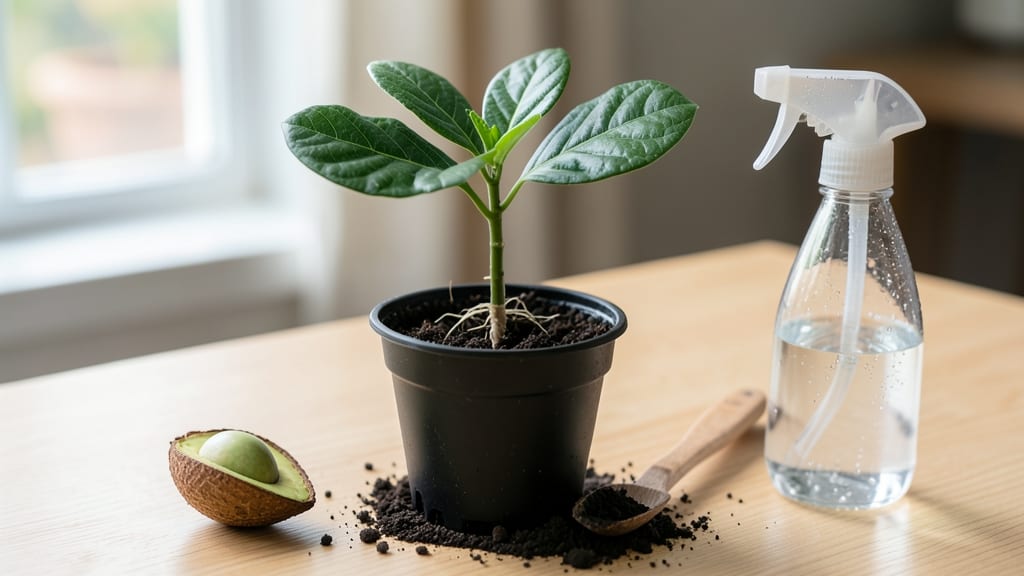
To plant an avocado seed in dirt at the right time means catching it when soil temperatures hit 70°F or warmer—any earlier, and your seed risks rotting before it sprouts.
Growing an avocado tree from a seed is a rewarding project—but timing is everything. Plant too early, and your seed may rot; too late, and it could dry out before sprouting. Here’s the exact germination timeline you need to follow based on your climate zone.
In Zone 6a, where spring arrives late, wait until mid-May when nighttime temps stay above 55°F. Warmer zones like Florida or California can start as early as February, but the key is soil warmth, not just calendar dates.
Below, I’ll break down the signs your seed is ready for dirt, how to harden it off, and the post-planting care that keeps your young 🥑 thriving through its first critical months.
Optimal planting times for avocado seeds by USDA climate zone
Avocado seeds thrive in warm climates, but your USDA zone determines the best time to plant them directly in soil. In zones 8-11, timing varies dramatically—from spring in cooler areas to year-round in tropical regions.
The key is soil temperature: seeds need at least 65°F (18°C) to germinate successfully, with ideal conditions between 70-85°F (21-29°C). Let’s break down the exact windows for each zone to avoid common pitfalls like rot or delayed sprouting.
For USDA zones 8-9, the sweet spot is late spring to early summer (April through June). These temperate zones experience mild winters but still need to wait until frost risk passes.
In zone 10, you can start as early as February, while zone 11 offers year-round planting flexibility. Always monitor soil moisture—overwatering seeds in cold soil will suffocate them before germination.
| USDA Zone | Optimal Planting Window | Soil Temp Threshold (°F) | Seasonal Adjustments |
|---|---|---|---|
| 8 | Late April–June | 65°F+ (18°C+) | Wait for last frost; use mulch to retain heat. |
| 9 | March–May | 68°F+ (20°C+) | Avoid summer heatwaves; plant in partial shade if needed. |
| 10 | February–April | 70°F+ (21°C+) | Can plant year-round but best in spring for faster growth. |
| 11 | Year-round | 75°F+ (24°C+) | Avoid monsoon season (heavy rains); use elevated beds. |
In USDA zone 8, where winters can dip below freezing, I recommend planting after April 15th—this aligns with the average last frost date in most areas. Use a soil thermometer to confirm temperatures stay above 65°F (18°C) for at least a week before planting.
If your zone 8 area has microclimates (like urban heat islands), you might plant 2-3 weeks earlier in warmer pockets.
For zones 10 and 11, the rules relax significantly. In zone 10, February is ideal because it avoids the hottest summer months, which can stress young seedlings.
Meanwhile, zone 11 gardeners enjoy the luxury of planting anytime, but I still recommend spring or fall to take advantage of moderate humidity and reduce fungal risks. Pro tip: In tropical zones, shade cloth can protect seedlings from intense afternoon sun during germination.
One common mistake is assuming "warmer = better" for planting. While zone 11 can plant year-round, summer planting in zone 9 might lead to heat stress if soil temperatures exceed 90°F (32°C).
Always check soil moisture with your finger—it should feel like a wrung-out sponge, not soggy or bone-dry. Adjust your watering schedule based on rainfall patterns in your area.
Hardening off your avocado seedling before transplanting is non-negotiable. If you’re in zone 8 or 9, start hardening off 2 weeks before your target planting date. For tropical zones, this process can be shorter (5-7 days), but still critical to prevent transplant shock.
Gradually expose seedlings to direct sunlight and outdoor temperatures by moving them outside for 1-2 hours daily, then increasing time incrementally.
Post-planting, focus on mulching to retain moisture and regulate soil temperature. A 2-3 inch layer of organic mulch (like shredded bark or straw) works best. In zone 11, mulch also helps protect roots from intense heat.
Avoid synthetic mulches—they can overheat soil in tropical climates. Water deeply 2-3 times per week for the first month, then taper to weekly deep waterings once established.
Remember, avocado seeds are sensitive to cold, even in higher zones. If a late frost is forecasted, cover young seedlings with frost cloth
Signs your avocado seed is ready for soil (and when to Avoid planting)
Your avocado seed has spent weeks soaking and sprouting in water, but now comes the critical question: when to plant avocado seed in dirt? The answer lies in three key indicators—root development, sprout strength, and moisture balance.
Ignoring these signs can lead to root rot or stunted growth, so let’s break down what to look for before making the move.
First, check for roots 2-3 inches long. Healthy roots should be white or pale tan, not mushy or brown. If roots are sparse or under 1 inch, wait another week—they need more time to establish before handling.
Meanwhile, your seedling should have 1-2 sturdy leaves with a vibrant green hue, signaling it’s ready to transition from water to soil.
Next, examine the sprout’s stem. A ready seedling will have a thick, upright stem (about 1/4-inch diameter) that can support itself without toppling. If the stem is thin or floppy, it’s not strong enough for soil yet.
Also, ensure the leaves aren’t yellowing—this could mean overwatering or nutrient deficiency, both red flags for premature planting.
⚠️ WARNING: When NOT to Plant Your Avocado Seed
Overwatered seeds: If your seed’s roots smell sour or look waterlogged, it’s drowning. Let it dry out for 2-3 days before replanting.
Fungal growth: Black or white moldy spots on roots or leaves mean fungal infection. Discard the seed and sterilize your container.
Dry, brittle roots: Roots that crumble when touched have lost moisture. Soak the seed again for 1-2 days before attempting to plant.
Moisture levels are another critical factor. Before planting, the soil mix should feel slightly damp—like a wrung-out sponge. If it’s bone-dry, your seedling will shock.
Conversely, if the soil stays soggy for days, roots will suffocate. A well-draining cactus or potting mix (with perlite) is ideal for avocado seedlings.
Timing also depends on your climate zone. In USDA Zones 8-11, transplant outdoors after the last frost when soil temps stay above 60°F. For cooler zones (6-7), wait until late spring or grow indoors until summer.
Harden off your seedling by placing it outside for 2-3 hours daily for a week before full transplantation.
Finally, trust your seedling’s resilience. If it’s growing new leaves weekly and roots are dense and white, it’s ready. But if you spot wilting, brown tips, or slow growth after planting, you’ve moved too soon. Patience here ensures your avocado tree thrives—not just survives.