
Size
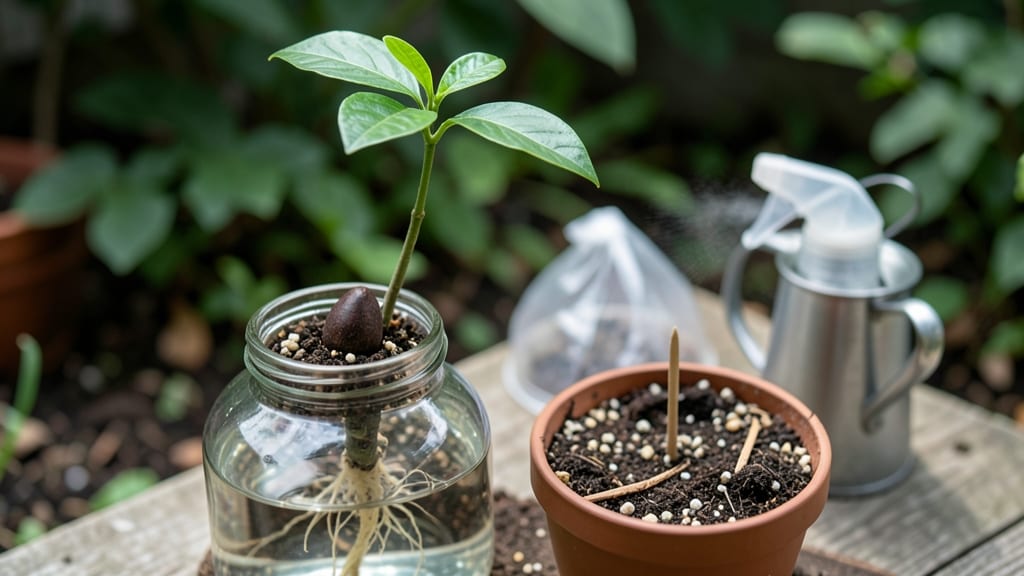
Growing avocado seeds in dirt feels like nurturing a tiny tropical dream. 🌱 I’ve watched kitchen scraps become towering houseplants, and the secret isn’t magic—it’s patience, the right soil, and a sunny spot.
Your seed will sprout roots first, then leaves, and with care, it could grow into a 20-foot tree indoors. Start with a pot at least 6 inches deep, filled with well-draining potting mix. Avocado seeds hate soggy soil, so add perlite or sand to keep it airy.
Water just enough to moisten the soil—too much drowns the roots, too little stunts growth. Place it near a bright window (south-facing is ideal) where it gets 6-8 hours of light daily. Within 4-6 weeks, you’ll see roots and leaves.
That’s when the real work begins—pruning, repotting, and troubleshooting yellow leaves (usually overwatering). The first year is slow, but by year two, your plant could bloom. Yes, it might never bear fruit indoors, but the journey is worth it. This method works for any kitchen counter, balcony, or sunroom.
The key is consistency—avocados reward steady care with lush, glossy foliage. Let’s get that seed growing!
📚 In This Guide
- What you need
- Instructions
- Tips and common mistakes
- Wrapping up and next steps
What you need
- ● Avocado seed: 1 fresh, healthy seed (preferably from an organic avocado to avoid chemicals). Pro tip: 💡 Choose a seed with a thick, firm pit—it’s more likely to sprout!
- ● Well-draining potting mix: 1 bag (1–2 cubic feet) of a lightweight, airy blend (e.g., cactus/succulent mix or 50% potting soil + 50% perlite/sand). Why? Avocado roots hate soggy soil!
- ● Small pot or container: 1–2 (6–8 inches in diameter) with drainage holes. Options: Plastic nursery pots, terracotta, or even a repurposed coffee can with holes drilled in the bottom.
- ● Water: Room-temperature, filtered or distilled (tap water with chlorine can stress the seed).
- ● Toothpicks or chopsticks: 3–4 (for balancing the seed during germination).
- ● Scissors or knife: 1 (to trim the seed if needed).
- ● Spray bottle: 1 (for gentle watering once sprouted).
- ● Seedling heat mat: 1 (keeps soil warm and speeds up germination—ideal for cooler climates).
- ● Fertilizer: Balanced liquid fertilizer (e.g., 10-10-10) or worm castings for young plants. When? Wait until the seedling has 2–3 true leaves before introducing nutrients.
- ● Humidity dome or plastic wrap: 1 (creates a mini greenhouse to retain moisture during germination).
- ● Grow lights: 1–2 LED bulbs (if your space lacks bright, indirect sunlight).
- ● Larger pot (10–12 inches): 1 (for transplanting once the seedling outgrows its starter pot).
- ● Mulch or pebbles: A handful (keeps soil moist and mimics tropical conditions).
Step-by-Step instructions for growing an avocado seed in soil
Turn that grocery store pit into a thriving houseplant with these simple, foolproof steps.
🌱 Step 1: Prepare the Avocado Seed for Planting
First, remove the seed from the avocado pit by slicing it lengthwise with a sharp knife. The seed sits inside the brown, leathery skin—carefully pry it out without damaging the smooth, dark exterior. Rinse the seed under warm water to remove any remaining fruit residue, then let it dry completely for about 1 hour.
Here's the thing—you don't need fancy tools. I like to use three toothpicks or small skewers to suspend the seed over a cup of water. Space them evenly around the middle, leaving the bottom half submerged in 1-2 inches of water. The toothpicks should hold it steady so the seed stays upright. Place the cup in a warm spot with bright, indirect light—a windowsill away from direct sun works best.
💧 Step 2: Wait for Roots and Sprout to Emerge
Keep the water level consistent—never let the seed dry out or sit in more than 2 inches of water. You'll see roots growing within 2-6 weeks, depending on temperature. I've seen some sprout in as little as 10 days if the room stays warm (70-80°F), while cooler spots can take up to a month.
Once roots reach about 2 inches long, you'll notice a small sprout emerging from the top. This is your signal to move to soil. The roots should be thick and white, not thin or brown—if they look mushy, start over with a fresh seed. Healthy roots mean your seedling is ready for its next phase.
🪴 Step 3: Plant the Seedling in Soil
Fill a 6-inch diameter pot with well-draining potting mix. I like to add a handful of perlite or sand to the mix to improve drainage—avocado roots rot easily if they sit in soggy soil. Make a small hole in the center, about 1 inch deep, and gently place the seedling in so the roots are covered but the sprout remains above soil level.
Press the soil lightly around the seedling to secure it, then water thoroughly until water runs out the drainage hole. Place the pot in a spot with bright, indirect light—a south or east-facing window is ideal. Avoid direct sun at first; it can scorch the tender new leaves. You'll see the first true leaves emerge within 2-4 weeks.
☀️ Step 4: Care for Your Growing Avocado Tree
Water your avocado seedling when the top 1 inch of soil feels dry. Stick your finger in the soil—if it's dry past your first knuckle, it's time to water. Overwatering is the #1 killer of young avocado plants, so always let excess water drain away completely. A saucer under the pot helps catch runoff, but empty it after 10 minutes to prevent root rot.
Rotate the pot a quarter turn weekly so the plant grows straight and doesn't lean toward the light. Once your avocado has 6-8 leaves, you can fertilize lightly with a balanced, water-soluble fertilizer diluted to half strength. Feed every 4-6 weeks during the growing season (spring and summer) to encourage strong, healthy growth.
✂️ Step 5: Prune and Support as It Grows
When your avocado reaches about 18 inches tall, it's time to prune. Pinch off the top set of leaves to encourage bushier growth—this helps the plant develop a stronger structure. Use clean, sharp scissors to make the cut just above a leaf node. You'll notice new side shoots forming within a few weeks, which will give your tree a fuller shape.
Avocado trees can grow quite tall indoors, so consider staking it once it reaches 2 feet. Use a small bamboo stake or wooden dowel tied loosely to the main stem with soft plant ties. This prevents the plant from toppling over as it grows. With proper care, your avocado seedling could live for years—some even produce fruit, though it may take a decade or more!
Tips & tricks for growing avocado seeds in soil
Here's what nobody tells you about transforming that grocery store pit into a thriving houseplant.
Water Level Wisdom: In Step 2, maintaining that 1-2 inch water level is crucial—too little and the seed dries out, too much and it rots. I like to use a clear cup so I can easily monitor the water level without disturbing the seed. If the water gets cloudy or smells funky, it's time for a fresh change, even if the roots are still growing.
Root Health Check: When your roots reach 2 inches in Step 2, inspect them closely before planting. Healthy roots should be thick, white, and firm to the touch—if they're brown or mushy, your seedling isn't ready. I've had to start over twice because I rushed this step. Patience here prevents future problems.
Soil Mix Secret: In Step 3, that 6-inch pot with well-draining mix is non-negotiable. I add one part perlite or sand to three parts potting soil to prevent waterlogging. Avocado roots are particularly sensitive to soggy conditions, so this extra drainage layer makes all the difference in preventing root rot.
Light Rotation Strategy: The weekly quarter-turn rotation in Step 4 isn't just about straight growth—it's also a way to expose all sides of your plant to light evenly. I set a timer on my phone to remind me every Sunday morning. This prevents that classic "leggy" growth where the plant stretches toward the light source.
Pro Tips for Grow An Avocado Seed In Dirt
- Here's what nobody tells you about transforming that grocery store pit into a thriving houseplant.
- Water Level Wisdom: In Step 2, maintaining that 1-2 inch water level is crucial—too little and the seed dries out, too much and it rots.
- Root Health Check: When your roots reach 2 inches in Step 2, inspect them closely before planting.
Frequently asked questions
Got questions about growing an avocado seed in dirt? You’re not alone—this fun experiment sparks curiosity! Here are answers to the most common queries to help you succeed.
How long does it take for an avocado seed to grow into a tree?
Patience is key! A seedling may sprout roots in 2–6 weeks, but it can take 5–13 years to bear fruit. Early growth is slow, so focus on nurturing strong roots and leaves first.
Can I grow an avocado seed in water forever, or do I need to plant it in dirt?
While you can keep roots in water for months, planting in soil is critical for long-term growth. Roots need oxygen and nutrients dirt provides. Once roots reach 2–3 inches, transfer to a pot with well-draining soil to avoid rot.
What kind of soil is best for an avocado seedling?
Use a light, airy mix like cactus/succulent soil blended with perlite or sand. Avocados hate soggy roots, so ensure drainage. A slightly acidic pH (6.0–7.0) works best. Repot every 1–2 years as it grows!
Why is my avocado seed turning brown or moldy in water?
Brown/moldy spots mean rot from overwatering or bacteria. Rinse the seed in hydrogen peroxide (1 part to 10 parts water) and refresh the water. Keep only 2–3 inches of root submerged and avoid tap water (use filtered or distilled).
Can I grow an avocado tree indoors year-round?
Yes! Avocados thrive indoors with bright, indirect light (south/west windows) and humidity (mist leaves or use a pebble tray). Move outdoors in summer if temps stay above 50°F (10°C). Avoid drafts—consistent warmth is key!
Wrapping up and next steps
Growing an avocado seed into a thriving plant is a rewarding journey that blends patience with simple care! 🌱 With the right soil, sunlight, and love, you’ve got a chance to nurture a tropical tree right from your kitchen counter—or even transplant it outdoors.
Once your seedling reaches 12–18 inches tall, consider moving it to a larger pot or garden bed to give it room to flourish.
Ready to watch your tiny seed transform into a lush, leafy avocado tree? Start today—your future harvest (or just the joy of greenery!) is waiting. 🌟