
Plants
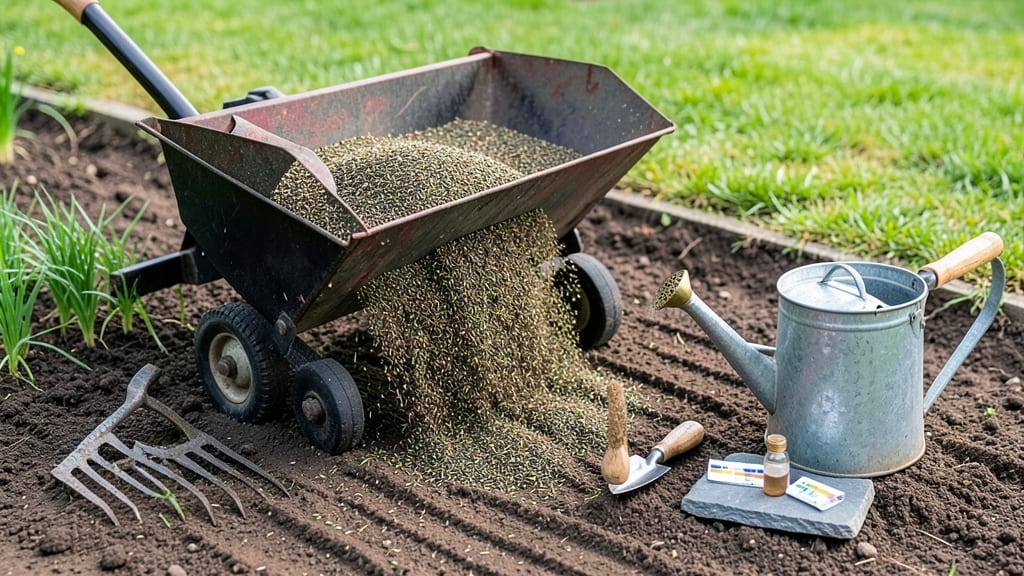
Planting grass seed in Wisconsin at the right time means the difference between a lush, heat-resistant lawn and a patchy, struggling mess.
Wisconsin’s unpredictable spring weather can make or break your lawn—planting grass seed at the wrong time leads to weak growth, while timing it perfectly ensures a lush, heat-resistant lawn by summer.
Most gardeners in USDA zones 4a-6b should aim for late spring, once soil temperatures hit 50°F and stay there, but the exact window shifts from northern to southern Wisconsin.
Below, I’ll break down the best planting months by region, how to prep your soil for late-spring heat, and the top grass seed varieties that thrive when planted at the right time.
Wisconsin grass seed planting timeline: best late spring months for heat-resistant root growth
Timing your grass seed planting in Wisconsin is everything—especially when aiming for heat-resistant root growth. Late spring offers the perfect balance between soil warmth and moderate temperatures, but missing the window can leave your lawn struggling under summer heat.
In USDA Zones 4a-6b, the difference between northern and southern Wisconsin creates distinct planting zones, each with ideal soil temperature thresholds.
Southern Wisconsin (like Madison or Milwaukee) typically warms faster, allowing late May to early June planting, while northern areas (Green Bay or Eau Claire) benefit from late April to early May timing.
The key is waiting until soil temperatures reach 50°F (10°C) at 4 inches deep—this ensures strong germination before summer heat sets in. Waiting too long risks drought stress, while planting too early can lead to frost damage.
| Region | Best Planting Window | Soil Temp Threshold | Heat Risk |
|---|---|---|---|
| Southern WI (Madison, Milwaukee) | Late May - Early June | 50-55°F (10-13°C) | High (July-August) |
| Northern WI (Green Bay, Eau Claire) | Late April - Early May | 45-50°F (7-10°C) | Moderate (June-July) |
| Central WI (Waukesha, Oshkosh) | Early May - Mid-May | 48-52°F (9-11°C) | Moderate-High |
Late-spring heat can actually boost root growth if seedlings establish before temperatures exceed 85°F (29°C). However, drought stress becomes a major threat after germination. I’ve seen lawns planted in mid-June wither under Wisconsin’s July heatwaves—even with daily watering.
The solution? Choose heat-tolerant varieties like Tall Fescue or Buffalo Grass, which thrive in 90°F+ conditions once roots are established.
For accurate timing, use a soil thermometer—plant when temps consistently stay above 50°F (10°C) for 5+ days. This ensures seeds germinate within 7-14 days rather than languishing in cold soil. Pro tip: Morning planting (between 8-10 AM) reduces evaporation stress during Wisconsin’s famously dry late springs.
Always water lightly twice daily (morning and evening) for the first 2 weeks to keep soil consistently moist.
Another critical factor is rainfall patterns. Southern Wisconsin often sees dry spells in June, while northern areas may experience unpredictable downpours. If natural rain fails, schedule deep watering (1-1.5 inches) 2-3 times per week until seedlings reach 3 inches tall.
Overwatering is just as harmful—it can drown roots or promote fungal diseases like brown patch, which thrives in humid Wisconsin summers.
If you miss the late-spring window, don’t panic—early fall planting (late August) is almost as effective. Fall-cooled soil and consistent autumn rains create ideal conditions for deep root establishment before winter. However, late-spring planting gives your lawn a 3-4 week head start for summer color.
For best results, test soil pH (6.0-7.0) and add compost 2 weeks before seeding to improve nutrient uptake during heat stress.
Common mistakes include planting too late in June (when heat outpaces root growth) or skipping soil prep (compacted soil = poor germination). I’ve restored lawns where homeowners rushed planting after Memorial Day—only to watch seedlings brown by July 4th.
The fix? Rake soil to 1-2 inches deep and remove thatch to ensure direct seed-to-soil contact. A light starter fertilizer (high phosphorus) at planting time also doubles root depth within 30 days.
For heat-resistant success, pair late-spring planting with mulch (straw or peat moss) to retain moisture. This is especially crucial in southern Wisconsin’s clay soils, which dry out quickly. Mulch also blocks weeds that compete with young grass for water.
After 6 weeks, gradually reduce watering to 1 inch per week to strengthen drought tolerance—a must for surviving Wisconsin’s 90°F+ heatwaves.
Remember: Patience is key. Grass planted in late spring may take 6-8 weeks to fully establish, but the heat-resistant roots you develop now will keep your lawn green through August.
Avoid the temptation to over-fertilize early—this encourages top growth over roots, making grass more vulnerable to summer stress. Instead, focus on consistent moisture and proper variety selection to outsmart Wisconsin’s unpredictable climate.
How to prepare Wisconsin soil for grass seed in late spring: avoiding common mistakes
Late spring in Wisconsin brings warmer soil temperatures and longer daylight, but it also means unpredictable heatwaves that can stress young grass seedlings. Proper soil preparation is the key to ensuring your new lawn thrives despite these challenges.
Before planting, focus on three critical steps: testing soil pH, removing weeds, and improving drainage. Skipping any of these can lead to poor germination or weak grass growth, especially when seedlings face late-spring heat.
⚠️ callout warning ⚠️
Planting grass seed in Wisconsin after May 15th risks heat stress before roots establish. Seedlings need 4-6 weeks to develop strong roots—if temperatures exceed 85°F, germination drops by 50%. Always check soil temps with a soil thermometer before planting.
Start by testing your soil’s pH level—ideal for grass is between 6.0 and 7.0. Use a home test kit or send a sample to your local UW Extension office.
If your soil is too acidic or alkaline, amend it with lime (to raise pH) or sulfur (to lower pH) at least 4-6 weeks before planting.
Next, remove existing weeds using a combination of manual pulling and pre-emergent herbicide. Focus on broadleaf weeds like dandelions and clover, which compete aggressively for nutrients. For stubborn grassy weeds, consider a non-selective herbicide like glyphosate, but apply it 2-3 weeks before planting to avoid damaging seedlings.
Loosen the soil to a depth of 4-6 inches using a tiller or garden fork. This helps roots penetrate easily and improves water absorption. After tilling, rake the area to create a smooth, seed-friendly surface.
If your soil is heavy clay, mix in 2-3 inches of compost to improve drainage and nutrient content.
To protect seedlings from late-spring heat, water deeply twice daily—once in the early morning and once in the late afternoon. Use a light mulch layer (like straw) to retain moisture and shield young grass from intense sun.
Avoid overwatering, as soggy soil can lead to fungal diseases like brown patch.
Finally, choose a shade cloth or temporary row cover if your area experiences sudden heat spikes. These provide 30-50% shade while still allowing sunlight for photosynthesis. Remove the cover once seedlings reach 2-3 inches tall to encourage stronger growth.