
Plants
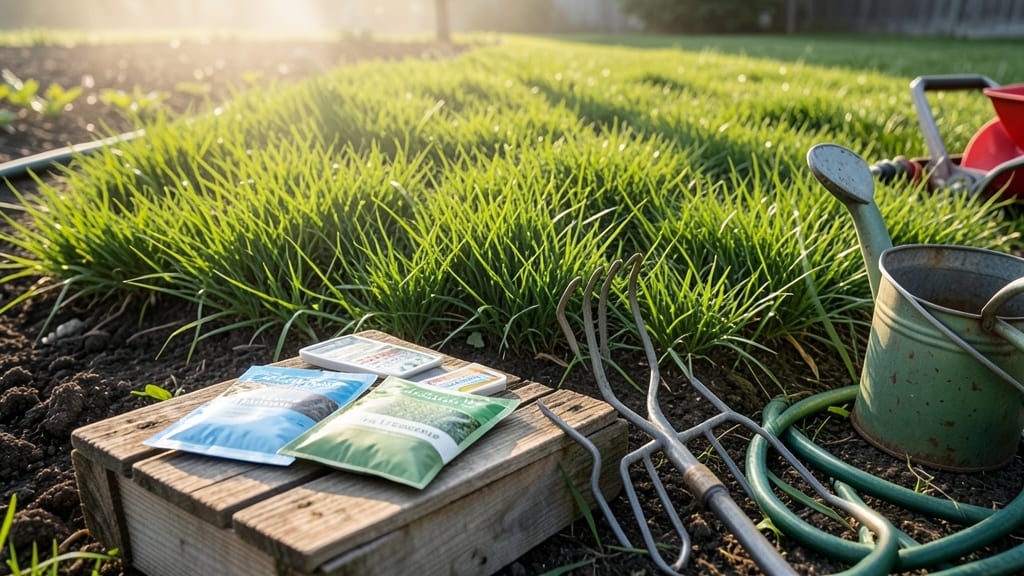
Planting grass seed in Wisconsin spring means waiting for soil temperatures to hit 50°F and 2-3 weeks after the last frost—usually late April to mid-May.
Timing your grass seed planting in Wisconsin’s unpredictable spring can mean the difference between a lush lawn and wasted effort—get it wrong, and you’ll battle frost, weeds, or slow germination.
Wisconsin’s USDA zones 4a-6b bring frost risks until mid-April, so rushing too early can leave new seedlings vulnerable. Meanwhile, waiting too long risks summer heat stress before roots establish.
Below, I’ll break down the exact soil and weather cues to plant, plus the best grass varieties for your zone and how to prep soil for germination success.
Wisconsin spring planting Zones: when soil warms enough for grass seed
Wisconsin's USDA Zones 4a-5b create unique challenges for spring grass seeding—cool soils and late frosts can stall germination if you plant too early. The key is waiting until your soil temperature consistently stays above 50°F (10°C) for at least 5 days, combined with knowing your last frost date.
Northern Wisconsin (Zones 4a-4b) typically waits until late May, while southern regions (Zones 5a-5b) can start as early as mid-April.
For most Wisconsin lawns, the ideal planting window falls between late April and mid-May, but this varies by microclimate. Urban areas like Madison often warm faster than rural northern counties, so always check your local frost-free averages.
Planting too soon risks frost damage to tender seedlings, while waiting too long can lead to weed competition and dry soil conditions.
Soil temperature is more critical than calendar dates—most grass seeds need 50-55°F (10-13°C) soil temps to germinate properly. Use a soil thermometer to test at 2-inch depth. If your soil is still below 50°F, even if frost risk has passed, your seeds may sprout unevenly or fail entirely. This is especially true for cool-season grasses like Kentucky Bluegrass, which dominate Wisconsin lawns.
Southern Wisconsin gardeners in Zones 5a-5b often enjoy a 2-3 week advantage over their northern counterparts. For example, Madison typically sees its last frost around April 20, while Green Bay in Zone 4a may not be frost-free until May 15.
Always add 2-3 weeks to your local frost-free date to account for soil warming—this buffer ensures your seeds won't be nipped by surprise cold snaps.
If you're planting in northern Wisconsin, consider using a seed blanket or row covers to protect young seedlings from late frosts. These microclimate protectors can extend your planting window by 10-14 days while maintaining the 50°F soil temperature requirement.
For southern Wisconsin, focus on early spring soil prep—tilling in compost and removing winter weeds will give your grass a competitive edge before seeding.
One common mistake Wisconsin gardeners make is relying on air temperature rather than soil temperature.
A warm April day might fool you into thinking it's safe to plant, but if your soil is still below 50°F, germination will be slow and inconsistent. Test your soil at 2-inch depth in the morning—this is when temps are most stable and accurate.
If you're unsure, wait until you've seen 5 consecutive days above 50°F.
For cool-season grasses like Kentucky Bluegrass and Fine Fescue, which make up 80% of Wisconsin lawns, the late April to mid-May window is ideal. These grasses establish best when daytime temps are 60-70°F (15-21°C) and nights stay above 45°F (7°C).
If you miss this window, consider fall planting (late August to September), which offers similar success rates with cooler soil conditions.
Pro tip: Use a soil warming hack if you're eager to plant early. Lay down black plastic mulch over prepared beds 1-2 weeks before seeding—this can raise soil temps by 5-10°F and speed up warming.
Just remember to remove it before planting to avoid seed smothering. Pair this with a light straw mulch after seeding to retain moisture while allowing sunlight to reach the soil.
Remember that grass seed viability decreases after 12 months, so check your seed packet's expiration date before planting. Fresh seed germinates 2-3 times faster than old seed, giving
Signs your Wisconsin soil is ready (beyond the calendar)
Wisconsin’s spring weather can be a rollercoaster, making it tricky to rely solely on frost dates or calendars when deciding if your soil is ready for grass seed. While soil temperature and last frost dates are helpful, practical field tests give you real-time answers.
These simple tests—like the squeeze test and shovel test—reveal moisture levels, compaction, and lingering dampness that can delay germination.
Residual winter moisture is a common issue in Wisconsin’s clay-heavy soils. Even if the air feels warm, cold, damp soil can prevent seeds from sprouting. By testing your soil’s readiness, you avoid the heartbreak of planting too early and battling fungal diseases or uneven germination.
Let’s dive into the hands-on tests every Wisconsin gardener should master before seeding.
⚠️ callout warning
Cold, damp soil (below 50°F) can suffocate seeds. If your shovel test shows compacted or waterlogged layers, wait 1-2 weeks. Grass seed needs warmth (55-65°F) to germinate properly—don’t risk wasted seed or fungal growth. Check soil temp with a soil thermometer for accuracy.
The squeeze test is your first clue about soil moisture. Grab a handful of soil (about 2 inches deep) and gently squeeze it in your palm. If it holds its shape but crumbles when poked, your soil has the ideal moisture level for grass seed.
Too wet? It’ll ooze water or form a tight ball. Too dry? It’ll crumble instantly. Aim for a slightly damp feel—like a wrung-out sponge.
Next, perform the shovel test to check soil compaction. Dig a 6-inch-deep hole and observe the soil walls. If they crumble easily, your soil is loose and ready. But if the walls stay intact or feel hard, compaction is blocking root growth.
Break up the soil with a garden fork to improve aeration before seeding. Compacted soil also traps excess moisture, creating a fungal risk for new grass.
One of the trickiest signs to spot is residual winter dampness, which can lurk even after frost dates pass. Dig deeper (8-12 inches) and look for a shiny, slick layer—this is a telltale sign of trapped moisture.
If you see it, wait until the top 4 inches of soil dry out. A simple trick: press your finger into the soil. If it feels cool to the touch or leaves a damp imprint, hold off on planting.
Finally, pay attention to soil temperature trends. Use a soil thermometer (or a reliable weather app) to confirm temps stay above 50°F for 5+ days. Grass seed needs consistent warmth to germinate, and Wisconsin’s nights can still dip dangerously low.
Combine these tests with your local frost-free date (usually mid-April to early May) for the green light to plant.
When all three tests pass—ideal moisture, loose soil, and warmth—your Wisconsin soil is primed for grass seed.
Plant within the next 2-3 days to capitalize on the perfect conditions, and keep the soil consistently moist (not soggy) for the first 2-3 weeks to encourage strong root growth. 🌱