
Planting
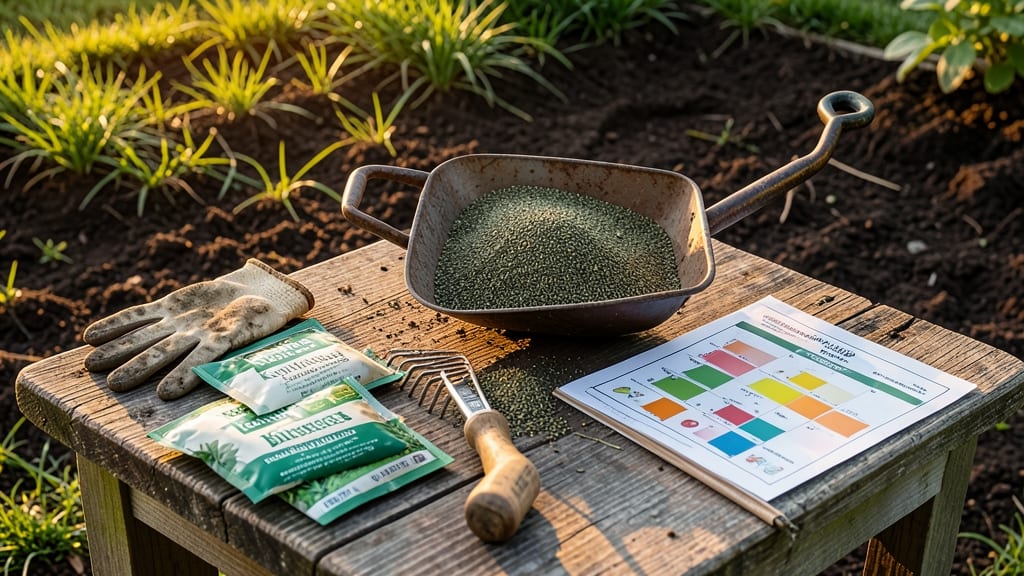
You can plant grass seed in Wisconsin as soon as the soil warms to 40°F in early spring or up to 6 weeks before the first frost in fall, but timing is everything for a thick lawn.
That means avoiding the late April frosts that can kill tender seedlings or the summer heat that stresses them before roots take hold. In my USDA Zone 4b yard, I’ve learned the hard way that planting too early means frost damage, and too late means weeds take over.
Wisconsin’s climate gives you two ideal windows: early spring (March–April) when soil thaws but before summer heat arrives, or early fall (September–October) when temperatures cool but before frost locks the soil. Both times, soil prep—like loosening compacted dirt and adding compost—is just as critical as the calendar.
Below, I break down the exact frost dates by region, the best grass types for your zone, and how to stretch your planting window with simple tricks like mulching or shade cloth. No more guessing—just a lush lawn that survives Wisconsin’s wild swings.
Wisconsin grass planting zones: when to plant by last frost dates
Wisconsin’s USDA planting zones 3-5 create dramatic differences in last frost dates, which directly impact your grass seed planting window. Northern regions like zone 3 (e.g., Superior) often see frosts until May 15, while southern areas like zone 5b (e.g., Milwaukee) typically thaw by April 15.
These variations mean your ideal planting time could shift by 4-6 weeks depending on location.
Cool-season grasses—like Kentucky bluegrass and tall fescue—thrive when planted 4-6 weeks before the average last frost date. This gives seedlings time to establish roots before summer heat arrives.
However, planting too early risks frost damage to tender sprouts, while waiting too long may lead to summer stress and poor germination.
Here’s how Wisconsin’s zones break down for grass seed planting, including microclimate adjustments and frost risk analysis:
For northern Wisconsin, aim to plant cool-season grass seed between late April and early May to avoid late frosts. In central zones (4a-4b), you can start as early as mid-April, but monitor forecasts—32°F nights can kill young seedlings.
Southern Wisconsin’s zone 5b offers the earliest window, with late March planting possible if soil temps stay above 40°F.
Fall planting is another optimal window for Wisconsin lawns. Seed 6 weeks before the first frost (typically mid-September to early October) to allow roots to establish before winter. This method reduces summer stress and often yields denser grass by spring. Just ensure soil temps stay above 50°F for germination.
Microclimates play a huge role. Urban areas like Madison or Milwaukee may warm 1-2 weeks earlier than rural zones due to heat islands. Conversely, lake-effect zones near Green Bay can experience delayed springs from cold air off Lake Michigan.
Always adjust your planting date by 1-2 weeks based on local conditions.
Use a soil thermometer to confirm readiness—ideal temps for cool-season grass are 50–65°F. If temps drop below 40°F, germination slows dramatically. Pair this with a frost-free date tracker (like the Old Farmer’s Almanac) to refine your schedule.
For warm-season grasses (like buffalo grass), wait until soil temps hit 65°F+, usually late May–June.
Remember: Watering consistency is critical after planting. New grass needs 1/2 inch of water weekly (or daily in dry spells) for the first 4-6 weeks.
In Wisconsin’s unpredictable spring, a drip irrigation system or soaker hose can save your lawn from uneven moisture caused by sudden rain or drought.
Pro tip: Test your soil 2-3 weeks before planting. Wisconsin’s clay-heavy soils (common in the north) benefit from compost amendments to improve drainage. Aim for a pH of 6.0–7.0—most grass seeds struggle below 5.5
Best grass seed varieties for Wisconsin’s climate and planting times
Choosing the right grass seed varieties for Wisconsin’s climate is key to a thriving lawn. The state’s cool-season climate (USDA zones 3-5) favors cool-season grasses, but some warm-season options can thrive in southern regions.
Timing matters too—planting too early risks frost damage, while late planting may stress seedlings. Let’s explore the best choices and their ideal planting windows.
For most of Wisconsin, cool-season grasses like Kentucky bluegrass, fine fescue, and perennial ryegrass are top picks.
These varieties establish quickly and handle Wisconsin’s cold winters and hot summers better than warm-season options. Buffalo grass, a native warm-season grass, is gaining popularity in southern Wisconsin for its drought tolerance and low maintenance.
Soil type also plays a role. Sandy soils drain quickly, so fine fescue or tall fescue retain moisture better. Clay soils benefit from Kentucky bluegrass, which spreads aggressively to fill gaps.
Northern Wisconsin’s shadier microclimates favor fine fescue or creeping red fescue, while southern areas with more sun can handle perennial ryegrass or buffalo grass.
| Variety | Best Planting Time | Drought Tolerance | Shade Performance | Soil Preference |
|---|---|---|---|---|
| Kentucky Bluegrass | Early spring (April) or fall (September) | Moderate (needs regular water) | Moderate (struggles in deep shade) | Well-draining, fertile |
| Fine Fescue | Early spring (March-April) or fall (August-September) | High (drought-resistant) | Excellent (thrives in shade) | Adaptable (sandy to clay) |
| Perennial Ryegrass | Early spring (April) or fall (September) | Low (needs consistent moisture) | Moderate (prefers sun) | Well-draining, fertile |
| Buffalo Grass | Late spring (May-June) | Very High (native drought-tolerant) | Moderate (better in sun) | Poor to average soils |
For spring planting, aim for 4-6 weeks before the last frost (typically mid-April in southern Wisconsin, early May in the north). Fall planting is ideal in September, giving grass time to establish roots before winter. Buffalo grass, a warm-season grass, should be planted in late spring (May-June) to avoid frost damage.
If you’re in a shady area, fine fescue or creeping red fescue are your best bets—they tolerate low light better than other varieties. For drought-prone regions, fine fescue or buffalo grass require less water once established.
Always test your soil pH (ideal: 6.0-7.0) and amend with compost if needed.
Once you’ve chosen your grass seed variety, prepare the soil by removing weeds, tilling to a depth of 3-4 inches, and leveling the area. After planting, keep the soil consistently moist (not soggy) for the first 4-6 weeks2-3 inches tall to prevent damage.