
Plants
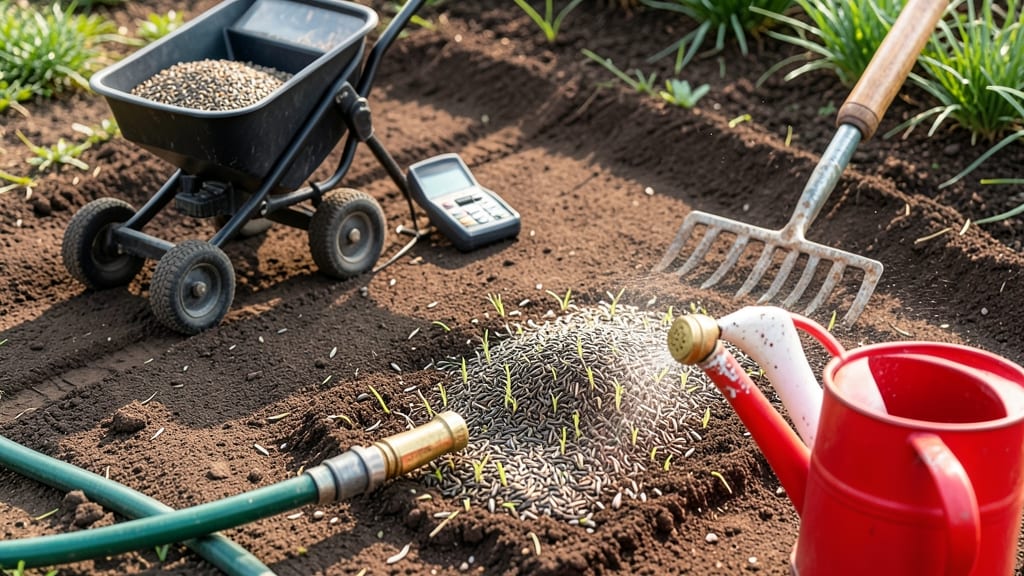
Planting grass seed in the spring when soil temperatures hit 50–65°F is the key to fast, even germination and a lush lawn.
Spring is the golden window for planting grass seed—but timing it wrong can mean sparse lawns and wasted effort. Learn the exact soil temperature triggers and regional planting schedules to ensure your grass takes root fast and stays lush all season.
Too early, and cold soil stunts growth; too late, and summer heat stresses young seedlings. The difference between a thick lawn and a patchy mess often comes down to soil prep and knowing your local frost dates.
Here’s how to read your climate zone, test soil warmth, and pick the perfect week to sow—so your grass sprouts strong and stays green all year.
Soil temperature rules for planting grass seed in spring
Spring is your best chance to grow a thick, vibrant lawn—but getting the soil temperature right is everything. Planting grass seed too early when the ground is still cold can leave it vulnerable to frost damage, while waiting too long risks summer heat stress.
The secret lies in understanding your grass type and local climate patterns to hit that 50-65°F sweet spot for germination.
Cool-season grasses like Kentucky bluegrass and fescue thrive when soil temps hover between 50-60°F, while warm-season varieties such as Bermuda and Zoysia need 65-75°F to take off.
Your first step? Check your local last frost date and adjust planting accordingly—most regions see ideal conditions 4-6 weeks before that final frost.
Don't guess—test your soil temperature with a simple soil thermometer (available for under $10). Stick it 2-3 inches deep for accurate readings, or use a DIY method: press your hand into the soil—if it feels cool but not freezing, it's likely in the right range.
Morning is the best time to check, as afternoon sun can skew readings higher.
Regional differences matter too. In Northern climates (USDA Zones 3-5), aim for early spring planting in March or April, while Southern zones (6-10) often see success with April or May sowing. Even within a state, microclimates can shift ideal timing by weeks—shady spots stay cooler longer than sunny patches.
| Grass Type | Ideal Soil Temp (°F) | Best Planting Window | Key Risk if Wrong |
|---|---|---|---|
| Cool-Season (Kentucky Bluegrass, Fescue, Ryegrass) | 50-60°F | 4-6 weeks before last frost | Frost damage, slow germination |
| Warm-Season (Bermuda, Zoysia, St. Augustine) | 65-75°F | After last frost, before summer heat | Heat stress, poor root establishment |
| Transition Zone (Tall Fescue, Buffalograss) | 55-65°F | Early spring or late summer | Uneven growth, pest vulnerability |
Planting too early stunts root growth because cold soil slows microbial activity, leaving seeds starved for nutrients. Conversely, waiting until soil is above 70°F can cause seeds to dry out before sprouting. The 50-65°F range ensures consistent moisture retention and microbial activity—critical for breaking down seed coatings and establishing roots.
Pro tip: If your soil runs cooler than ideal, use a black plastic mulch to absorb sunlight and warm the ground by 5-10°F. Remove it once seeds sprout to avoid overheating. For warm-season grasses in cooler climates, consider starter fertilizer to jumpstart growth when temps are borderline.
Watch for these red flags: seeds sprouting unevenly or turning brown indicate temperature stress. If your lawn feels spongy after rain, soil may be too cold—wait a week or two before replanting. Conversely, if seeds lie dormant for over two weeks, soil might be too hot or dry.
Remember, consistent moisture is just as critical as temperature. Water lightly twice daily (morning and evening) to keep the top inch of soil damp until germination. Once grass reaches 2-3 inches tall, reduce to 1 inch per week to encourage deep root growth.
Timing your grass seed planting right transforms a gamble into a guarantee. With the right soil temperature, preparation, and patience, you'll be rewarded with a lawn so thick weeds can't get a foothold—all before summer's peak heat arrives.
Best spring planting months by US climate zones
Timing is everything when planting grass seed in spring—your local climate zone dictates the perfect window. In Northern zones (3-5), aim for March to early April when soil warms to 50-60°F.
Southern regions (7-10) can start as early as February, but wait until soil hits 60-65°F to avoid heat stress on seedlings.
Transition zones (6-8) offer flexibility—plant late March to mid-April for cool-season grasses like Kentucky bluegrass, or wait until May for warm-season types like Bermuda grass. Always check your last frost date and adjust planting 2-3 weeks before to give young grass time to establish roots.
March–Early April
Soil temp: 50–60°F
Late March–April (cool-season) or May (warm-season)
Soil temp: 55–65°F
February–March (warm-season) or September (cool-season)
Soil temp: 60–65°F
Shady areas: Plant 1–2 weeks later
Dry regions: Water deeply before seeding
Your local microclimate matters too. Shady spots or northern-facing lawns stay cooler—delay planting by 1-2 weeks to avoid cold soil. In dry climates, water the soil deeply 24 hours before seeding to kickstart germination. For rainy regions, schedule planting during a dry spell to prevent seed washout.
Use this zone-specific checklist to stay on track: test soil temperature with a thermometer, rake debris away, and choose high-quality seed suited to your climate. Cool-season grasses like fescue thrive in Northern zones, while Zoysia and St. Augustine prefer Southern warmth.
Pro tip: Mark your calendar for late summer (August-September) too—fall planting often yields thicker grass than spring because seedlings establish roots before winter dormancy. But for spring, act fast once soil warms—delaying just 1-2 weeks can mean slower growth and weaker turf.
Adjust for local rainfall patterns too. In arid zones, mulch lightly after planting to retain moisture, while humid areas may need fungicide to prevent disease in damp soil. With the right timing, your grass will sprout in 7-14 days and fill in beautifully by summer.