
Plants
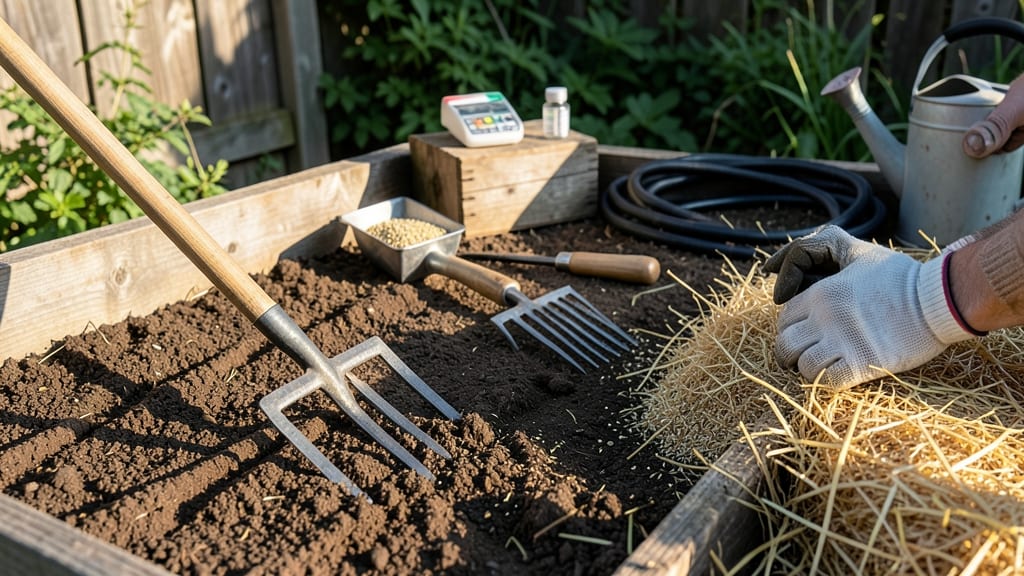
Planting grass seed in South Carolina at the right time means the difference between a lush lawn and a patchy, weed-filled mess.
South Carolina’s humid subtropical climate makes timing your grass seed planting critical—plant too early, and frost or weeds ruin your efforts; too late, and summer heat stifles germination. Get the exact window for a thick, weed-resistant lawn that outlasts the state’s toughest seasons.
Most gardeners swear by late summer to early fall, but the Upstate’s cooler 7b zones can handle early spring plantings, while coastal 9a areas need to wait until August.
We’ll break down the best months by region, soil prep secrets, and how to outsmart SC’s heat and humidity for faster germination.
Ready to skip the guesswork? You’ll learn the precise planting calendar, watering tricks to beat drought, and the top grass varieties that thrive in your microclimate—no matter where in the state you live.
Best months to plant grass seed in South Carolina by region (Coastal vs Piedmont vs Upstate)
South Carolina’s three distinct regions—Coastal, Piedmont, and Upstate—each demand different timing for grass seed planting. The Coastal Plain battles humidity and hurricanes, while the Upstate faces earlier frosts. Even a two-week difference in planting can mean the difference between a thick lawn and a weed-infested mess.
Let’s break down the exact windows for each region, including soil temperature and frost risk to maximize your success.
For all regions, the ideal soil temperature for grass seed germination is between 60°F and 75°F. If you plant when temperatures dip below 50°F, seeds may rot in the cold, wet soil.
Conversely, planting in 85°F+ heat stresses young seedlings. Below, I’ll show you how to align your planting with these critical thresholds, plus how to adjust for hurricane season in the Coastal zone.
🌱
In the Coastal region, your window is slightly longer due to milder winters, but hurricane season (June–November) adds complexity. If a storm is forecasted within 48 hours of planting, delay until conditions stabilize.
The Piedmont offers the most flexibility for fall planting, but avoid seeding after October 15—cooler temperatures slow germination, and young grass may not establish before winter dormancy.
For the Upstate, time is critical: plant before October 1 to avoid frost damage, or risk seeds lying dormant until spring.
Spring planting is trickier in South Carolina because of the summer heat. In the Coastal and Piedmont, aim to finish by April 15 to give seedlings time to establish before temperatures climb.
Upstate gardeners have until May 1, but be prepared to water daily during dry spells. Pro tip: Use a soil thermometer to confirm temperatures—if they’re below 55°F, wait a week or two.
🌿
Regional microclimates also play a role. For example, Charleston’s coastal breeze keeps soil cooler than inland areas, while the Upstate’s elevation means faster temperature drops.
If you’re in a shady spot (common in Piedmont forests), opt for fine fescue and plant in late spring to avoid fungal issues from lingering moisture. Conversely, full-sun lawns in the Upstate thrive with Kentucky Bluegrass seeded in early fall.
One common mistake? Planting too late in fall and hoping for spring germination. Seeds need 6–8 weeks of warm soil to sprout before winter sets in.
If you miss the fall window, your only option is spring planting, but be ready for weed competition—annual bluegrass and crabgrass germinate aggressively in warm soil. Pre-treat with a pre-emergent herbicide 2–3 weeks before seeding to give your grass a fighting chance.
☀
For all regions, watering strategy is non-negotiable. Newly planted grass needs 1/2 inch of water per week (more if temperatures exceed 85°F). Use a rain gauge or tuna can to measure—most sprinklers overwater. In the Coastal zone, morning watering is key to prevent fungal diseases from humidity.
Upstate gardeners should water in the early evening to reduce evaporation from dry winds. Mulch with straw (not wood chips) to retain moisture and protect seeds from bird
How to prepare your South Carolina lawn for grass seed success (soil, weather, and timing tips)
Preparing your South Carolina lawn for grass seed involves more than just scattering seeds—it’s about creating the perfect conditions for rapid germination and weed suppression. Start with a soil test to check the pH (aim for 6.0-7.0), as acidic soil can stunt seed growth.
If your soil is compacted, aerate it 2-3 weeks before planting to improve water and nutrient absorption.
Timing is everything in SC’s climate. Planting too early risks frost damage, while waiting too late exposes seeds to summer heat stress. The ideal soil temperature for germination is 60-75°F, which aligns with late summer to early fall (August-October) or early spring (March-April).
However, coastal areas may need to delay until August to avoid hurricane season disruptions.
Weed control is non-negotiable. Apply a pre-emergent herbicide 2-3 weeks before planting to block weeds, then switch to a post-emergent after seeds sprout. For organic options, use corn gluten meal, which also acts as a natural fertilizer. Clear all existing weeds manually to prevent competition for nutrients.
⚠️ Critical Timing Warning for SC Grass Seed Planting
Planting grass seed in South Carolina outside the optimal 60-75°F soil temperature window slashes germination rates by 50% or more. Never plant when daytime highs exceed 85°F—seeds dry out before sprouting. Coastal gardeners: Avoid September plantings due to hurricane risks and saltwater intrusion from storms.
Microclimate matters—shady spots need shade-tolerant grass varieties like fine fescue, while sunny areas thrive with Bermuda or Zoysia. Test your lawn’s sun exposure by observing shadows at 10 AM and 2 PM for 2-3 days. Adjust seed choices based on these observations to ensure even growth across your yard.
Irrigation is the final puzzle piece. Water lightly twice daily (morning and evening) for the first 2 weeks to keep soil moist but not soggy. Use a rain gauge to track ½ inch of water per week, and avoid overhead sprinklers that can spread disease.
Mulch with straw (not wood chips) to retain moisture and protect seeds from bird damage.
After planting, avoid walking on the lawn for at least 2 weeks to prevent seed displacement. Monitor for even moisture—uneven watering creates bare patches.
With these steps, your grass seed will convert to a dense, weed-resistant lawn in just 2-4 weeks, ready to handle SC’s heat and humidity like a pro.