
Plants
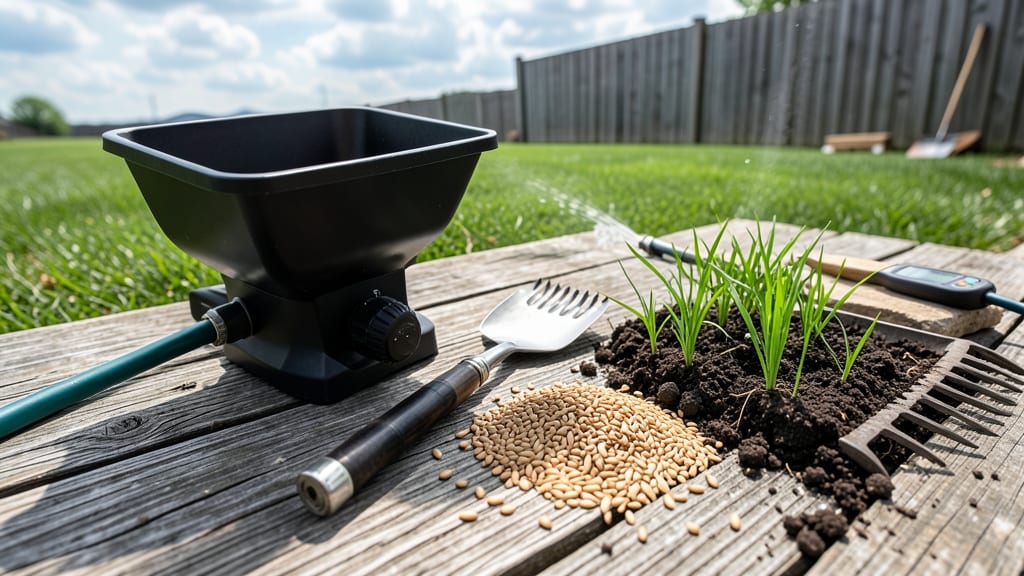
Planting grass seed in Oklahoma at the right time—when soil temperatures hit 60-70°F and rainfall is steady—makes all the difference between a lush lawn and a wasted season.
Picture this: you’ve spent $100 on seed, prepped the soil, and spread it all out—only to watch it dry up before sprouting. That’s what happens when you plant too early or too late, and in Oklahoma’s 6a-8a zones, the window is narrower than you’d think.
Most gardeners assume spring is the only time to plant, but late summer to early fall (August-September) can actually be better for cool-season grasses like fescue. The key is tracking soil temps and rainfall patterns, not just the calendar.
In this guide, I’ll walk you through the exact planting windows by region, how to check soil conditions, and the fastest way to ensure your grass seed germinates—no guesswork, just results.
Best planting windows in Oklahoma by region (soil temp & rainfall guide)
Oklahoma's diverse climate—from the cooler northern mountains to the hotter southern plains—means grass seed germination timing varies dramatically by region. Planting at the wrong time can lead to poor establishment, fungal issues, or wasted seed.
The key is aligning your planting with soil temperatures between 60-70°F and predictable rainfall patterns to ensure your grass takes root before summer heat or winter dormancy sets in.
Northern Oklahoma (USDA Zones 6a-6b) has cooler springs and shorter growing seasons, while Southern Oklahoma (Zones 7b-8a) enjoys longer warm periods. Central Oklahoma (Zones 7a-7b) sits in between, offering a balance.
I’ll break down the ideal planting windows for each region, including cool-season grasses (like tall fescue) and warm-season grasses (like Bermuda), plus how to use rainfall forecasts to your advantage.
| Region | USDA Zone | Best Planting Window | Soil Temp Threshold | Rainfall Needs | Grass Types |
|---|---|---|---|---|---|
| Northern OK | 6a-6b | Early April–Mid-May Late August–Early September |
55–65°F | 1–1.5 inches/week | Tall Fescue, Kentucky Bluegrass |
| Central OK | 7a-7b | Mid-March–Early April Late August–Mid-September |
60–70°F | 1–2 inches/week | Tall Fescue, Bermuda, Buffalo Grass |
| Southern OK | 7b-8a | Late February–Early April Late July–Early September |
65–75°F | 0.75–1.25 inches/week | Bermuda, Zoysia, St. Augustine |
For Northern Oklahoma, aim to plant cool-season grasses like tall fescue in early April when soil temperatures hit 55°F. This gives seedlings time to establish before summer heat arrives.
If you’re planting warm-season grasses like Bermuda, late August is ideal—soil stays warm enough for germination, and fall rains help roots grow deep before winter. Avoid planting in late spring; the heat will stress young grass.
In Central Oklahoma, the window is slightly wider due to milder winters. Start cool-season grasses in mid-March when soil reaches 60°F, and switch to warm-season grasses by late August.
Central OK’s variable rainfall means checking the Oklahoma Mesonet for forecasts is critical—plant only when 1–2 inches of rain is predicted weekly to avoid drought stress.
Southern Oklahoma’s longer growing season lets you plant warm-season grasses as early as late February, but soil must stay above 65°F for consistent germination. Cool-season grasses here thrive when planted in late August, taking advantage of fall moisture before winter.
The key is avoiding summer planting—the heat and drought will kill seedlings before they establish.
Rainfall is just as critical as temperature. Oklahoma’s unpredictable weather patterns can turn a perfect planting window into a disaster if rain fails. For example, planting in April without consistent moisture will leave your grass dry and crispy.
Always check NOAA’s 7-day forecast before seeding—aim for 1–1.5 inches of rain per week for the first 30 days post-planting.
Another pro tip: Amend your soil 2–4 weeks before planting to improve water retention. Add compost or peat moss to sandy soils in Southern OK, or gypsum to clay-heavy soils in Northern OK.
This helps maintain moisture levels during dry spells. Mulch with straw after seeding to lock in humidity and prevent crusting from heavy rains.
If you’re in a transition zone (like Central OK), consider overseeding warm-season grasses with cool-season varieties in fall for year-round green. For example, plant Bermuda in spring and tall fescue in fall to cover both seasons.
This dual approach works best in areas with mixed USDA zones or microclimates, like urban heat islands or shaded yards.
Finally, avoid planting during peak heat or drought. For instance, seeding in July in Southern OK will likely fail unless you’re using drought-resistant grasses like Buffalo grass. Always align your planting with local weather trends—ask your county extension office for historical rainfall data to refine your timing further.
With the right soil temperature, rainfall timing, and grass variety, your Oklahoma lawn can establish in as little as 14–21 days. Start with the regional guidelines
How to check soil temperature & rainfall forecasts before planting
Timing your grass seed planting right means checking two critical factors: soil temperature and rainfall forecasts. In Oklahoma’s 6a-8a zones, cool-season grasses like tall fescue need soil temps between 55-65°F, while warm-season types like Bermuda grass thrive at 70-80°F.
Skipping these checks is like planting seeds in a guessing game—you’ll either wait too long or watch them dry out.
Start by testing your soil’s temperature with a soil thermometer, available for under $10 at garden centers. Insert it 4-6 inches deep in the shade, and check readings for 3 consecutive days to account for daily fluctuations.
The Oklahoma Mesonet website also offers real-time soil temp data by county, so you can cross-reference your readings with local trends.
Next, pull up the NOAA 7-Day Forecast for your area to spot consistent rainfall patterns. Aim for 1-1.5 inches of rain per week during germination, or plan to water manually if drought is forecasted.
My rule of thumb? If the forecast shows less than 0.5 inches of rain for the first two weeks, delay planting until conditions improve.
For Bermuda grass, which is heat-loving, wait until the soil hits 70°F or warmer—usually late May to early June in most of Oklahoma. Meanwhile, tall fescue and Buffalo grass do best in spring (March-April) when nights are still cool.
Pro tip: If you’re planting Buffalo grass, aim for soil temps between 60-75°F—it’s drought-tolerant but hates soggy conditions.
Remember, Oklahoma’s weather can shift fast. If a heatwave or drought is forecasted right after planting, adjust your watering schedule to keep soil consistently moist. A light mulch (like straw) can help retain moisture without smothering seeds.
By following these steps, you’ll avoid the heartbreak of wasted seed and ensure your lawn establishes strong roots before Oklahoma’s summer heat or winter freezes take over. Happy planting! 🌱