
Plants
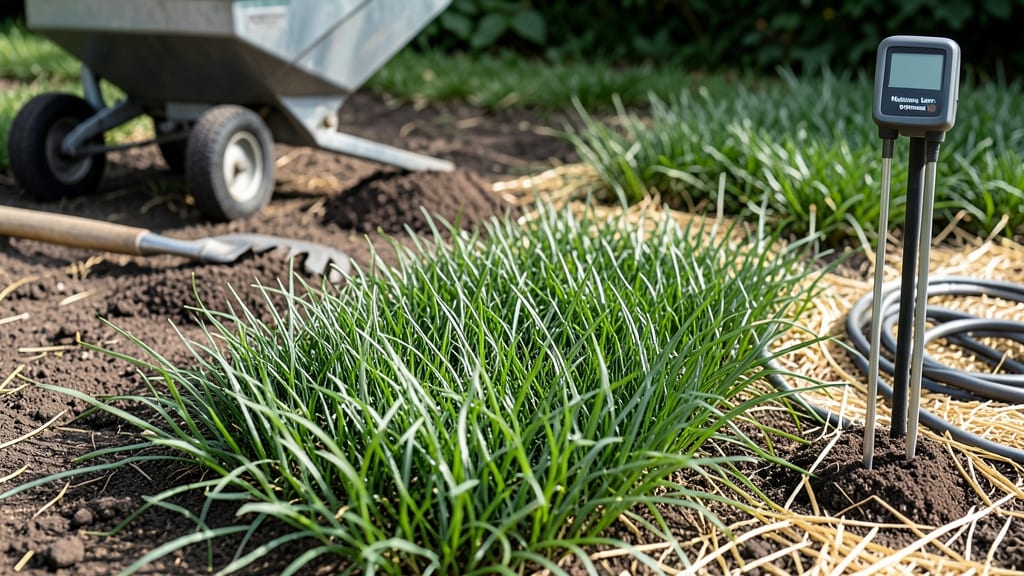
Planting grass seed in Colorado should happen between late August and early October or early April and mid-May to give young roots time to establish before extreme temperatures arrive.
Colorado’s diverse elevations—from high plains to mountain valleys—create unique challenges for grass seed germination, but timing it right can mean the difference between a lush lawn and months of frustration.
If you’ve ever watched your grass struggle to take hold after a late spring frost or wither under summer’s intensity, you know how critical the right window is.
Below, I’ll break down the exact timing by elevation zone, soil prep secrets, and the fastest way to avoid common mistakes that slow down growth.
Colorado grass seed planting calendar by elevation zone (with frost date guide)
Colorado’s dramatic elevation shifts—from 3,000 feet on the plains to over 10,000 feet in the mountains—create wildly different planting conditions. Cool-season grasses like Kentucky bluegrass need precise timing, while high-desert varieties thrive in shorter windows.
I’ve broken down the best planting windows by zone, including average frost dates and microclimate tweaks to ensure your grass establishes fast.
Most Colorado gardeners focus on fall planting (late August to early October) because cooler temps reduce stress on young roots. But spring planting (early April to mid-May) works for lower elevations where frost arrives later.
The key? Adjust your schedule based on your elevation zone—a 500-foot difference can shift frost dates by 2-3 weeks.
Here’s your elevation-based planting guide, including last frost dates, ideal soil temps, and microclimate adjustments for fast germination.
| Elevation Zone | Best Planting Window | Last Frost Date | First Frost Date | Soil Temp for Germination | Microclimate Tip |
|---|---|---|---|---|---|
| Front Range (3,000–6,000 ft) | Late August–Early October (Fall) or Early April–Mid-May (Spring) | April 15–May 1 (varies by year) | October 1–October 15 | 50–65°F (ideal: 60°F) | Water deeply in afternoon shade to prevent evaporation. |
| Western Slope (4,000–7,000 ft) | Mid-August–Late September (Fall) or Late April–Early June (Spring) | April 30–May 10 | September 20–October 5 | 55–68°F (ideal: 62°F) | Use windbreaks if planting near open areas. |
| Mountain Regions (7,000–10,000+ ft) | Early July–Mid-August (Fall prep) or Late May–Early July (Spring) | May 15–June 1 | September 10–September 25 | 60–70°F (ideal: 65°F) | Plant cool-season blends with high altitude tolerance. |
| High Desert (5,000–7,000 ft) | Late August–Early September (Fall) or Early April–Mid-April (Spring) | April 1–April 15 | October 10–October 20 | 50–60°F (ideal: 55°F) | Mulch heavily to retain moisture in dry soils. |
For Front Range gardeners (Denver, Fort Collins, Colorado Springs), aim to plant 4–6 weeks before first frost. This gives seeds time to germinate before winter sets in. Use a soil thermometer—ideal temps are 50–65°F. If your soil runs cooler, opt for fast-germinating varieties like tall fescue.
In Western Slope areas (Grand Junction, Durango), summer heat can stress young grass. Plant in late afternoon to reduce evaporation, and water twice daily (morning + evening) for the first 2 weeks. Buffalo grass is a great drought-tolerant choice here.
High-elevation zones (Estes Park, Breckenridge) demand earlier adjustments. Start seeds indoors in late May and transplant after June 1 when soil warms. Alpine bluegrass thrives here but needs extra phosphorus for root development.
Pro tip: Check your local CoCoRaHS weather station for real-time frost data—it’s more accurate than generic charts. If you’re near a microclimate hotspot (like a south-facing slope), you can plant 2 weeks earlier than the average.
Finally, avoid planting in extreme heat (above 85°F) or during prolonged drought. Colorado’s variable weather means your best bet is fall planting, but spring works if you’re below 5,000 feet and prepared for consistent watering.
With the right timing, your Colorado lawn can go from bare dirt to lush green in just 6–8 weeks—no matter your elevation. 🌱
5 Critical factors that determine your exact grass seed planting time in Colorado
Colorado's microclimates and elevation shifts can make generic planting charts useless. What works in Denver's 5,280 feet fails at 10,000 feet in the mountains. The key is understanding how soil temperature, grass type, and moisture availability interact with your specific location.
I've planted grass in all three Colorado regions—Front Range, Western Slope, and mountains—and learned the hard way that timing isn't just about months, but about specific conditions that create the perfect germination window. Let me show you exactly what to watch for in your yard.
- 🌡️ Soil Temperature: 50-65°F for cool-season grasses, 70-85°F for warm-season—test with a soil thermometer 2-3 inches deep
- ⛰️ Elevation Adjustments: Subtract 1 week per 1,000 feet above 5,000 feet—mountain areas need earlier plantings
- 🌱 Grass Type: Cool-season (Kentucky bluegrass) thrives fall/spring; warm-season (Buffalo grass) waits for June-July
- 💧 Moisture Levels: 1 inch per week for first 4 weeks—use drip irrigation to avoid runoff in sloped areas
- 🌬️ Microclimates: South-facing slopes warm 2-3 weeks earlier than north-facing—adjust planting by 10-14 days
Your soil temperature is the single most important factor. Most Colorado gardeners assume "spring" means April, but cool-season grasses like tall fescue need soil temps between 50-65°F—which in Denver means waiting until mid-April, not early April. I've seen seeds planted too early rot in cold, wet soil.
For high-elevation areas above 8,000 feet, shift your timing 2-3 weeks earlier than Front Range schedules. The thinner air and cooler nights mean seeds need that extra time. I once planted ryegrass in Estes Park following Denver's schedule—it took 6 weeks longer to establish.
Don't ignore your local microclimates. A south-facing slope in Colorado Springs might be ready for planting 2 weeks before your neighbor's north-facing yard. Pay attention to where snow melts first in your area—that's your planting cue.
Use shade cloth if needed to protect new seedlings from intense afternoon sun.
Finally, warm-season grasses like Bermuda or buffalo grass have completely different rules. They need consistent 70°F+ soil temps, which in Colorado means waiting until June or July. Planting them earlier just leads to seed dormancy—I've made that mistake twice in Pueblo.