
Plants
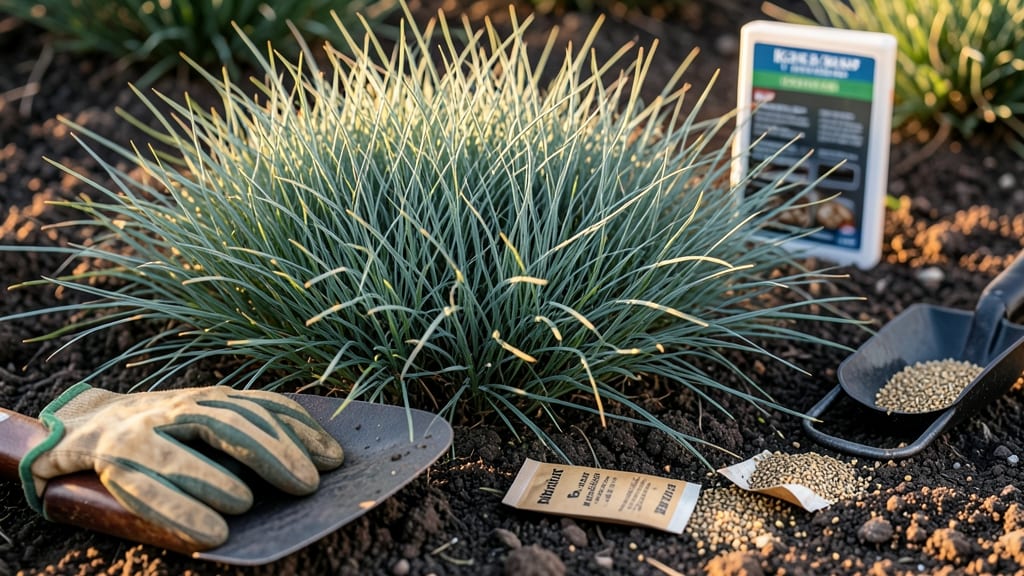
Plant buffalo grass seed in Kansas between late March and early April or in late August to early September for the fastest, most reliable results.
Timing matters more than you might think—plant too early, and frost will nip your seedlings in the bud; too late, and summer’s scorching heat stunts growth before it even starts.
The 5b-7a zones in Kansas have different sweet spots, so I’ll break down the exact dates by region and share the pro tips that’ll help your lawn take root like a champ.
Buffalo grass is one of the toughest grasses for Kansas’ extremes—drought, heat, and even foot traffic—but it still needs the right start.
Whether you’re seeding a new lawn or patching bare spots, getting the timing right means fewer weeds, deeper roots, and a lawn that stays green when others turn brown.
Below, I’ll walk you through the best months for planting, how to prep your soil for success, and why late summer often outperforms spring in Kansas’ unpredictable climate. Ready to plant with confidence?
Kansas planting zones & exact buffalo grass seed dates by month
Kansas spans USDA hardiness zones 5b through 7a, creating distinct microclimates where buffalo grass thrives—but timing matters. Plant too early, and seedlings freeze; too late, and summer heat stresses them.
I’ll break down the exact planting windows by zone, including regional adjustments for western Kansas’ drier conditions vs. eastern Kansas’ higher humidity.
Buffalo grass germinates best when soil temperatures hit 50°F+ and stay there for 10+ days. In Kansas, this typically aligns with late March to early April in southern zones (7a) and mid-April to early May in northern zones (5b).
However, late summer (August-September) often yields stronger establishment due to cooler temps and fewer weeds.
Here’s your zone-by-zone planting calendar, including frost risk analysis and microclimate notes:
| USDA Zone | Best Planting Window | Soil Temp Threshold | Frost Risk | Microclimate Note |
|---|---|---|---|---|
| 5b (Northwest KS) | Late April–May OR Mid-August–Sept 15 |
50°F+ (10+ days) | High frost risk until May 15 | Drier; water deeply after planting |
| 6a (Central KS) | Early April–May 10 OR Late July–Sept 10 |
50°F+ (7+ days) | Moderate frost risk until April 20 | Balanced humidity; monitor for fungal risks |
| 6b (Central KS) | Mid-March–April 30 OR Early August–Sept 15 |
50°F+ (5+ days) | Low frost risk after April 1 | Warmer; prioritize morning watering |
| 7a (Southeast KS) | Late February–April 15 OR Late July–Sept 20 |
50°F+ (3+ days) | Minimal frost risk after March 15 | Higher humidity; aerate soil before planting |
For western Kansas (zones 5b-6a), prioritize late summer planting (August-September) to avoid spring drought stress. In eastern Kansas (zones 6b-7a), early spring (March-April) works well due to consistent moisture. Always check a 7-day soil temperature forecast before planting—use a soil thermometer at 2-inch depth.
Pro tip: If planting in spring (March-April), cover seeds with straw mulch to retain moisture and protect from late frosts. For fall planting (August-September), aim to finish 4-6 weeks before your zone’s first frost date to allow root establishment.
In zone 7a, this means planting by September 15.
Buffalo grass seeds need consistent moisture for germination but hate soggy soil. After sowing, water lightly daily until sprouts appear (14-21 days). Once established, reduce watering to once weekly—this grass thrives on drought once rooted.
In western Kansas, this means 50% less water than traditional lawn grasses.
Regional adjustments matter: Eastern Kansas’ clay soils may need pre-planting tilling to improve drainage, while western Kansas’ sandy soils benefit from adding compost. Test your soil’s pH (ideal: 6.0-7.5) and adjust with lime or sulfur if needed. Buffalo grass is low-maintenance but performs best with well-prepared soil.
Timing isn’t just about months—it’s about soil conditions. Use a moisture meter to confirm soil is damp but not waterlogged before planting. In my zone 6b garden, I’ve found that planting on a cool (60°F), cloudy day reduces seed stress.
Avoid planting during heatwaves (>90°F), as seeds can dry out before germinating.
For fastest results, combine late summer planting (August) with spring overseeding (March). This two-step approach ensures year-round coverage. In Kansas’ drought-prone zones (5b-6a), this method also improves resilience against summer heat.
Just remember: Buffalo grass spreads slowly—be patient and maintain consistent care for the first 2-3 years.
3 Critical factors that determine your planting success (beyond dates)
Planting buffalo grass seed in Kansas isn’t just about picking a month—it’s about understanding three hidden factors that make or break your lawn’s success.
Even if you nail the dates, soil temperature, moisture balance, and seed depth can turn a good planting into a great one—or a total flop. Let me break down how these factors interact in Kansas’ climate to give your seeds the best shot at thriving.
First, soil temperature is the silent dealmaker. Buffalo grass seeds won’t germinate until the soil hits a steady 50°F or warmer. In Kansas, this usually means waiting until mid-April in southern zones or late April in northern areas.
Planting too early? Your seeds will just sit there, waiting for warmth that never comes. Use a soil thermometer to check—it’s the only way to be sure.
Next up: moisture management. Kansas swings from drought to sudden downpours, and buffalo grass hates both extremes. After planting, keep the soil consistently moist (not soggy) for the first 2-3 weeks. A light misting every morning works better than deep watering, which can wash seeds away.
Once sprouts appear, you can ease up—but don’t let the soil dry out completely, or your young grass will struggle to establish roots.
Finally, seed depth matters more than most gardeners realize. Plant buffalo grass seeds ¼ inch deep—any deeper, and they’ll starve for sunlight; too shallow, and they’ll dry out. Use a seed spreader for even coverage, then gently rake the soil to create a fine, textured surface.
This isn’t just about depth; it’s about creating the perfect microclimate for those tiny seeds to wake up and grow.
- 🌡️ Soil Temperature: Wait for 50°F+ (use a thermometer!). Northern Kansas (Zone 5b) may need to wait until mid-April.
- 💧 Moisture: Keep soil consistently moist (not soggy) for 2-3 weeks post-planting. Mornings are best for watering.
- 🌱 Seed Depth: Plant ¼ inch deep—no deeper! Use a rake to create a fine, textured surface for even coverage.
- 🌱 Prep Soil 4-6 Weeks Early: Test pH (6.0-7.5 ideal), till 4 inches deep, and mix in compost for nutrients.
- ☀️ Sunlight: Ensure 6+ hours of full sun daily—buffalo grass won’t thrive in shade.
Here’s the kicker: prepping your soil 4-6 weeks before planting can cut your establishment time in half. Start by testing your soil’s pH—buffalo grass prefers 6.0 to 7.5. If it’s off, amend it with lime (to raise pH) or sulfur (to lower pH).
Then, till the top 4 inches of soil to loosen it up and mix in 2-3 inches of compost. This gives your seeds a nutrient-rich home and improves drainage, which is critical in Kansas’ heavy clay soils.
Don’t overlook weed control during this prep phase. Apply a pre-emergent herbicide 2 weeks before planting to block weeds without harming your buffalo grass. Once your seeds sprout, you’ll have a head start on keeping your lawn weed-free.
Think of it like laying the foundation for a house—skip the prep, and you’ll pay for it later with weak growth or patchy coverage.
Putting it all together, these three factors—soil temperature, moisture balance, and seed depth—work like a team. Get them right, and your buffalo grass will establish quickly, outcompete weeds, and give you that lush, drought-resistant lawn Kansas gardeners dream of.
Miss even one, and you’ll be fighting for every inch of growth. Now grab your tools, and let’s get planting!