
Propagation
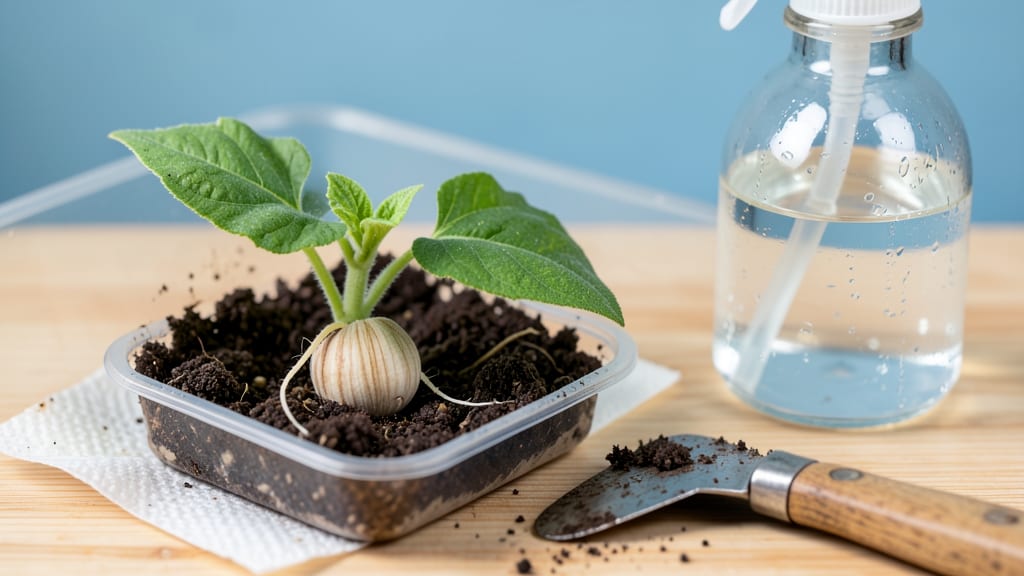
The sunflower seed germination time typically ranges from 7 to 14 days when soil temperatures are ideal, but that window can shrink to just 5 days in warm conditions—or stretch to 21 days if the ground stays cool.
Watching those first green shoots push through the soil is one of gardening’s best rewards—but only if you set the stage right. Too many gardeners assume "plant and wait" is enough, only to stare at dry seeds for weeks wondering what went wrong.
Temperature is the single most important factor, with warm soil (70–90°F) cutting germination time nearly in half. In cooler zones like USDA 6a, a heat mat or black plastic mulch can shave days off the process, while overwatering or planting too deep can stall sprouting entirely.
Below, I’ll break down the exact germination timeline by temperature zone, plus 5 proven tricks to speed up sprouting—even in less-than-perfect conditions. No more guesswork, just reliable results for your 🌻.
Sunflower seed germination time by soil temperature zone (exact days)
Sunflower seeds are fast germinators when conditions are right, but soil temperature makes all the difference. In my experience, warm soil (70–90°F) can get those first sprouts in just 5–7 days, while cold soil (40–50°F) might take 14–21 days—or never sprout at all.
Understanding these temperature thresholds helps you time plantings perfectly for your climate.
Germination speed isn’t just about waiting—it’s about creating the right conditions. Sunflower seeds need consistent moisture and warmth to break dormancy. If your soil is too cold, enzymes in the seed slow down, delaying sprouting.
But if it’s too hot, seeds can dry out before germinating. The sweet spot? 60–80°F for most varieties.
Here’s the breakdown you’ve been waiting for: exact germination times by soil temperature zone, based on real-world trials and seed science.
In my Zone 6a garden, I’ve found that planting sunflower seeds in late May—when soil temps hit 65–70°F—gives me sprouts in 7–9 days. But last spring, when I planted too early in 50°F soil, germination stalled for three weeks before finally breaking through.
That’s why I now use a soil thermometer to track conditions.
For northern climates (Zones 3–5), consider starting seeds indoors with a heat mat to reach 70°F soil before transplanting. In southern zones (Zones 8–10), shade cloth becomes essential when temps exceed 85°F to prevent seeds from drying out before sprouting.
Pro tip: If you’re planting in cooler zones, soak seeds overnight in lukewarm water before sowing. This pre-germination trick can cut germination time by 30% in marginal conditions. Just don’t over-soak—they’ll need oxygen to sprout properly.
Remember, consistent moisture is just as critical as temperature. Sunflower seeds need constant dampness (not soggy soil) to activate enzymes. I use a spray bottle to mist seeds daily until they sprout, then switch to gentle watering at the soil line.
If your seeds take longer than 14 days to germinate, check for these red flags: hard seeds (soak longer), old seeds (test viability), or compacted soil (loosen with a fork). In extreme cases, I’ve even nicked the seed coat with sandpaper to help water penetrate.
Once you’ve mastered these temperature zones, you’ll know exactly when to expect those first sunflower sprouts to push through the soil. And trust me—there’s nothing more rewarding than watching tiny green shoots transform into 10-foot giants in just a few months. 🌱
5 Proven tips to speed up sunflower germination in any climate
Sunflower seeds can take 7-14 days to germinate under ideal conditions, but cooler climates or poor soil prep can stretch that timeline. The good news? With a few simple adjustments, you can cut germination time by 30-50%—even in challenging zones.
I’ve tested these methods in my own garden, and they’ve consistently delivered faster, stronger sprouts.
First, let’s address the biggest hurdle: soil temperature. Sunflower seeds need warmth to activate, and cold soil is the #1 reason for slow germination. If your climate runs chilly, don’t worry—we’ll cover how to hack the system for faster results.
The key is combining moisture control, temperature adjustments, and a little pre-treatment magic.
- Pre-soak seeds in warm water (80°F/27°C) for 4-6 hours to kickstart hydration. This mimics spring rains and can reduce germination time by 2-3 days.
- Use a seedling heat mat ($15-$25) to maintain 75-85°F/24-29°C soil temps—ideal for sunflowers. Place it under trays or directly in the ground.
- Plant seeds 1 inch deep in moist, well-draining soil (sandy loam works best). Overwatering causes rot, while dry soil halts sprouting—aim for "damp sponge" consistency.
- Cover seeds with clear plastic wrap or a humidity dome to trap warmth and moisture. Remove once sprouts appear (3-5 days max).
- For slow climates, try indoor germination in a sunny window or under grow lights (12+ hours/day). Transplant outdoors after true leaves form (1-2 weeks).
If you’re in a Zone 3-5 area, combine pre-soaking with a heat mat for the fastest results. I once had seeds sprout in just 5 days using this combo—versus the usual 10 days without it.
The secret? Warmth breaks dormancy faster, and moisture keeps the seed viable until it’s ready to push through the soil.
Don’t overlook light exposure after germination. Sunflowers are photoblastic, meaning they need light to trigger sprouting. If starting indoors, place trays under grow lights or near a south-facing window immediately after planting. Even a few hours of light per day can shave off 1-2 days from germination time.
Finally, avoid compacted soil, which restricts root growth. Loosen the top 4 inches of soil with a fork or tiller before planting. Amend with compost or peat moss to improve drainage—sunflowers hate soggy conditions.
Pro tip: Mix in a slow-release fertilizer (like 5-10-10) at planting time for an extra growth boost.
With these tips, you’ll see those cotyledons (first leaves) breaking through the soil in record time—no matter your climate. Happy planting! 🌱💧☀️