
Lawn
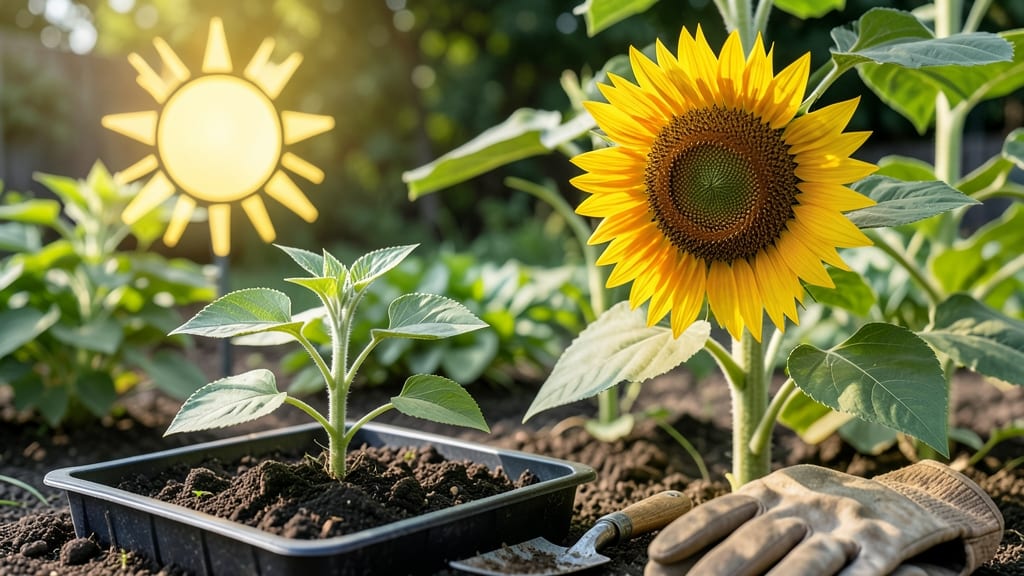
Growing sunflowers from dried pods is one of those gardening magic tricks that never fails—it’s all about witnessing the sunflower seed growth firsthand.
Toss a few seeds in the ground, and within weeks, you’ve got towering stems reaching for the sky. 🌻 I’ve started sunflowers from store-bought seeds and dried pods, and the dried ones always seem to outperform, with sturdier stems and bigger blooms.
The secret isn’t complicated: it’s about timing, soil, and a little patience to let those first leaves unfurl.
You’ll need just a few basics: a sunny spot (at least 6-8 hours of sunlight daily), well-draining soil, and a spot to save those dried pods from last year’s sunflowers. Plant them about 1 inch deep, 6 inches apart, and keep the soil consistently moist but not soggy.
The first true leaves appear in about 7-10 days, and by week 3, you’ll see those iconic sunflower sprouts pushing through the soil—sometimes faster if the weather warms up.
What’s amazing is how quickly they grow. Within 30 days, you’ll have seedlings taller than your hand, and by mid-summer, those blooms will be turning heads.
The key is to watch for leggy seedlings (a sign of too little light) and thin them out if they get crowded—each plant needs room to shine.
With the right care, you’ll go from seed to bloom in just 8-10 weeks, and those dried pods will give you free seeds for next year.
This method works year-round in containers if you have a sunny windowsill or grow lights, but outdoors, timing matters: start seeds indoors 2-3 weeks before your last frost, or direct-sow after all danger of frost has passed.
Even if you’re new to gardening, sunflowers forgive mistakes—just give them space, water, and sun, and they’ll reward you with a showstopping display.
📚 In This Guide
- What you need
- Instructions
- Tips and common mistakes
- Wrapping up and next steps
What you need
- ● Sunflower seeds: 10–20 dried sunflower seeds (harvested from mature pods or purchased from a nursery). Choose heirloom varieties for best results.
- ● Seed-starting mix: 1–2 cups of lightweight, well-draining potting soil (or coco coir for organic growth). Avoid garden soil—it’s too dense!
- ● Containers: Small pots (4–6 inches deep) for indoor germination, or
- ● Seed trays with drainage holes (for multiple seeds).
- ● Spray bottle: For gentle watering (avoid over-saturating seeds).
- ○ Plastic wrap or humidity dome: Optional but helpful for creating a mini greenhouse effect during germination.
- ● Grow lights or sunny windowsill: Sunflowers need 6+ hours of light daily. A basic LED grow light works if natural light is limited.
- ● Fertilizer: A balanced, water-soluble fertilizer (e.g., 10-10-10) to boost growth once seedlings sprout.
- ● Heat mat: Speeds up germination if your home is chilly (<50°F/10°C).
- ● Transplanting tools: Small hand trowel and biodegradable pots for outdoor planting.
- ● Bird netting: Protects mature sunflowers from hungry birds (if growing outdoors).
Step-by-step guide to growing sunflowers from dried pods
Here's how to transform those dried sunflower pods into vibrant, year-round blooms.
🌱 Step 1: Extract and Prepare the Seeds
Start by gently opening the dried sunflower pods to release the seeds. I like to do this on a clean sheet of newspaper or a tray—it makes cleanup a breeze. You'll see two types of seeds: the large, flat ones you want, and smaller, black ones that aren't viable. Remove those immediately.
Soak the selected seeds in lukewarm water for 12 hours to soften the hard outer shell. This step speeds up germination and prevents the seed from drying out too quickly. After soaking, pat them dry with a paper towel—you want them damp but not dripping. This ensures they won't rot when planted.
🪴 Step 2: Choose Containers and Plant the Seeds
Fill 4-inch deep containers with well-draining potting mix—sunflowers hate soggy roots. I use small pots or even recycled yogurt cups with drainage holes punched in the bottom. Press the mix down lightly so it’s firm but not compacted. You want roots to have room to spread without struggling.
Plant 2-3 seeds per container about ½ inch deep. Space them evenly—crowding leads to weak stems that flop over later. Gently cover the seeds with soil and mist the surface lightly with water. Use a spray bottle to avoid displacing the seeds, which can happen with a heavy watering can.
☀️ Step 3: Provide Warmth and Light for Germination
Place the containers in a warm spot with a temperature of 70-75°F. A sunny windowsill or under a grow light works well. Sunflowers germinate fastest in warmth, so if your home runs cooler, consider using a seedling heat mat. You should see sprouts in 5-10 days—watch for tiny green shoots pushing through the soil.
Once the first true leaves appear (those are the second set after the initial seed leaves), remove the weakest seedling in each pot. This ensures the strongest plant gets all the nutrients. Keep the soil moist but not waterlogged—sunflowers are drought-tolerant once established, but seedlings need consistent moisture.
🌿 Step 4: Transplant and Support Growth
When seedlings reach 4-6 inches tall and have 4-5 true leaves, transplant them into larger 12-inch pots or directly into the garden. Sunflowers need space—crowding stunts their growth and reduces flower size. If planting in pots, use containers that are at least 12 inches deep to accommodate their long taproots.
After transplanting, stake each plant with a 3-foot tall support as soon as you notice the stem thickening. Sunflowers grow fast but can get top-heavy. Bury the stake 6 inches deep and tie the stem loosely with soft plant ties or old fabric strips. Adjust the ties as the plant grows to avoid restricting the stem.
⏰ Step 5: Maintain Through Blooming Season
Water sunflowers at the base when the top inch of soil feels dry. Avoid wetting the leaves—this prevents fungal diseases like powdery mildew, which is common in humid conditions. Feed with a balanced fertilizer every 4-6 weeks once the plants are established. I use a 10-10-10 mix diluted to half-strength to avoid burning the roots.
Watch for buds forming about 8-10 weeks after planting. At this stage, reduce nitrogen-heavy fertilizers—too much greenery means fewer blooms. Instead, switch to a phosphorus-rich fertilizer to encourage flowering. Deadhead spent blooms by snipping off the flower head just above the next set of leaves to promote continuous blooming.
Tips & tricks for growing sunflowers from dried pods
Here's what I've learned to help you avoid common pitfalls and get the best results from your sunflower seeds.
Seed Selection: When opening those dried pods, don't rush—gentle pressure works best. The large, flat seeds are your winners, while the smaller black ones won't sprout. I've found that seeds with a slight sheen (indicating freshness) germinate fastest. Store any extra seeds in a cool, dry place until ready to plant—they'll stay viable for months.
Soaking Secret: That 12-hour soak is non-negotiable for breaking the hard outer shell, but here's the thing: use lukewarm water, not hot. Hot water can actually damage the seed's delicate inner layers. After soaking, give them a good pat dry—you want them damp like a wrung-out sponge, not dripping. This prevents rot while keeping moisture for germination.
Germination Environment: The 70-75°F temperature range is ideal, but real talk—most homes don't maintain perfect consistency. If your space runs cooler, place containers on top of the fridge or near a sunny window with a heat mat. Watch for sprouts in 5-10 days, but if nothing appears after 14 days, gently check the seeds—they might need a little more moisture or warmth.
Transplanting Tip: When your seedlings reach 4-6 inches with 4-5 true leaves, don't wait too long to transplant! Sunflowers establish roots quickly. Use your finger to loosen the soil around the roots before transferring to prevent damage. The deeper 12-inch pots give those long taproots room to grow without circling, which leads to stronger plants.
Pro Tips for Sunflower Seed Growth
- Here's what I've learned to help you avoid common pitfalls and get the best results from your sunflower seeds.
- Seed Selection: When opening those dried pods, don't rush—gentle pressure works best.
- Soaking Secret: That 12-hour soak is non-negotiable for breaking the hard outer shell, but here's the thing: use lukewarm water, not hot.
Frequently asked questions
Got questions about growing sunflowers from dried pods?
You’re not alone! Here are some of the most common concerns—plus quick, actionable answers to help you cultivate thriving plants year-round.
How long does it take for sunflower seeds to germinate?
Sunflower seeds typically sprout within 7–14 days after planting, depending on soil temperature and moisture. Keep the soil consistently moist (but not soggy) and place the pot in a warm spot—70°F (21°C) or warmer speeds up germination. If you don’t see sprouts in 2 weeks, gently check for mold or rot and replant if needed.
Can I grow sunflowers indoors year-round?
Sunflowers thrive indoors with 6+ hours of direct sunlight daily (a south-facing window or grow lights work). Use a 5–10 gallon pot for dwarf varieties (like ‘Teddy Bear’) and rotate the pot weekly for even growth. Watch for leggy stems—if they stretch too tall, supplement with artificial light to prevent flopping.
Why are my sunflower leaves turning yellow?
Yellow leaves usually signal overwatering, nutrient deficiency, or poor drainage. Check the soil: it should be damp but not waterlogged. If the yellowing starts at the bottom, your plant may need more nitrogen (use a balanced fertilizer). For crispy edges, it’s likely underwatering or low humidity—mist leaves occasionally or use a pebble tray.
What’s the best soil mix for sunflower seed growth?
Sunflowers love well-draining, nutrient-rich soil with a pH of 6.0–7.5. Mix 60% potting soil, 30% perlite or vermiculite, and 10% compost for optimal aeration. Avoid garden soil—it compacts easily and can harbor pests. For containers, add a handful of slow-release fertilizer at planting time.
Can I save seeds from store-bought sunflowers?
Yes! Buy organic, non-hybrid sunflower seeds (check labels) and let them dry completely on the plant before harvesting. Once the back of the seed turns black and the shell is hard, remove them and store in a cool, dry place (like a paper bag) for up to 2 years. Avoid seeds from treated or hybrid varieties—they may not grow true to type.
What if my sunflower seeds don’t sprout?
Try these fixes:
- Soak seeds overnight in warm water to soften the shell.
- Check for freshness—old seeds may need scarification (lightly sand the shell).
- Test germination: wrap damp paper towels around 5 seeds in a sealed bag. If none sprout in 10 days, they’re likely non-viable.
- Adjust planting depth: 1 inch deep is ideal; deeper plantings may rot.
Wrapping up and next steps
Growing sunflowers from dried pods is a rewarding journey that brings vibrant blooms to your garden—even in cooler months! 🌻 With the right materials, patience, and care, you can nurture these cheerful plants from seed to full height.
Whether you're a seasoned gardener or a beginner, this process is a fun way to connect with nature and enjoy year-round beauty.
Now that you’re armed with tips and answers to common questions, take the next step—grab those dried pods and start sowing! Your garden will thank you with towering sunflowers that brighten up every season. Happy planting! 🌱