
Plants
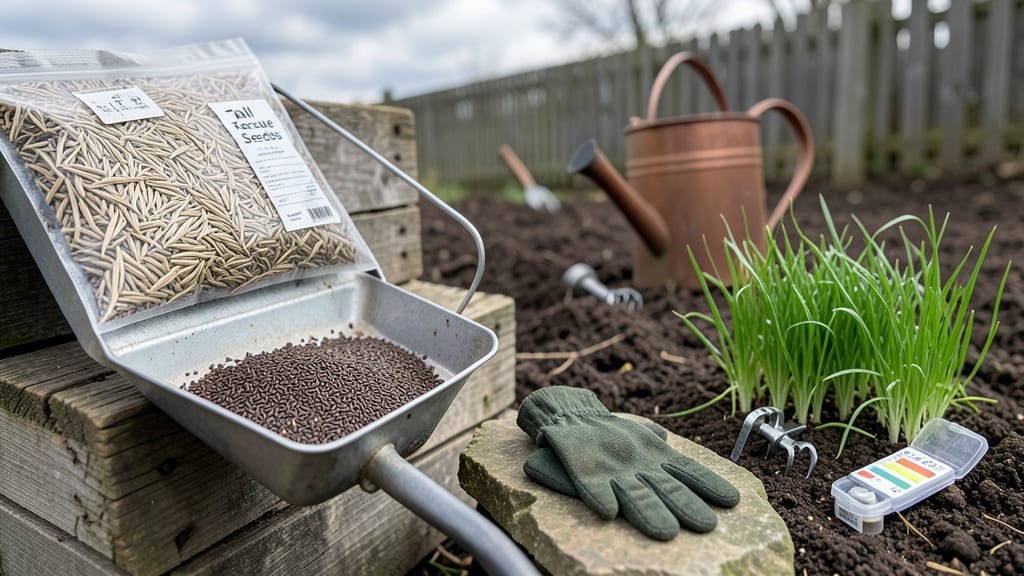
Planting grass seed in North Carolina at the right time ensures a fast, lush lawn—but get it wrong, and you’re staring at bare patches for months.
Timing isn’t just about seasons; it’s about your USDA zone, soil temperature, and even rainfall patterns. In the Piedmont, early fall might be perfect, while the Coastal Plain’s humidity demands a different approach. One wrong move, and your seed money goes toward replanting.
Here’s the best strategy for your zone: cool-season grasses like tall fescue thrive in spring or fall, while warm-season Bermuda grass waits for summer’s heat. I’ll break down the exact months, soil checks, and seed types that work for North Carolina’s 6a-8b zones, so you skip the guesswork.
Ready to plant? You’ll learn how to test soil readiness, avoid common pitfalls, and choose seeds that match your yard’s sun and shade. Let’s get that lawn growing the right way.
North Carolina grass seed planting calendar by climate zone (best months for fast germination)
North Carolina’s diverse climate zones—from the humid Coastal Plain to the cooler Mountains—create wildly different conditions for grass seed germination. Planting at the wrong time can lead to slow growth, weed competition, or even seed failure.
The key is understanding your USDA hardiness zone (6a-8b) and aligning planting with soil temperatures and rainfall patterns.
For example, tall fescue and perennial ryegrass (cool-season grasses) thrive when planted in early fall or spring, while Bermuda and Zoysia (warm-season grasses) need late spring to early summer warmth. Let’s break down the best months for each zone to ensure fast, healthy germination.
📌 Pro Tip: Use the USDA Plant Hardiness Zone Map to confirm your exact zone. Most of NC falls between Zone 6a (coolest) and 8b (warmest), but microclimates (like valleys or coastal areas) can shift your ideal planting window by weeks.
| Climate Zone | Cool-Season Grasses (Tall Fescue, Ryegrass) | Warm-Season Grasses (Bermuda, Zoysia) | Soil Temp Threshold (°F) | Rainfall Needs |
|---|---|---|---|---|
| Coastal Plain (Zones 8a-8b) | Late Aug–Sept or Feb–March | Late April–May | 55°F (cool-season), 70°F+ (warm-season) | 1–1.5" weekly (avoid drought) |
| Piedmont (Zones 7a-7b) | Mid-Aug–Sept or March–April | Early May–June | 50°F (cool-season), 65°F+ (warm-season) | 0.75–1.25" weekly |
| Mountains (Zones 6a-7a) | Early Sept–Oct or April–May | Late May–June | 45°F (cool-season), 60°F+ (warm-season) | 1–1.5" weekly (higher elevation = more rain) |
In the Coastal Plain, where humidity lingers and summers stay hot, late August to September is ideal for cool-season grasses. This window lets seeds germinate before winter arrives, while Bermuda grass thrives when planted in late April or May, when soil temperatures consistently stay above 70°F.
Coastal areas also benefit from spring planting in February–March if you’re overseeding.
The Piedmont region offers a slightly cooler climate, making March–April or mid-August–September the sweet spot for cool-season grasses. Warm-season grasses like Zoysia should wait until early May to avoid frost risks. Piedmont’s clay-heavy soils also require extra prep—amend with compost to improve drainage and aeration.
For Mountain zones, where frost lingers longer, early September to October or April–May are your best bets for cool-season grasses. Warm-season grasses here need to wait until late May or June to ensure soil warmth.
Higher elevations may also experience shorter growing seasons, so prioritize fast-germinating varieties like tall fescue.
Rainfall is another critical factor. The Coastal Plain often sees summer droughts, so plant cool-season grasses in fall to capitalize on natural rainfall. In contrast, the Mountains may have excess moisture—plant in spring to avoid fungal risks from standing water. Always check your local NOAA rainfall forecasts before planting.
One common mistake? Planting warm-season grasses in spring too early. If soil temps dip below 60°F, seeds may rot. Use a soil thermometer (available at garden centers) to confirm readiness. For cool-season grasses, aim for 50–60°F soil temps—this ensures roots establish before winter stress sets in.
Finally, consider microclimates. A north-facing slope in the Piedmont might stay cooler than a south-facing yard, delaying your planting window by weeks. Observe your lawn’s behavior—if weeds like crabgrass thrive in summer, your grass may need pre-emergent herbicide applied in late winter before planting warm-season grasses.
With the right timing, your North Carolina lawn can go from bare soil to lush green in just 4–6 weeks. Start by checking your zone, testing soil temps, and aligning your planting with the calendar above. Happy growing! 🌱
5 Critical factors that determine your perfect planting window (beyond just months)
North Carolina’s variable climate means planting grass seed at the "right" month isn’t enough. I’ve seen lawns fail in April because the soil was still too cold, or seeds wash away in September due to sudden rains.
The key is checking these five factors before you even pick up your seed bag.
First, soil temperature is your #1 guide. Cool-season grasses like tall fescue need soil at least 55°F—warm-season Bermuda grass waits for 70°F+. A soil thermometer (just $10) tells you for sure. I test mine at 6 AM in the shade for accuracy.
Next, check the 10-day rainfall forecast. Planting during drought risks seed desiccation, while floods can bury seeds. Aim for consistent light rain or water 2x daily for 10 minutes until germination. My Piedmont yard thrives in September’s gentle showers but struggles in July’s downpours.
Weed competition is often overlooked. Plant too late in spring, and weeds steal nutrients. Too early in fall, and winter erosion exposes bare soil. I time my fall planting for late August—early enough to establish roots before weeds take over, but late enough to avoid summer’s heat stress.
Don’t skip the soil readiness test. Dig 6 inches deep—if the dirt clumps when wet but crumbles dry, it’s ready. Compacted clay (common in NC’s Piedmont) needs aeration first. I rent a core aerator for $60/day to break up my heavy soil before seeding.
Finally, compare spring vs. fall trade-offs. Spring planting risks summer weed pressure, while fall offers cooler temps but shorter daylight. My mountain property in Zone 7a gets faster germination in spring (March-April), but my Coastal Plain friends swear by September’s milder weather.
- Soil Temp Check: 55°F+ for cool-season, 70°F+ for warm-season. Use a thermometer at 6 AM in shade.
- Rainfall: Avoid planting during drought or heavy rain forecasts. Check 10-day predictions before buying seed.
- Weed Window: Plant when weeds are dormant (late winter) or outcompeted (early fall). Pre-emergent herbicide helps.
- Soil Test: Dig 6" deep—should crumble when dry. Aerate compacted clay soils before planting.
-
Zone Trade-offs:
- Spring: Faster growth but weed competition risk.
- Fall: Cooler temps but shorter daylight for establishment.
Remember: North Carolina’s microclimates mean your neighbor’s perfect timing might fail for you. I planted Bermuda grass in June once—it baked in the sun. Now I wait until late July when temps stabilize. Your yard’s unique conditions dictate the best window.
Start with these five checks, and you’ll avoid the costly mistakes I’ve made over the years. The right timing turns seed into grass in weeks, not months. Happy planting!