
Plants
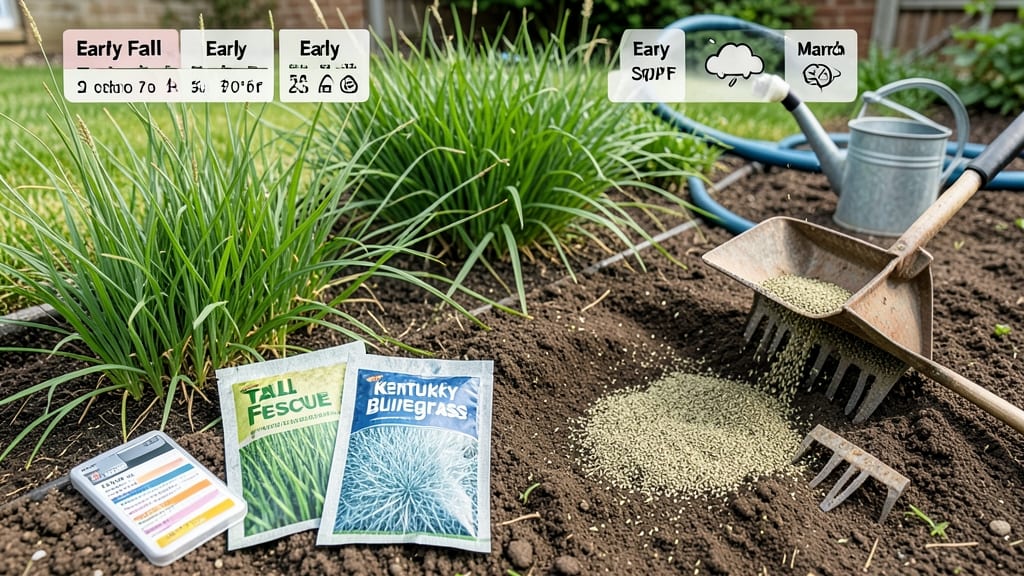
Planting grass seed in Kansas at the right time means the difference between a lush, green lawn and months of patchy, struggling turf 🌱—and the exact window depends on whether you’re in Zone 5b or 7a.
Picture this: you’ve just spread high-quality grass seed, only to watch it bake under July’s scorching sun or freeze before it takes hold in a late spring frost. That’s why timing isn’t just about the calendar—it’s about soil temperature, rainfall patterns, and knowing your local microclimate.
In Kansas, the sweet spot is either early spring (March-April) or late summer/fall (August-October), but getting it wrong can leave your wallet—and your lawn—thin. Below, I’ll break down the frost-free deadlines by zone, when to avoid planting, and how to prep your soil for success.
You’ll learn how to read your region’s frost dates, choose the best grass type for your climate, and keep your new seedlings thriving through Kansas’ unpredictable weather—so you can finally enjoy that year-round green space you’ve been dreaming of.
Kansas grass planting deadlines by hardiness Zone (2024 guide)
Timing your grass seed planting in Kansas is everything—get it wrong, and you’ll battle drought stress or late frosts that kill your seedlings before they sprout.
Kansas spans USDA zones 5b-7a, meaning your last frost can arrive as early as March 15 in western areas or as late as April 15 in eastern regions like Kansas City. Knowing your microclimate (e.g., Wichita’s hotter summers vs. Topeka’s cooler springs) helps you avoid costly mistakes.
Most Kansas gardeners swear by fall planting (late August to October) because cooler temps reduce water evaporation and weeds, while spring (March-April) gives seedlings a head start before summer’s heat stress. But soil temperatures matter just as much—ideal germination temps for most grass seed are 60-75°F.
If your soil is still cold in early spring, wait until it warms up to 55°F for at least 5 inches deep.
Here’s your zone-by-zone breakdown of frost-free planting windows, including soil temp thresholds and microclimate adjustments for Kansas City, Wichita, and Hays:
If you’re in Kansas City (Zone 7a), don’t rush to plant in early spring—wait until April 10 to avoid late frosts that can kill tender seedlings.
Meanwhile, Wichita’s Zone 6b heat means you’ll need to water twice daily during spring planting to prevent soil from drying out before seeds germinate. For western Kansas (Zone 5b), focus on fall planting to give seedlings time to establish before winter’s harsh freeze.
Pro tip: Use a soil thermometer to check depths—55°F at 2 inches is perfect for cool-season grasses like Kentucky Bluegrass, while 65°F is ideal for Tall Fescue.
If your soil is too cold, wait 1-2 weeks or use a seed starter blanket to warm it up. Warm-season grasses (like Bermuda) need even
How to choose the best month for grass seed in Kansas (cool vs. warm season grasses)
Kansas’ diverse climate means picking the wrong planting window for your grass type can spell disaster. Cool-season grasses like Kentucky Bluegrass thrive in fall, while warm-season grasses such as Bermuda need spring or summer heat.
Timing isn’t just about months—it’s about soil temps and rainfall patterns that vary by region.
For cool-season grasses, aim for late August to mid-October when soil temps drop below 75°F. This gives seeds time to germinate before winter. Warm-season grasses, however, demand April to early June when soil warms to 65°F+—planting too early risks dormancy or fungal issues.
Kansas’ variable rainfall adds another layer. Western Kansas (drier regions) benefits from fall planting to leverage autumn rains, while eastern Kansas (wetter) can handle spring sowing without overwatering risks.
Always check USDA Zone 6-7 frost dates—Wichita’s last frost is April 15, but Kansas City’s can linger until May 1.
Mistakes like planting Kentucky Bluegrass in July or Bermuda in October lead to poor germination or weed takeover. Test soil temps with a soil thermometer—cool-season grasses need 50–65°F, while warm-season types thrive at 70°F+.
If temps are too high or low, wait—patience prevents patchy lawns.
Pro tip: Early fall (September) is ideal for cool-season grasses because cooler temps reduce weed competition, and spring (April) works for warm-season types when soil is workable. Avoid November sowing—seeds may not establish before freezing temps.
For a year-round green lawn, combine cool-season and warm-season grasses—plant Kentucky Bluegrass in fall and Bermuda in spring. This overlapping strategy masks seasonal dormancy. Just remember: timing beats luck in Kansas gardening!