
Plants
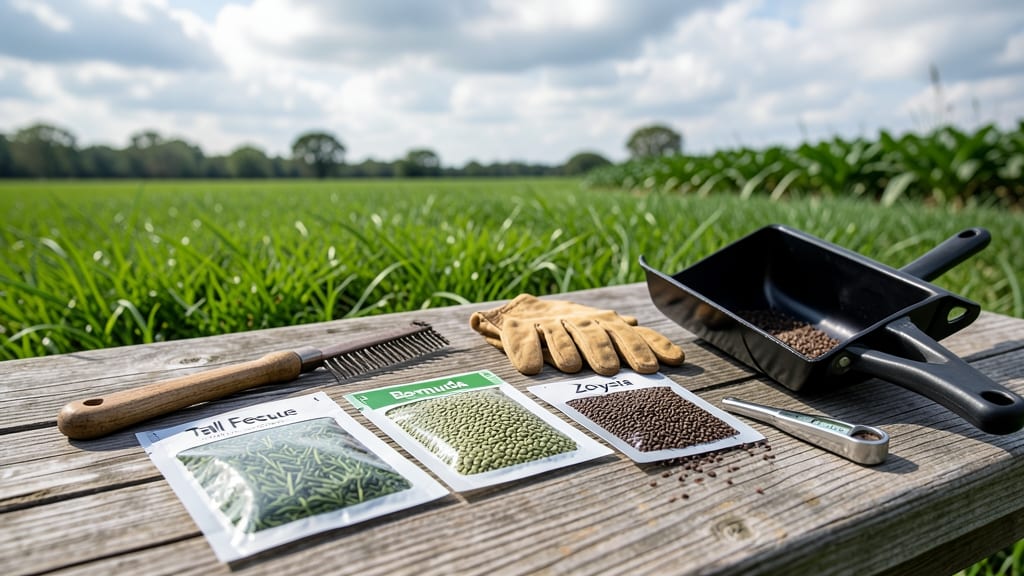
Planting grass seed in Georgia at the right time is the difference between a thick, green lawn and a patchy, weed-infested mess—especially in zones 7a-8b where heat and humidity play tricks on timing.
Picture this: you’ve raked, leveled, and spread the seed, only for a sudden heatwave to dry it out before it even sprouts. Or worse, planting too late in fall and watching frost kill your progress before roots take hold.
Georgia’s climate demands precision, and missing the window can cost you months of frustration.
Here’s the secret: the best months for planting grass in Georgia are early spring (March-April) or early fall (August-September), when soil temperatures hover between 60-75°F and rainfall is reliable.
But not all regions are created equal—Coastal Plain areas (like Savannah) can handle late spring starts, while the Blue Ridge Mountains need to lock in by early September to avoid early frosts.
In this guide, I’ll break down the exact planting windows for each of Georgia’s five climate zones, plus pro tips for soil prep, watering schedules, and seed selection to ensure your grass germinates fast, roots deep, and stays lush all season long.
Georgia’s best grass planting months by climate zone (with exact dates)
Georgia’s five distinct climate zones create wildly different conditions for grass seed success. In the humid Coastal Plain, summer heat demands early planting, while the Appalachian Plateau’s cooler temps allow later windows.
Ignoring these differences risks poor germination, weed competition, or heat stress. Let’s break down the ideal planting windows by zone, including soil temperature thresholds and weather risks to avoid.
For all zones, aim for soil temperatures between 60°F and 75°F—this sweet spot ensures consistent germination. Use a soil thermometer to check depths of 2-4 inches before planting. In Georgia, this typically aligns with early spring (March-April) or early fall (August-September), but exact dates vary dramatically by region.
Here’s your zone-by-zone planting schedule, including backup windows and critical weather risks:
The Coastal Plain’s early window (February-March) lets seeds germinate before summer’s brutal heat. Bermudagrass thrives here but needs consistent moisture—plant before April 15 to avoid drought stress. In the Piedmont, wait until soil warms above 60°F (usually mid-March) to prevent fungal diseases from spring rains.
For Blue Ridge gardeners, late March planting gives seeds time to establish before summer’s 100°F+ temperatures. The Appalachian Plateau’s cooler climate allows later fall planting (until November), but watch for early snow—cover seeds with straw mulch if frost threatens.
The Ridge & Valley zone bridges these extremes, favoring tall fescue blends that tolerate both heat and cooler nights.
Avoid planting when forecasted highs exceed 90°F—grass seeds dry out in under 30 minutes in direct sun. In fall, stop by October 15 in most zones to allow 4-6 weeks of root growth before winter dormancy.
Use a seed germination calculator (like those from the UGA Extension) to adjust for your exact location’s microclimate.
Pro tip: Test your soil’s moisture-holding capacity before planting. Sandy soils in the Coastal Plain may need hydro-mulch to retain water, while clay soils in the Piedmont benefit from gypsum amendments to improve drainage.
Always water lightly twice daily (morning and evening) for the first 14 days to keep seeds moist without washing them away.
Timing isn’t just about months—it’s about weather patterns. Check the NOAA Climate Predictions Center for your county’s 30-day forecast before planting. If rainfall is below 1 inch/week, delay until conditions improve or invest in irrigation.
Remember: Fall planting often yields 80% better results than spring due to cooler temps and fewer weeds.
For shaded lawns (common in the Blue Ridge), choose fine fescue and plant in early fall when trees drop leaves. This gives seeds 6-8 weeks of sunlight before winter.
How to adjust your planting timeline for Georgia’s unpredictable weather
Georgia’s weather can throw curveballs—one week you’re shivering through late spring frosts, the next you’re battling summer droughts that dry out fresh grass seeds faster than you can water. The key to success?
Flexibility. While March-April and August-September are ideal, knowing how to pivot when Mother Nature deviates keeps your lawn thriving. Start by monitoring soil temperatures—they’re the real indicator, not just calendar dates.
If your area experiences a delayed spring, don’t panic. Many cool-season grasses like tall fescue can handle light frosts, so wait until soil temps hit 55-65°F before planting. Use a soil thermometer ($10 at garden centers) to check—this beats guessing.
For warm-season grasses like Bermuda, push back until soil reaches 65-75°F, even if it’s June. Timing matters more than sticking to a rigid schedule.
⚠️ WARNING: Georgia’s Unpredictable Weather Pitfalls ⚠️
For backup planting windows, think outside the box.
If your primary window (March-April) gets ruined by rain or frost, try late May for warm-season grasses—just add shade cloth if temps spike above 90°F. In the fall, September-October works for cool-season types, but stop by October 15 to avoid winter dormancy stress.
Pro tip: Overseed in November if your lawn’s still thin—grasses like ryegrass germinate quickly in cool soil.
Choose resilient seed varieties to hedge your bets. For drought-prone areas (like the Coastal Plain), opt for Bermuda or Zoysia—they bounce back from dry spells. In highland zones (Blue Ridge), tall fescue or fine fescue handle cooler temps and uneven moisture.
Always check the seed packet’s maturity date—faster germinators (like annual ryegrass) give you a 10-day head start over slower varieties.
Prep your soil like a weatherproof shield. Two weeks before planting, till 2-3 inches deep to loosen compacted layers (common in Georgia’s clay-heavy soils). Mix in 2-3 inches of compost to improve water retention, and top with 1/4-inch of peat moss to prevent crusting during downpours.
For sandy soils (common in Piedmont), add hydrated lime to slow moisture loss. Test your soil’s pH (6.0-7.0 is ideal)—adjust with sulfur or lime if needed.
Once seeds hit the ground, watering discipline is your secret weapon. Keep soil consistently moist (not soggy) for the first 21 days—use a sprinkler timer set to 10-15 minutes every morning at dawn. If a heatwave hits, switch to drip irrigation to avoid fungal diseases.
Mulch with straw (not hay) to lock in moisture and shield seeds from bird pecking or hard rains. With these adjustments, your grass will establish roots even if Georgia’s weather plays havoc.