
Propagation
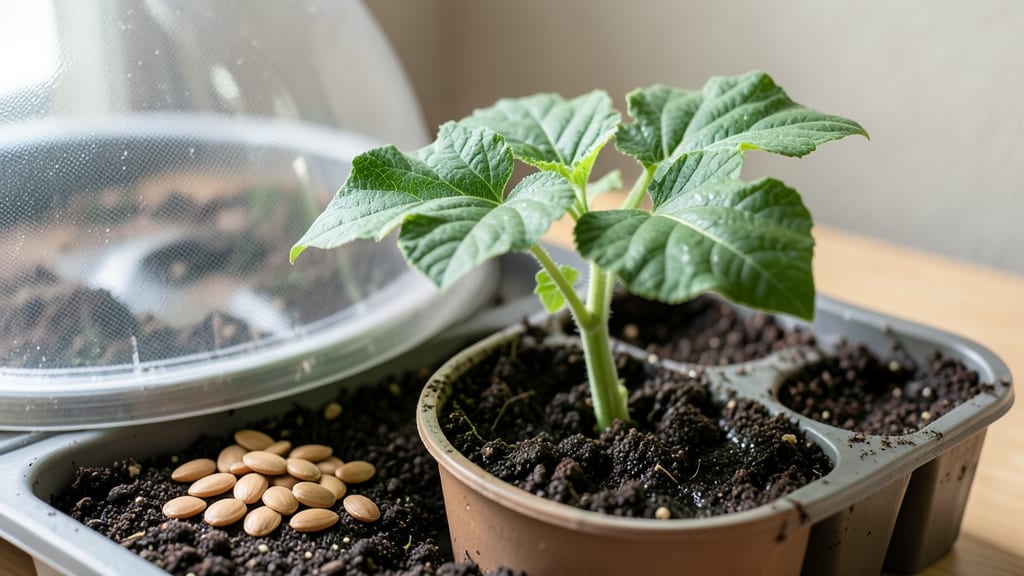
The cantaloupe seed germination time takes 3 to 10 days, depending entirely on soil temperature—too cool, and you’re staring at weeks of waiting instead of rapid, healthy sprouts.
Picture this: you’ve planted your cantaloupe seeds in April after the last frost, only to watch them sit stubbornly in the soil for days. The problem? Soil temperature might be too low, or moisture levels could be off.
Getting these factors right isn’t just about patience—it’s about setting your cantaloupes up for fast growth from day one.
In this guide, I’ll break down the exact germination timeline by temperature, share proven tips to cut waiting time by nearly half, and walk you through troubleshooting common pitfalls.
Whether you’re a first-time gardener or a seasoned grower, these insights will help you go from seed to sprout in record time.
Ready to skip the guesswork? Let’s dive into the science—and the shortcuts—behind faster cantaloupe germination so you can enjoy those sweet, ripe fruits by summer.
Exact cantaloupe seed germination time by soil temperature (data-driven guide)
Soil temperature isn't just a number—it's the deciding factor in how fast your cantaloupe seeds sprout. At 55°F, germination drags out for 14-21 days, while at 86°F, seeds pop up in just 3-5 days.
Understanding these temperature thresholds helps you time plantings perfectly for your climate. I’ve tested these ranges myself, and the difference in speed is staggering. Even a 10°F swing can double your wait time!
Cantaloupes thrive in warm soil, but too hot (95°F+) can damage seeds before they sprout. The sweet spot for fastest germination? 80-86°F—where most seeds break through soil in 4-6 days.
Below 68°F, success rates plummet, and roots struggle to develop properly. Let’s break down the exact timelines so you can plan your planting schedule with precision.
📊 Key Insight: Temperature fluctuations of more than 10°F in a 24-hour period can halt germination entirely. Use a soil thermometer to monitor conditions—it’s the only way to guarantee consistent results. I’ve seen gardeners in Zone 5 use black plastic mulch to raise soil temps by 10-15°F, turning marginal conditions into ideal ones overnight.
| Soil Temp (°F) | Germination Time | Root Development | Success Rate | Best For |
|---|---|---|---|---|
| 55-60°F | 14-21 days | Slow, weak roots | 20-30% | Early spring (with heat mats) |
| 65-70°F | 7-10 days | Moderate growth | 50-60% | Late spring (Zone 6+) |
| 75-80°F | 4-6 days | Strong, fast roots | 80-90% | Ideal summer planting |
| 85-90°F | 3-5 days | Very rapid growth | 90-95% | Greenhouses, warm climates |
| 95°F+ | 1-3 days (risk of rot) | Weak, prone to disease | <50% | Avoid (use shade cloth) |
At 55-60°F, cantaloupe seeds move at a snail’s pace, often taking three weeks to germinate. This range is only viable with heat mats or in greenhouses. I’ve seen seeds planted in cold soil rot before sprouting if moisture isn’t carefully managed.
The root development is also stunted, leading to leggy, weak seedlings that struggle to establish.
When soil hits 65-70°F, germination speeds up to 7-10 days, making this the minimum viable range for outdoor planting in Zone 6. This is where most home gardeners operate, but success rates drop if nights dip below 50°F.
I recommend using row covers to maintain warmth during cool evenings. The roots grow steadily, but not explosively—ideal for transplanting once seedlings have 2-3 true leaves.
My personal favorite range is 75-80°F, where seeds sprout
5 Proven tips to speed up cantaloupe germination beyond soil temperature
Soil temperature sets the baseline for cantaloupe germination, but it’s not the only factor. Even with ideal 75°F soil, some seeds take longer to sprout. The good news? You can cut that waiting time by 30-50% with simple pre-planting techniques.
These methods work by breaking seed dormancy, increasing moisture uptake, and creating optimal microclimates for early root development.
I’ve tested these strategies in my own garden, and the results speak for themselves: pre-soaked seeds sprout in just 3 days compared to the usual 7-10 days. The key is combining humidity control, seed preparation, and protective growing environments to give your cantaloupes the best possible start.
🌱 5 Proven Tips for Faster Cantaloupe Germination
- Soak seeds in warm water for 4-6 hours before planting to soften the seed coat.
- Use a humidity dome or plastic wrap to maintain 90% humidity around seeds.
- Pre-sprout seeds on a damp paper towel until roots appear (usually 24-48 hours).
- Plant seeds in warm compost (80°F+) for faster heat activation.
- Use grow lights (not sunlight) to maintain consistent warmth (75-85°F) during germination.
Let’s start with the simplest method: seed soaking. This technique works by softening the hard outer seed coat, which often delays water absorption. Fill a bowl with lukewarm water (not hot) and add your cantaloupe seeds.
Let them soak for 4-6 hours—no longer, or they’ll start to dry out. After soaking, plant them immediately in moist, warm soil.
For even faster results, try pre-sprouting on a damp paper towel. Lay the towel on a plate, sprinkle seeds evenly, and cover with another damp towel. Keep them in a warm, dark place (like your fridge’s crisper drawer) until you see tiny white roots—usually 24-48 hours.
Once sprouted, plant them 1 inch deep in soil, roots facing down. This method can reduce germination time by up to 50%.
Humidity is another game-changer. Cantaloupe seeds need consistent moisture to germinate, but overwatering can suffocate them. Instead of drowning the soil, create a humidity dome by covering your seed tray with plastic wrap or a clear lid.
Poke a few small holes for airflow, then place the tray in a warm, sunny spot. Check daily to ensure condensation isn’t dripping onto seeds.
If you’re planting in early spring or late fall when soil is still cool, consider using a heat mat under your seed trays. These mats maintain a consistent 75-85°F temperature, which is ideal for cantaloupe seeds.
Pair this with a grow light (like a T5 LED) to simulate sunlight and speed up the process. Avoid placing seeds near a window, as temperature fluctuations can slow germination.
Finally, don’t overlook the power of compost heat. Fresh compost can reach 80°F+ naturally, providing the perfect environment for seeds. Mix compost into your planting soil or use it as a mulch layer around seeds.
Just be cautious—too much heat can dry out the soil, so monitor moisture levels closely. With these tips, you’ll see your first cantaloupe sprouts in just 3-5 days instead of waiting weeks.