
Blooming
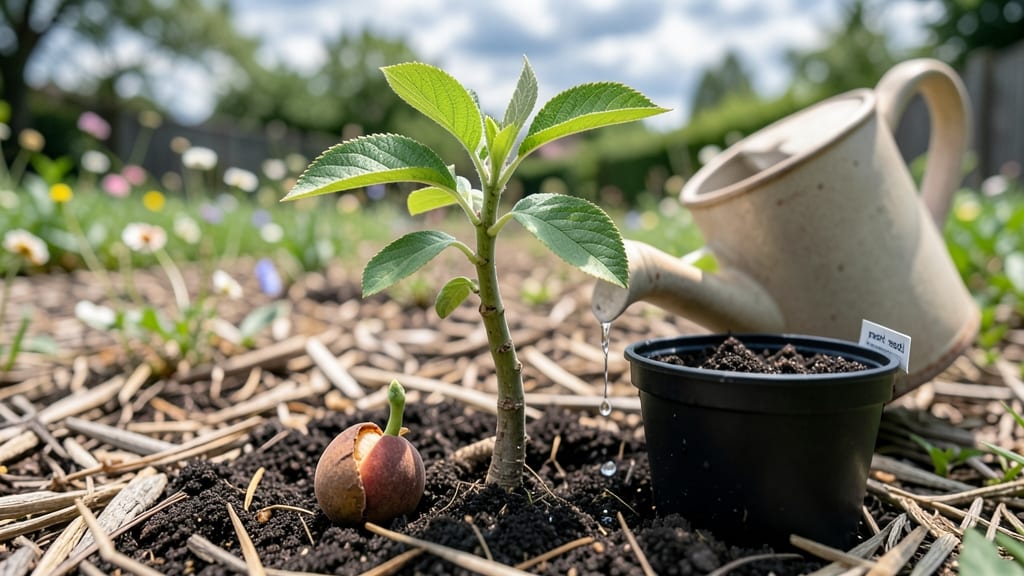
To sprout a peach seed 🍑 takes anywhere from 2 to 12 weeks, depending on whether you’re in a warm zone or a cold one — and whether you’ve prepped the seed right.
Ever wondered if that peach pit in your fruit bowl could grow into a tree? The journey from seed to sprout is fascinating—and the timing depends more on your climate than you might think.
Without the right mix of moisture and warmth, those seeds can sit for months doing nothing. But with a little help—like a cold spell to break dormancy—you’ll see tiny roots in as little as 10 days in ideal conditions.
Below, I’ll walk you through the exact steps to speed up germination, from stratification tricks to soil prep, so you’re not left waiting all summer for that first green shoot.
Peach seed germination timeline: from planting to first sprout in ideal conditions
Growing a peach tree from a seed is a rewarding but patient process. While store-bought peach trees offer faster fruit production, seeds require careful stratification and the right conditions.
Under ideal circumstances, you can expect to see your first peach seed sprout anywhere from 2 to 12 weeks, depending on how you prepare the seed and your local climate.
Peach seeds, like many stone fruits, need a cold stratification period to break dormancy. This mimics the natural winter cycle the seed would experience in the ground. Without this step, germination can take months longer or fail entirely.
Once stratified, maintaining the right moisture levels and temperature range (60-75°F) will speed up the process significantly.
In my experience, the most critical factor is seed viability. Fresh seeds from ripe peaches germinate faster than dried or old seeds.
If you’re using seeds from a grocery store peach, they may have been stored too long and could take up to 3-4 months to sprout—or never sprout at all. Always start with the freshest seeds possible for the best results.
Now, let’s break down the exact germination timeline from seed to sprout, including the essential steps you’ll need to follow:
🌱 Step-by-Step Peach Seed Germination Timeline
-
Week 0: Seed Preparation
Clean the seed by removing flesh remnants and let it dry for 1-2 days at room temperature.
-
Week 1-2: Cold Stratification (Critical Step!)
Place the seed in a moist paper towel inside a sealed plastic bag. Store in your refrigerator (34-40°F) for 4-8 weeks. Check weekly for mold.
-
Week 3-4: Post-Stratification Soak
Remove the seed and soak it in lukewarm water for 24 hours to rehydrate. This step kickstarts the germination process.
-
Week 4-6: Planting in Soil
Plant the seed 1 inch deep in a well-draining potting mix or directly in the ground after the last frost. Use a small pot (6+ inches) for indoor starts.
-
Week 6-8: First Sprout Emerges!
Keep soil consistently moist (not soggy) and place in bright, indirect light. The first tiny green shoot should appear in 2-4 weeks after planting.
-
Week 8-12: Seedling Growth
Once the seedling reaches 3-4 inches tall, transplant outdoors in spring after frost danger. Harden off for 7-10 days before moving.
Under perfect conditions—fresh seeds, proper stratification, and warm soil—the first peach seed sprout typically appears within 6-8 weeks of planting. However, if you’re in a cooler climate or using older seeds, don’t be surprised if it takes up to 12 weeks or longer. Patience is key here!
Once your seedling emerges, it’s crucial to provide full sun exposure (6+ hours daily) and well-draining soil to encourage strong growth. Young peach trees are sensitive to frost, so protect them during their first few years.
If you’re growing indoors, a grow light can supplement natural light until you’re ready to transplant.
Remember, not all peach seeds will germinate—some may be non-viable or require even longer stratification. If you plant multiple seeds, you’ll increase your chances of success.
And if you’re lucky enough to get a sprout, prepare for a decade-long wait for fruit, as peach trees grown from seed often take 5-7 years to bear edible peaches.
For the best results, combine your stratification efforts with a warm, sunny location and consistent moisture. With these steps, you’ll be well on your way to growing your own peach tree from that humble seed! 🌳
How climate zones affect peach seed germination speed (zone 3-10 comparison)
Your USDA climate zone plays a huge role in how quickly peach seeds sprout. In Zone 10, you might see roots in just 7-14 days, while gardeners in Zone 3 could wait 8-12 weeks or longer. The difference comes down to temperature and how you prep your seeds.
Peach seeds need stratification—a cold period—to break dormancy. Without it, seeds in cooler zones may never sprout. Meanwhile, warmer zones can skip stratification but need consistent moisture to prevent drying out.
Here’s how your climate zone impacts germination speed, along with the best planting windows and pro tips to speed things up:
If you’re in a cooler zone (3-6), start seeds indoors under grow lights after stratification. Place them near a sunny window or use a seedling heat mat to mimic spring warmth. For warmer zones (7-10), direct sowing works best—just keep soil consistently moist.
No matter your zone, test seed viability first by soaking pits in water for 24 hours. Only floating seeds are viable—sinkers won’t sprout. This quick check saves weeks of waiting!
Once your peach seed sprouts, transplant it carefully to avoid root damage. In cooler zones, wait until after the last frost—usually mid-April in most regions. In warmer zones, you can transplant as soon as roots appear.