
Propagation
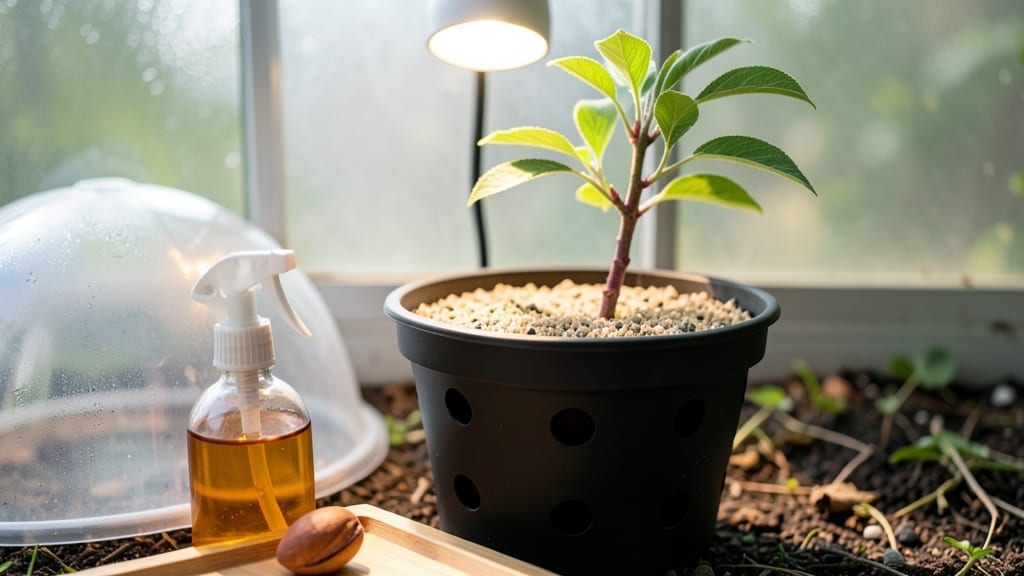
Growing a peach tree from seed indoors lets you watch nature’s magic unfold on your windowsill. 🌱 The process starts with a simple pit from your favorite peach, but patience and the right setup turn it into a thriving seedling—even if it won’t produce true fruit.
I’ve nursed three from seed, and the first green shoot always feels like a tiny victory.
You’ll need just a few supplies: a peach pit (washed and dried), paper towels, a plastic bag, and a sunny windowsill. The key is keeping the pit moist but not soggy while it germinates, which can take 4-8 weeks.
Most beginners rush this step, but slow and steady wins the race—weak seedlings often come from impatience.
Once sprouted, the real challenge begins: mimicking outdoor conditions indoors. Your seedling will crave 6+ hours of sunlight daily, so a south-facing window or grow light is non-negotiable. Humidity trays or misting keep those delicate leaves from crisping, and repotting every 6-12 months prevents root-bound frustration.
When spring arrives, you’ll face the big decision: keep it indoors as a houseplant or transplant it outside. Either way, this project teaches resilience—just like the tree itself. The blooms might not be fruit-bearing, but the journey is pure joy for plant lovers.
📚 In This Guide
- What you need
- Instructions
- Tips and common mistakes
- Wrapping up and next steps
What you need
- ● Peach pit (seed): A fresh, plump peach pit (avoid cracked or shriveled ones). Quantity: 1–2.
- ● Small pots or seed trays: 3–4 inch diameter pots with drainage holes. Quantity: 2–3 (one for germination, one for transplanting).
- ● High-quality potting mix: A well-draining, sterile seed-starting mix (avoid garden soil). Quantity: ~1–2 lbs.
- ● Plastic wrap or humidity dome: To retain moisture during germination.
- ● Spray bottle: For gentle watering (avoid over-saturating the soil).
- ● Grow lights or sunny windowsill: A south-facing window (6+ hours of sunlight daily) or a 12–16 hour LED grow light.
- ○ Heat mat (optional but helpful): A seedling heat mat (55–75°F) to speed up germination.
- ● Fertilizer: A balanced, water-soluble fertilizer (5-10-5 or 10-10-10) for young seedlings.
- ● Stratification setup: A refrigerator or cold stratification kit to break seed dormancy (if your pit doesn’t sprout easily).
- ● Humidity tray: A shallow tray with pebbles and water to maintain consistent moisture.
- ● pH meter or test kit: To ensure soil pH is between 6.0–7.0 (ideal for peach trees).
- ● Pruning shears: For trimming leggy seedlings later on.
- ● Label markers: To track planting dates and varieties (especially if growing multiple seeds!).
Step-by-step instructions for growing a peach tree from seed indoors
Here's how to coax a peach tree from seed into a thriving indoor plant—it's slower than grafting, but the reward is watching fruit develop on your windowsill.
🌱 Step 1: Select and Prepare the Seed
Choose a fresh, plump peach pit from a ripe fruit—avoid bruised or cracked seeds, as they won't germinate well. Remove the outer fleshy layer by rubbing the pit between your fingers under running water until only the hard stone remains. This ensures no residual fruit sugars interfere with germination.
Place the clean pit in a small container and cover it with lukewarm water for 24-48 hours. The seed coat is naturally waterproof, so this soaking softens it and speeds up germination. Change the water after 24 hours to prevent bacterial growth. You'll know it's ready when the pit feels slightly softer to the touch.
💧 Step 2: Germinate the Seed in a Warm, Moist Environment
Fill a small pot or container with a mix of 50% perlite and 50% moist potting soil. Perlite improves drainage and prevents rot, which is critical for peach seeds that dislike soggy conditions. Press the soaked pit 1 inch deep into the soil, leaving the pointed end facing upward—this is where the shoot will emerge.
Cover the pot with clear plastic wrap or a humidity dome to create a greenhouse effect. Place it in a warm spot, ideally between 75-85°F, such as on top of a refrigerator or near a sunny window. Germination can take 2-6 weeks, depending on temperature and seed freshness. Keep the soil consistently moist but never waterlogged—tap the pot gently to check moisture before adding more.
☀️ Step 3: Transplant and Provide Light for Early Growth
Once the seedling emerges, remove the plastic cover immediately to prevent fungal growth. The first leaves to appear are called cotyledons—these are the seed's food supply, not true leaves. Wait until the first true leaves (smaller, serrated, and peach-colored) develop before transplanting to a 4-inch pot with fresh potting soil.
Place the pot in a location with bright, indirect light for the first 2 weeks. Direct sunlight can scorch tender young leaves. Gradually introduce it to more light over 7-10 days, watching for signs of stress like yellowing or wilting. A south-facing window is ideal, but supplement with a grow light if natural light is insufficient—peach trees need 6-8 hours of light daily to thrive.
🪴 Step 4: Maintain Growth and Prune for Structure
After 3-4 months, when the seedling reaches 6-8 inches tall, prune the top set of leaves just above a leaf node to encourage branching. This step is crucial—peach trees grown from seed often grow leggy and unbalanced without intervention. Use clean, sharp scissors to make a clean cut at a 45-degree angle to prevent disease entry.
Continue repotting the tree every 12-18 months into a pot 2-3 inches larger in diameter to accommodate root growth. Use a well-draining potting mix and ensure the new pot has drainage holes. Water when the top 1-2 inches of soil feel dry, but avoid letting the tree sit in water—peach trees are prone to root rot. Fertilize lightly with a balanced, water-soluble fertilizer every 4-6 weeks during the growing season.
⏰ Step 5: Winter Care and Long-Term Maintenance
Peach trees need a period of dormancy to flower and fruit. In winter, reduce watering and move the tree to a cooler spot, ideally between 40-50°F, for 6-8 weeks. This mimics outdoor winter conditions and triggers blooming. You'll notice buds forming in early spring—this is your cue to return the tree to its usual growing conditions and increase watering gradually.
Indoor-grown peach trees may take 5-7 years to bear fruit, but the process is rewarding. Watch for signs of pests like aphids or spider mites, which thrive in dry indoor air. Treat infestations immediately with insecticidal soap or neem oil. With patience and care, your windowsill peach tree can produce small, sweet fruit—though it may not be as flavorful as store-bought varieties, the experience is unmatched.
Tips & tricks for growing a thriving indoor peach tree
Here's what I learned after watching my first peach seedling go from sprout to small tree—these details make all the difference between success and frustration.
Seed Selection Matters: Don't just grab any peach pit—choose one from a ripe, locally grown fruit if possible. The genetic diversity in heirloom varieties often germinates better than supermarket peaches. I've found that pits from yellow-fleshed peaches tend to germinate more reliably than white-fleshed ones. Once you've selected your pit, the 24-48 hour soaking period is non-negotiable—this breaks the seed's natural dormancy cycle and prevents that frustrating "no sprout" scenario many beginners face.
Germination Environment Secrets: While the instructions mention 75-85°F as ideal, I've discovered that consistent warmth is more important than hitting that exact range. Place your pot on top of a refrigerator or near a heat vent—just avoid direct heat sources that can dry out the soil. The 2-6 week germination window can feel like an eternity, so I recommend marking your calendar and checking daily for that first tiny crack in the soil. Pro tip: If you're impatient, try the "paper towel method" as a backup—wrap the soaked pit in a damp paper towel and place it in a sealed bag in a warm spot. You'll often see sprouts in just 7-10 days this way.
Light Transition Strategy: The first 2 weeks of bright indirect light are crucial, but don't be fooled by what "bright" means. What looks like perfect light to you might be too intense for delicate seedlings. I learned this the hard way when my first leaves turned crispy from windowsill sunlight. Start with morning light only, then gradually move to full sun exposure over those 7-10 days. For indoor growers, a simple trick is to place your tree near a window with sheer curtains—this diffuses the light while still providing those essential 6-8 hours daily. If you notice leaves cupping upward or turning pale yellow, it's a sign you're giving too much direct light.
Pruning Insight: When you reach that 3-4 month mark and need to prune your 6-8 inch seedling, don't just cut the top leaves—look for the strongest branch below to encourage growth. I've seen many beginners make the mistake of cutting too close to the base, which can stunt future growth. Always make your 45-degree cuts just above a leaf node where you want new growth to emerge. This technique creates a more balanced tree structure right from the start, which is especially important for indoor trees that won't get natural wind pruning like outdoor varieties.
Pro Tips for Grow A Peach Tree From A Seed Indoors
- Here's what I learned after watching my first peach seedling go from sprout to small tree—these details make all the difference between success and frustration.
- Seed Selection Matters: Don't just grab any peach pit—choose one from a ripe, locally grown fruit if possible.
- Germination Environment Secrets: While the instructions mention 75-85°F as ideal, I've discovered that consistent warmth is more important than hitting that exact range.
Frequently asked questions
Got questions about growing a peach tree from seed indoors?
Here are the answers to the most common ones—so you can troubleshoot, plan, and succeed like a pro!
How long does it take for a peach seed to sprout?
A peach seed typically sprouts in 2–4 weeks after planting, depending on warmth and moisture. If you don’t see sprouts after 6 weeks, gently check for mold or rot—adjust humidity or replant if needed. Patience is key! Pro tip: Use a heat mat to speed up germination.
When can I transplant my indoor peach seedling outdoors?
Wait until spring after the last frost (when night temps stay above 50°F/10°C) and the seedling has 3–4 true leaves. Harden it off for 1–2 weeks by placing it outside for a few hours daily. Young trees are delicate—rush this step, and you risk shock!
Will my homegrown peach tree produce fruit?
Probably not the first year—or even the second! Peach trees from seed can take 5–7 years to bear fruit, and the quality may vary (smaller, less sweet). For faster, reliable fruit, graft a known variety onto your seedling later. Think of this as a long-term project with a sweet payoff!
Why is my seedling wilting or turning yellow?
Overwatering (root rot) or underwatering are the top culprits. Check soil moisture—it should stay lightly damp, not soggy. Yellow leaves can also signal nutrient deficiency (use a balanced fertilizer) or pests (inspect for aphids or spider mites). Adjust care and monitor closely!
Can I grow a peach tree from store-bought peaches?
Yes! Just ensure the peach is organic or pesticide-free (non-organic seeds may not sprout). Avoid hybrid varieties (like "Redhaven")—they often don’t grow true to type. Stick to heirloom or fresh, locally sourced peaches for best results.
Do I need to provide extra warmth for germination?
Peach seeds thrive in 70–80°F (21–27°C). Use a seedling heat mat ($10–$15) or place the pot on top of your fridge. Without warmth, germination can take months—or fail entirely. A sunny windowsill won’t cut it!
How big will my indoor peach tree grow?
Indoors, expect a dwarf tree (3–6 ft tall) with pruning. Outdoors, it can reach 15–20 ft if unpotted. If you want a full-sized tree, transplant it to a large container (20+ gallons) or garden bed. Just remember: Big dreams need big space!
Wrapping up and next steps
Growing a peach tree from seed indoors is a rewarding journey that combines patience, care, and a little bit of magic! 🌱 You’ve learned the essential steps—from selecting the right seed to nurturing your sapling—so now it’s time to watch your tiny effort bloom into something extraordinary.
Remember, even if the tree takes years to fruit, the joy of witnessing its growth is priceless.
Ready to take the next step? Once your seedling is strong enough, consider transplanting it outdoors (if your climate allows) or simply enjoying its beauty as an indoor centerpiece. Either way, you’ve already planted the seeds for success—literally! 🌟