
Plants
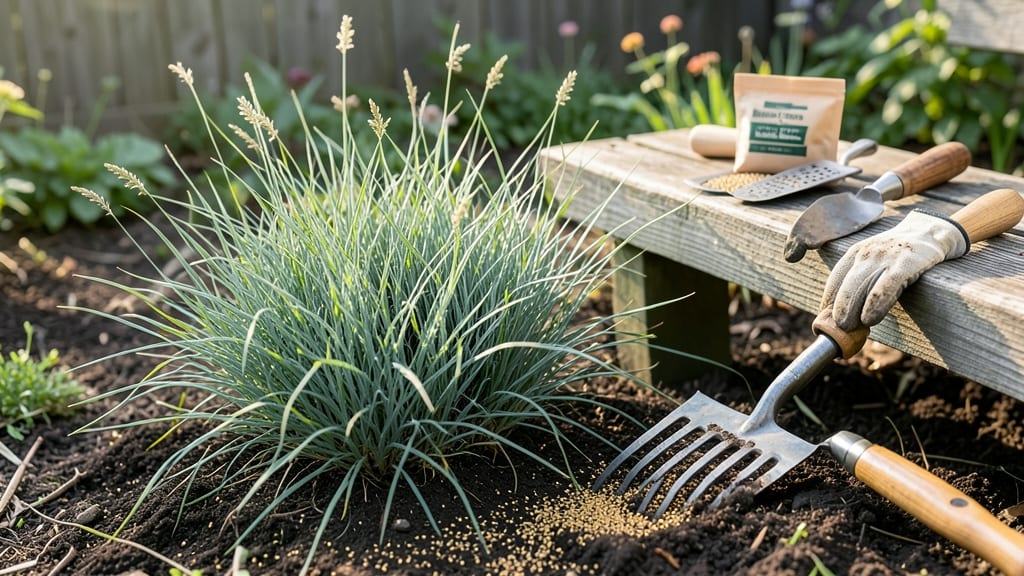
Plant buffalo grass seed in Texas during late summer to early fall—when soil temperatures dip below 85°F and the brutal heat starts to ease.
Texas homeowners know that a lush, drought-resistant lawn is a year-round goal—but planting buffalo grass seed at the wrong time can turn your hard work into disappointment. Timing isn’t just about seasons; it’s about avoiding extreme heat, ensuring proper germination, and outsmarting Texas’ unpredictable weather patterns.
If you’ve ever watched your freshly sown grass seeds bake under 100°F afternoons or struggle to take root in sweltering summer air, you know how critical the right window is.
The key is planting when the ground is warm enough to support growth but cool enough to prevent seed stress—typically between August and September for most of the state.
In this guide, I’ll break down the best months by region, share soil prep secrets to boost germination rates, and reveal the one mistake that kills more buffalo grass lawns than anything else. Let’s get that drought-proof lawn growing right.
Best months to plant buffalo grass seed in Texas by region
Texas’ diverse climate means one planting window doesn’t fit all. Buffalo grass seed thrives when soil temps hover between 50-65°F, but timing varies wildly from North Texas’ cooler winters to South Texas’ extended summers.
I’ve planted this drought-resistant grass across multiple regions, and I’ve learned that late summer to early fall is the golden window—but with regional tweaks.
In North Texas (USDA Zones 7b-8a), where winters dip below freezing, August-September is ideal. The heat of July is still too intense for consistent germination, but by August, daytime highs start cooling enough for seeds to sprout without stress.
Meanwhile, Central Texas (Zones 8a-8b) can stretch planting into early October thanks to milder winters, while South Texas (Zones 9a-10b) gardeners often plant as late as October-November to avoid hurricane season disruptions.
Here’s how to navigate the best planting months for each Texas region, including strategies for microclimates and heat-sensitive areas:
| Region | USDA Zone | Best Planting Window | Why This Timing? | Microclimate Adjustments |
|---|---|---|---|---|
| North Texas | 7b-8a | August 15 - September 15 | Soil temps ideal (60-70°F), avoids late-summer droughts and early-fall freezes | Mountain areas (e.g., Davis Mtns): Plant 2 weeks earlier (late July) |
| Central Texas | 8a-8b | August 1 - October 10 | Extended growing season; cooler nights by September prevent heat stress | Hill Country: Add shade cloth if planting in September for extra protection |
| South Texas | 9a-10b | September 1 - November 1 | Humidity helps germination; avoids hurricane season (June-Nov) disruptions | Coastal areas: Plant in October to escape late-summer heatwaves |
| All Regions | ||||
| Avoid planting when: | Soil temps > 75°F | Forecasted rain > 0.5" in 48 hours | Daytime temps > 95°F for 3+ days | |
For North Texas gardeners, I recommend planting buffalo grass seed in mid-August if your area experiences early heatwaves. Test soil temps with a simple soil thermometer—aim for 60-70°F at 2-inch depth.
In Central Texas, you’ve got flexibility until early October, but watch for unpredictable September rain, which can wash seeds away. I’ve seen success planting in shaded microclimates (like under large oak trees) as late as October 15 in this region.
In South Texas, where summers drag into October, September planting is ideal. The humidity levels rise, creating a more stable moisture environment for seeds. However, if you’re in coastal areas like Corpus Christi, delay until October to avoid the brutal September heat.
Pro tip: Use a lightweight straw mulch to retain moisture during these hotter windows.
Microclimates play a huge role in Texas. If you’re in a valley or low-lying area, you might experience 3-5°F warmer soil temps than nearby hills. Adjust your planting by 1-2 weeks later in these spots.
Conversely, elevated areas (like West Austin’s hills) can cool faster—plant 1-2 weeks earlier. Always scout your yard for shady spots or sun-exposed patches before committing to a planting date.
One mistake I’ve seen new Texas gardeners make is planting too early in hopes of beating the heat. Seeds planted in June or early July often bake in the soil or get washed away by sudden summer storms.
The late summer window (August-September) gives seeds time to establish roots before fall rains and winter dormancy set in.
If you miss the ideal window, don’t panic. Buffalo grass is resilient, and you can plant in early spring (March-April) for a second-chance lawn. However, spring planting requires extra watering to combat spring droughts, and germination takes longer due to warmer soil temps.
For best results, stick to the fall window and focus on soil prep—lightly till, remove debris, and water deeply before seeding.
Remember, Texas weather is unpredictable. Always check the 10-day forecast before planting. If heavy rain is predicted, wait until conditions stabilize. With the right timing, your buffalo grass lawn will establish deep roots and thrive through Texas’ long, hot summers with minimal water.
Critical factors that determine your planting success in Texas
Planting buffalo grass seed in Texas isn’t just about picking a month—it’s about understanding the hidden triggers that make or break germination. The soil temperature must stay between 50-65°F for seeds to sprout properly, while rainfall patterns can either soak your seeds just right or wash them away entirely.
Even the heat tolerance limits of buffalo grass (up to 95°F) mean timing matters more than you think.
Texas’ unpredictable weather adds another layer of complexity. A late summer planting might work in North Texas but fail in South Texas due to lingering heat. Meanwhile, early fall showers can create perfect moisture conditions—if you’ve prepped your soil correctly.
Skipping these critical factors often leads to failed germination or weak grass that struggles to establish.
| Factor | Ideal Condition | Texas-Specific Tip |
|---|---|---|
| Soil Temperature | 50-65°F | Use a soil thermometer—wait until nights cool below 80°F. |
| Rainfall Timing | 0.5-1 inch/week | Plant before monsoon season (July) or after early fall rains (September). |
| Heat Tolerance | Up to 95°F | Avoid planting when daytime temps exceed 90°F for 3+ days. |
| Soil Prep | Loose, debris-free | Lightly rake existing lawn or till bare soil to 2-3 inches deep. |
One of the biggest mistakes I see is ignoring soil prep before planting. Buffalo grass thrives in well-draining soil, but Texas’ clay-heavy soils often need amendments like compost or gypsum to improve structure.
Without this step, seeds struggle to access moisture and nutrients, leading to patchy growth. I always recommend testing your soil’s pH (ideal: 6.0-7.5) and adjusting with lime or sulfur if needed.
Watering is another make-or-break factor. Buffalo grass seeds need consistent moisture during germination, but overwatering can drown them. I use a drip irrigation system set to deliver ¼ inch of water daily until sprouts appear (about 10-14 days).
After that, reduce to deep, infrequent watering to encourage deep root growth—a critical adaptation for Texas’ droughts.
Don’t overlook the competition factor. Weeds and existing grass can choke out buffalo grass seedlings. I always apply a pre-emergent herbicide 2-3 weeks before planting to suppress weeds, then follow up with post-emergent treatments if needed.
This extra step saved my first lawn from becoming a weed battleground instead of a buffalo grass paradise.
Finally, monitor your progress like a hawk. Healthy buffalo grass seedlings should appear in 10-21 days, with full coverage in 6-8 weeks. If germination is slow, check for uneven moisture or soil compaction.
Adjust your watering schedule or aerate the soil immediately—don’t wait until it’s too late. With these factors in check, your Texas lawn will be thriving in no time.