
Lawn
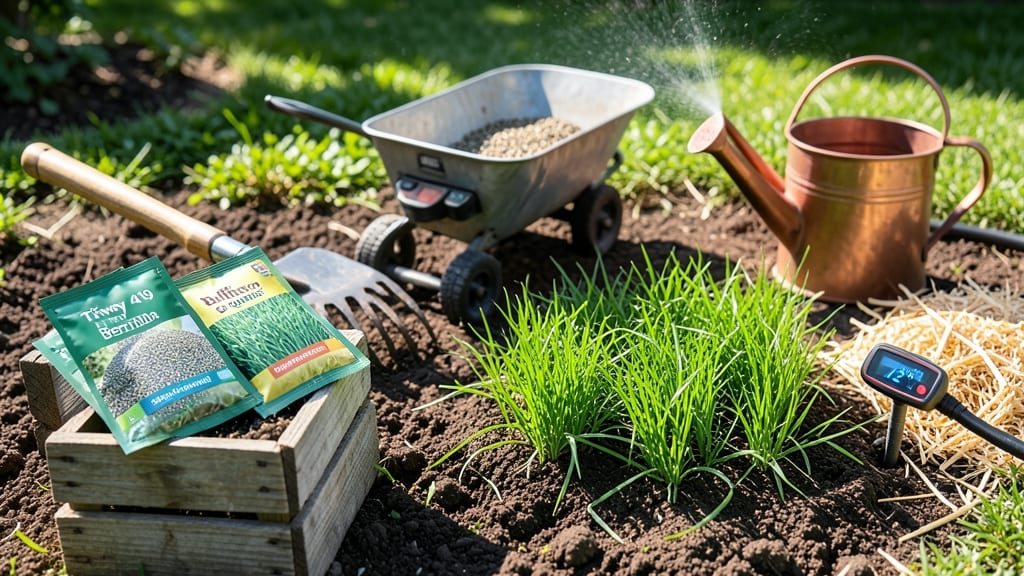
Planting grass seed in Texas at the right time ensures fast germination and a lush lawn before summer’s brutal heat takes over.
If you’ve ever watched your freshly seeded lawn bake under the midday sun or drown in a sudden Texas downpour, you know timing is everything. The difference between a thriving green carpet and a patchy disappointment often comes down to when you drop those seeds in the ground.
Texas’ climate zones—from North to South—demand different strategies. Cool-season grasses like Tall Fescue thrive in the mild winters of North Texas, while warm-season varieties like Bermuda or St. Augustine need the heat of late spring or early fall to take root.
Below, I’ll break down the best months to plant by region, soil prep secrets, and how to outsmart Texas’ weather for fast, reliable germination—no guesswork involved.
Best months to plant grass seed in Texas by climate region
Texas’ diverse climate—from North Texas’ cooler winters to West Texas’ arid heat—means your grass seed planting window depends entirely on where you live. Planting at the wrong time can leave you with bare patches or slow germination due to extreme heat or drought.
The key is aligning your planting with soil temperatures (ideal: 50–70°F) and rainfall patterns to give seeds the best chance to establish before summer’s brutal heat.
In most of Texas, the optimal planting windows are early spring (February–March) and late summer/early fall (August–October). However, regional differences—like Central Texas’ scorching summers or South Texas’ humidity—shift these timelines.
Below, we break down the best months for each climate zone, so you can avoid the 100°F+ soil that kills seeds and maximize your lawn’s success.
Pro Tip: Always test your soil temperature with a soil thermometer before planting. Seeds won’t germinate if the ground is too hot or too cold, no matter the calendar month. Aim for 60–70°F for cool-season grasses and 75–85°F for warm-season types.
In North Texas, where winters can drop below freezing, cool-season grasses like Tall Fescue thrive when planted in February–March or September–October. The soil temperature must stay above 50°F for germination, so avoid planting in April when heat spikes.
For fall planting, aim to finish by early October to let roots establish before winter.
If you’re in Central Texas, summer’s 100°F+ soil makes spring planting nearly impossible. Instead, focus on August–September when temperatures dip enough for warm-season grasses like Bermuda or Zoysia to germinate.
Water deeply twice daily for the first 2 weeks to combat heat stress. Pro tip: Use shade cloth if planting in late summer to protect tender seedlings.
South Texas gardeners have a slightly longer window due to milder winters, but humidity and fungal risks complicate things. Plant St. Augustine or Centipede grass in September–October or even January (if using cool-season blends). Avoid summer planting—the combination of heat and moisture invites disease. Always water in the early morning to let foliage dry before nightfall.
For West Texas, where water is scarce and temperatures swing wildly
How soil temperature and rainfall affect grass seed germination in Texas
Texas gardeners know that timing is everything when planting grass seed. The state’s extreme heat and unpredictable rainfall create unique challenges for germination. Unlike cooler climates, Texas soil can swing from scorching 90°F+ to freezing overnight in some regions.
Understanding these soil temperature and moisture dynamics is key to avoiding wasted seed and effort.
Grass seeds germinate best when soil temperatures hover between 50°F and 70°F. In Texas, this narrow window forces most gardeners to focus on early fall (September-October) or late winter (February-March) planting. Summer’s 100°F+ soils can bake seeds before they sprout, while winter’s chilly mornings slow growth to a crawl.
Even rainfall plays a critical role—too much can drown seeds, while too little leaves them parched.
Texas Grass Seed Germination Rules
Pro Tip: Test soil temp with a thermometer before planting—dig 2" deep for accurate readings.
In North Texas, where winters dip below freezing, aim for late August to early October planting. The soil stays warm enough for germination but cools slightly as fall arrives, reducing stress on young seedlings.
Meanwhile, South Texas gardeners should plant in September to avoid hurricane rains in late summer or February to beat the spring heatwave.
Rainfall patterns also demand attention. Texas seeds need consistent moisture—about 1 inch per week—but overwatering can suffocate them. In West Texas, where rainfall is scarce, use a drip irrigation system to deliver water directly to seeds.
In East Texas, where humidity is high, plant during dry spells to prevent fungal diseases like damping-off.
One common mistake is planting too early in spring. By April, Texas soils often exceed 80°F, causing seeds to dormant or rot. Instead, wait until late February or early March when mornings are cool and afternoons warm up.
For fall plantings, September is ideal—soil stays warm enough for germination but cools as October arrives, encouraging root development.
To maximize success, I always test soil moisture before planting. Stick your finger 1–2 inches deep—if it feels dry, water lightly. If it’s soggy, wait a day or two. Pair this with a light mulch (like straw) to retain moisture without smothering seeds.
With these adjustments, Texas gardeners can double their germination rates and enjoy a lush lawn year-round. 🌱