
Plants
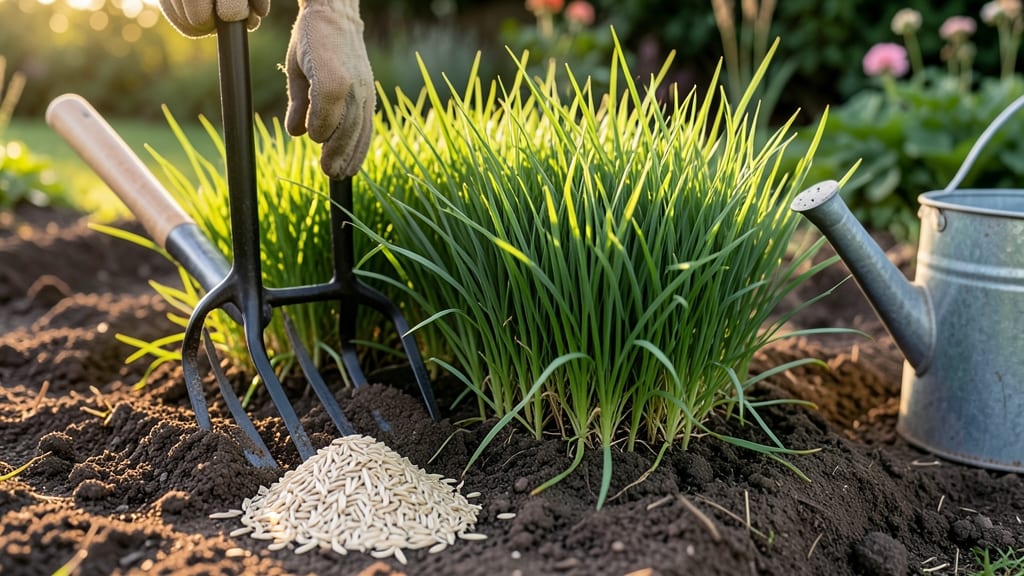
Planting rye grass seed in Texas at the right time means the difference between a thick, green lawn by Thanksgiving and a patchy mess that freezes out before winter.
Texas gardeners know timing is everything—plant too early, and it’ll bolt; too late, and frost will kill it before it establishes. Get the window right, and you’ll have lush winter cover for your lawn by Thanksgiving.
For most of Texas, the best window is late summer to early fall—August through October—when soil temperatures hover between 50°F and 65°F.
This gives the grass 4-6 weeks to root before the first frost hits, whether that’s in December for North Texas or January for the Gulf Coast.
Below, I break down the exact months by region, how to prep your soil for fast germination, and the one mistake that kills more rye grass in Texas than anything else.
Best months to plant rye grass seed in Texas for fast germination
Timing your rye grass seed planting in Texas is critical—get it wrong, and you’ll either watch your seed bolt in the heat or freeze before establishing. The ideal window balances soil temperatures (50-65°F) with frost-free growth before winter.
In most of Texas, that means aiming for late August through early October, but your exact deadline depends on your USDA zone.
Rye grass thrives in cooler weather, making fall planting the gold standard. However, Texas’ diverse climate—from Zone 8a’s chilly winters to Zone 10b’s mild temperatures—means your frost dates vary wildly.
Plant too late, and frost will kill tender seedlings before roots take hold. Too early, and summer heat stresses the seed.
Key rule: Plant 4-6 weeks before your area’s first frost date. For North Texas (Zones 7b-8a), that’s mid-September to early October. Central Texas (Zones 8a-8b) can stretch until late October, while South Texas (Zones 9a-10b) might even squeeze in November plantings in milder microclimates.
For fast germination, aim to plant when soil temperatures drop below 80°F but stay above 50°F. Use a soil thermometer to monitor—ideal temps are 55-65°F.
In North Texas, this often means waiting until September, while South Texas gardeners can start as early as late July in cooler microclimates.
Pro tip: Check your local frost dates (extension offices have this data) and count backward 6 weeks. If you’re in Zone 8a, your last planting date is typically October 15th. Miss this window, and you risk weak establishment before winter dormancy sets in.
Ever wonder why some rye grass thrives while others fail? The answer lies in root establishment. Seedlings need 4-6 weeks of consistent moisture and cool temps to develop deep roots. Planting too close to frost means roots won’t mature enough to survive winter’s chill.
What if you miss the fall window? Spring planting (March-April) is your second chance, but germination rates drop in Texas’ hotter months. If you go this route, shade cloth and daily watering become essential to protect tender seedlings from bolt stress.
Remember: Rye grass is a cool-season annual, meaning it dies back in summer heat. Your goal is to establish it before frost so it can overwinter and green up in spring.
With the right timing, you’ll have a lush winter lawn by Thanksgiving—just in time for holiday gatherings! 🌾
How to prepare your Texas lawn for rye grass seed planting
Preparing your Texas lawn for rye grass seed is all about creating the perfect conditions for fast germination and strong root growth. Texas summers leave soil compacted and dry, so proper prep is key to avoiding bare spots and ensuring your new grass thrives.
Start by timing your prep work with the ideal planting window—typically late August through mid-October—to give seeds time to establish before winter.
First, you’ll need to test your soil pH—rye grass prefers a range of 6.0 to 7.0. Texas clay soils often skew alkaline, so a simple soil test kit (available at garden centers) will tell you if you need to amend with sulfur or lime.
Adjusting pH now prevents poor germination later. If your soil is too alkaline, add sulfur 4-6 weeks before planting to give it time to work.
Next, focus on soil aeration to break up compacted layers. Rent a core aerator or use a manual aerator fork to create 1/2-inch holes every 2-3 inches across your lawn.
This step is critical in Texas, where heavy foot traffic and summer drought compress the soil. Aerate when the ground is slightly moist—not soggy—to avoid clumping.
Step-by-Step Prep for Rye Grass Planting
- 1 Mow Low: Cut existing grass to 1.5 inches to improve seed-to-soil contact. Use a sharp mower blade to avoid tearing grass.
- 2 Aerate Soil: Rent a core aerator to create 1/2-inch holes every 2-3 inches. Do this when soil is slightly damp for best results.
- 3 Apply Starter Fertilizer: Use a high-phosphorus fertilizer (10-20-10 ratio) at 1/2 pound per 100 sqft. Phosphorus boosts root development.
- 4 Spread Seed Evenly: Use a broadcast spreader set to 1/4 pound per 100 sqft. Walk in two perpendicular directions for even coverage.
- 5 Lightly Rake & Mulch: Use a stiff-bristle rake to drag seeds into soil 1/4 inch deep. Top with a thin layer of straw mulch to retain moisture.
After aerating, apply a starter fertilizer with a 10-20-10 NPK ratio to give your rye grass a phosphorus boost for root growth. In Texas, where soils are often nutrient-poor, this step is non-negotiable.
Follow the package instructions for application rates—typically 1/2 pound per 100 square feet. Water lightly after fertilizing to help nutrients penetrate the soil.
Once your soil is prepped and fertilized, it’s time to overseed with rye grass. Use a broadcast spreader set to 1/4 pound of seed per 100 square feet. For large areas, walk in two perpendicular directions to ensure even coverage.
If you’re overseeding an existing lawn, mow the grass to 1.5 inches first to improve seed contact with the soil.
Finally, lightly rake the area to drag seeds into the soil 1/4 inch deep—no deeper, or they won’t germinate. Top with a thin layer of straw mulch to retain moisture and protect seeds from birds.
Water gently but thoroughly to settle the seeds, then maintain consistent moisture for the next 2-3 weeks—this is critical for germination in Texas’s variable fall weather.
With these steps, your Texas lawn will be perfectly primed for rye grass seed to establish before winter sets in. The key is patience and consistency—keep an eye on moisture levels and avoid walking on the newly seeded areas until the grass is 2-3 inches tall.
Soon, you’ll have a lush, green winter lawn ready for spring! 🌾