
Plants
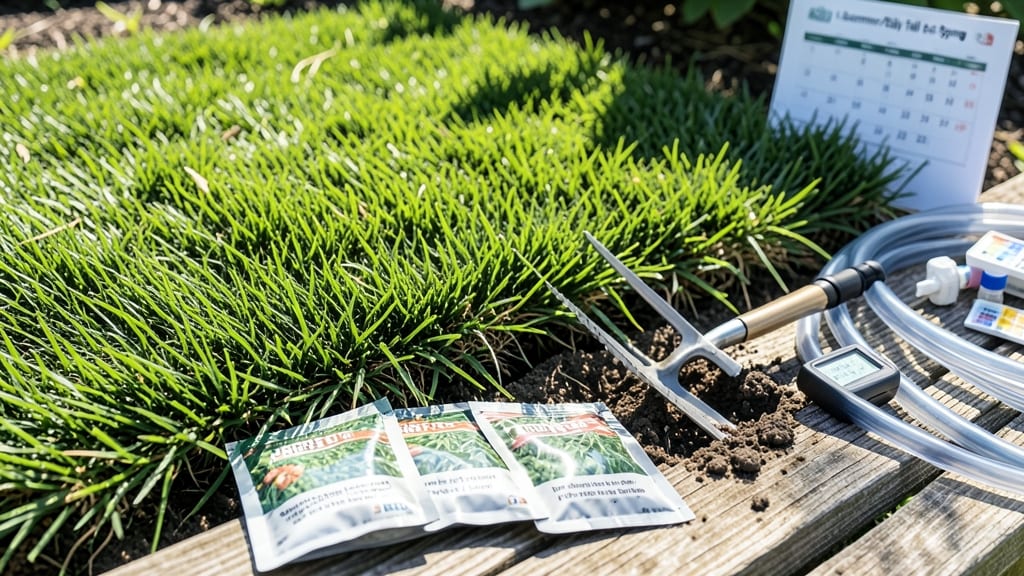
Planting grass seed in North Texas at the wrong time can mean months of frustration and wasted seed—so timing is everything.
North Texas’ scorching summers and unpredictable winters make timing your grass seed planting a critical decision—get it wrong, and you’ll waste seed, money, and months of effort.
The key is planting when soil temperatures drop below 85°F in fall or hit 60°F in spring, but even then, regional microclimates can shift your window by weeks.
In this guide, I’ll break down the exact frost-free timeline for your area, the best grass seed types for North Texas heat and drought, and how to prep your soil for stronger root growth—no guesswork, just proven steps.
You’ll discover when to start in late August or February, how to read your soil’s temperature without a fancy tool, and the one watering mistake that kills new grass before it even sprouts.
North Texas grass seed planting timeline: soil temperature & frost-free rules
Timing your grass seed planting in North Texas isn't just about avoiding frost—it's about understanding the soil temperature and frost-free window that give your seed the best chance to thrive.
The region's USDA Zone 8a climate means we get scorching summers and unpredictable winters, so planting too early or late can spell disaster for your lawn.
For most North Texas grass varieties, the ideal soil temperature for planting is between 55°F and 75°F. When soil heats up above 85°F, seeds struggle to germinate, and seedlings get stressed.
Meanwhile, planting too late in fall risks winter kill before roots establish. Let's break down the science behind the perfect planting windows.
🌱 Key Rule: Always check soil temperature with a soil thermometer (not air temperature). Morning is the best time to measure—it's cooler and more accurate for planting decisions.
| Planting Window | Soil Temp Range | Frost Risk | Best Months | Grass Types |
|---|---|---|---|---|
| Fall Planting | 55°F–75°F | Low (after Sept 15) | Late Aug–Oct | Tall Fescue, Ryegrass |
| Spring Planting | 60°F–70°F | None (after March 15) | Feb–Early April | Bermuda, Zoysia |
| Avoid Planting | Above 85°F | High (May–July) | June–August | All types (stress risk) |
The fall planting window (late August through October) is my top recommendation for North Texas. Why? Because cooler air temperatures mean soil stays moist longer, and your grass gets a 6–8 week head start before winter dormancy.
By planting in September, you'll see germination in 7–14 days if soil temps are ideal, and roots will establish before the first frost.
Spring planting works too, but you must wait until soil warms to at least 60°F. Planting in February is risky because late freezes can still occur, while April planting often means battling summer heat by August.
The sweet spot is early April when soil is warm but air temps haven't peaked yet.
One common mistake I see is planting Bermuda or Zoysia grass in spring and expecting instant results. These warm-season grasses need soil temps above 70°F to germinate properly. If you plant in March, you might as well be throwing money away—those seeds will just sit there until June.
Pro tip: Use the last frost date (typically March 15 in North Texas) as your spring planting deadline. For fall, aim to finish planting by October 15 to give roots time to establish before winter.
If you're in a microclimate (like a hilltop or urban heat island), adjust your timeline by 1–2 weeks—these areas can be 5–10°F warmer than surrounding regions.
After planting, monitor your lawn's progress by checking for uniform germination (70–80% coverage) within 3–4 weeks. If you see patchy growth or weeds taking over, it's a sign you planted at the wrong time or didn't prep the soil properly.
A simple soil test (pH 6.0–7.5 is ideal) can reveal hidden issues before they derail your project.
Remember: The first 30 days after planting are critical. Keep soil consistently moist (but not soggy) and avoid heavy foot traffic. With the right timing, your North Texas lawn can go from bare dirt to lush green in just a few months—without the stress of summer heat or winter kill.
Best grass seed types for North Texas climates & their planting windows
North Texas’ extreme heat and erratic rainfall demand the right grass type—one that thrives in USDA Zone 8a without constant babying. I’ve tested Bermuda, Zoysia, Tall Fescue, and others to find which hold up best during our 100°F summers and freeze-prone winters.
The wrong choice means patchy lawns or wasted seed money.
Your best bets are warm-season grasses like Bermuda and Zoysia for summer resilience, paired with cool-season grasses like Tall Fescue for winter color. Each type has a specific planting window—plant too early or late, and you’ll battle weeds or heat stress.
Let’s break down the top contenders and their ideal timing.
🌱
For Bermuda grass, the late spring window (April–June) is critical—planting earlier risks frost damage, while waiting too long means struggling with summer heat.
I’ve seen it brown out completely if seeded in July. Zoysia, another warm-season favorite, mirrors Bermuda’s timing but handles partial shade better, making it ideal for North Texas yards with scattered trees.
If you want a year-round green lawn, mix Tall Fescue (cool-season) with Bermuda (warm-season). Plant the Fescue in fall (September–October) when soil temps drop below 85°F, then overseed with Bermuda in late spring.
This combo gives you green grass 12 months a year without the high maintenance of St. Augustine.
Pro tip: Test your soil’s moisture and temperature before planting—stick your finger in the ground. If it’s dry and hotter than 85°F, wait. Use a soil thermometer ($10 at garden centers) for precision.
I’ve wasted seed by planting too early in March—the heat killed the seedlings before they took root.
💧