
Plants
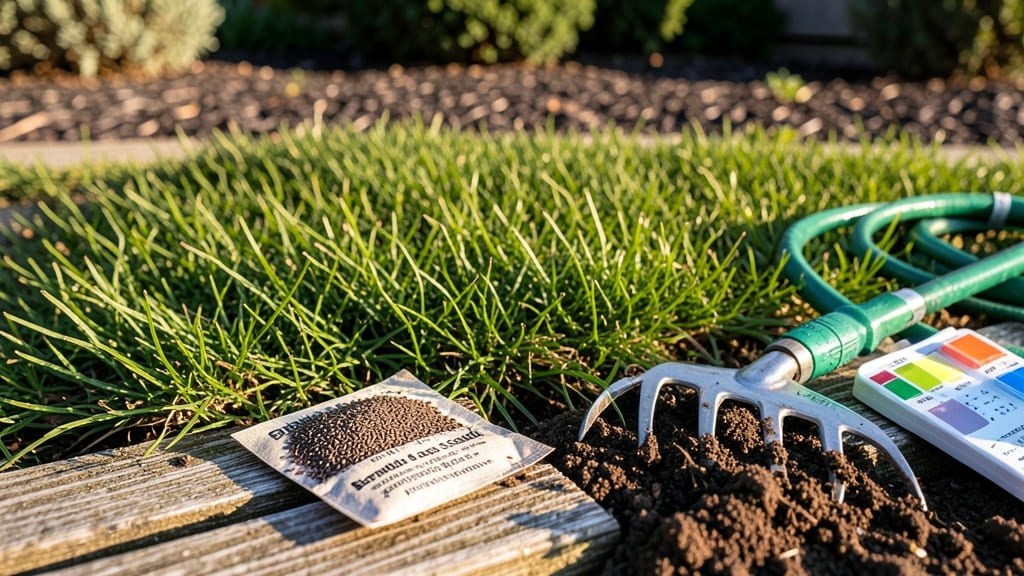
Planting Bermuda grass seed in South Carolina at the right time means the difference between a thick, heat-resistant lawn and a patchy mess that struggles to survive summer’s brutal heat.
If you’ve ever watched your yard turn into a dust bowl by July, you know how frustrating it is to wait for a lawn that actually thrives. The key isn’t just picking the right seed—it’s planting when the soil is warm enough and the weather cooperates.
In South Carolina’s 7b-9a zones, Bermuda grass needs soil temperatures above 65°F to germinate properly, which usually means waiting until late April or May. But timing isn’t just about the calendar—it’s also about avoiding early summer heat stress or late spring rains that can wash away fresh seed.
Below, I’ll break down the exact planting windows for your region, how to prep your soil for success, and what to watch for once those first green shoots appear. No more guesswork—just a lush, drought-resistant lawn that stays green all season.
Optimal Bermuda grass planting windows in South Carolina’s climate zones
South Carolina’s diverse climate zones—from the humid coastal plains to the cooler Upstate—create unique challenges for growing Bermuda grass. Planting too early risks seed rot from lingering spring rains, while waiting too long can leave your lawn vulnerable to summer weeds.
The key is timing when soil temperatures consistently hit 75°F or higher, ensuring rapid germination and strong root establishment.
Bermuda grass thrives in USDA zones 7b-9a, but regional microclimates demand precise timing. Coastal areas (like Charleston) can plant earlier due to warmer soils, while the Upstate (Greenville/Spartanburg) may need to wait until late May. Understanding these differences is critical for a thick, drought-resistant lawn that dominates summer heat.
To check soil readiness, use a soil thermometer ($10 at garden centers) or the 'hand test': Press your hand into the soil—if it feels warm like bathwater (75°F+), it’s time to plant. This simple method eliminates guesswork and prevents common mistakes like planting in cooler-than-expected soil that stalls germination.
| Region | Ideal Planting Window | Soil Temp Threshold | Key Considerations |
|---|---|---|---|
| Coastal (Zone 8a-9a) | Late April–Early May | 75°F+ (soil) | Warmer soils; watch for hurricane season delays |
| Piedmont (Zone 7b-8a) | Mid-May–Early June | 75°F+ (soil) | Cooler nights; prioritize evening watering |
| Upstate (Zone 7b) | Late May–June | 75°F+ (soil) | Slowest warming; use shade cloth if planting early |
In the coastal plains (e.g., Hilton Head, Myrtle Beach), Bermuda grass seed can germinate as early as late April when soil temperatures stabilize above 75°F. However, be prepared to adjust if unseasonable rains persist—excess moisture can cause seed rot.
Use a rain gauge to monitor conditions and delay planting if the forecast predicts heavy downpours.
For the Piedmont region (Columbia, Rock Hill), aim for mid-May when daytime highs consistently reach the mid-80s°F. This timing balances the need for warm soil with the risk of late spring frosts, which can damage young seedlings.
Check the National Weather Service for your local frost-free date and plant 2 weeks after the last expected frost.
The Upstate (Greenville, Spartanburg) often requires the latest planting window—late May to early June—due to slower soil warming. If you’re eager to establish your lawn, consider using sprigging (planting established sod or plugs) instead of seed, as it germinates faster in cooler conditions.
For seed, wait until soil temperatures are consistently above 80°F to ensure strong root development.
One common mistake is assuming air temperature reflects soil temperature. A 75°F day might still have 60°F soil—use a soil thermometer for accuracy. Pro tip: Bury it 2 inches deep (the depth of seed planting) and check readings at 10 AM for the most reliable data.
This small step can mean the difference between sparse germination and a lush, even lawn.
If you miss the ideal window, don’t panic—Bermuda grass can still be planted in early June, though growth may slow during summer heatwaves. For a head start, prepare your soil in March or April by aerating and adding compost.
This ensures your lawn is ready to seize growth as soon as conditions align, giving you a competitive edge against weeds.
Remember, Bermuda grass is a warm-season grass that goes dormant in winter. Planting at the right time ensures it establishes deep roots before summer’s brutal heat, making it drought-resistant and low-maintenance once mature.
With the right timing and soil prep, you’ll have a lawn that’s the envy of your neighborhood—thick, green, and thriving even when others struggle.
Critical pre-planting steps to ensure Bermuda grass success
Getting your Bermuda grass off to a strong start in South Carolina means more than just dropping seeds in the ground. The soil prep and seed selection phases are where most lawns succeed or fail.
I’ve learned that skipping these steps often leads to patchy growth or weeds taking over—so let’s fix that.
First, you’ll want to test your soil pH because Bermuda grass thrives in slightly acidic to neutral conditions (pH 6.0-7.0). If your soil is too alkaline, a simple application of sulfur or peat moss can adjust it in just a few weeks.
Trust me, this small step makes a huge difference in germination rates.
- 1. Soil Test & Adjust pH: Aim for 6.0-7.0. Use sulfur for alkaline soil or lime if too acidic.
- 2. Aerate Compacted Soil: Rent a core aerator to create ½-inch holes 3-4 inches apart for better seed-to-soil contact.
- 3. Clear Debris & Loosen Topsoil: Remove rocks, weeds, and thatch. Rake to expose fresh soil for optimal seed contact.
- 4. Choose Your Seed Type: Common Bermuda (budget-friendly) vs. Hybrid varieties (like Tifway or Celebration) for faster spread and drought resistance.
- 5. Pre-Water the Soil: Moisten 2-3 inches deep 24 hours before planting to kickstart germination.
Next, aeration is non-negotiable in South Carolina’s clay-heavy soils. Compacted soil smothers seeds and roots, so rent a core aerator to create ½-inch holes spaced 3-4 inches apart.
I’ve seen lawns go from struggling to thriving just by adding these air pockets—it’s like giving your grass a breath of fresh air.
For seed selection, don’t just grab the cheapest bag at the store. Hybrid varieties like Tifway or Celebration cost more upfront but deliver faster germination and better heat tolerance.
If you’re on a budget, common Bermuda grass still works but may need more frequent mowing and watering to compete with weeds.
After planting, watering schedules are where many gardeners trip up. Bermuda grass seeds need consistent moisture—about ¼ inch per week—but avoid soaking the soil.
Use a rain gauge or tuna can to measure, and water in the early morning to prevent fungal diseases. Overwatering is just as deadly as underwatering!
Finally, resist the urge to mow too soon. Wait until your grass reaches 3-4 inches tall before the first cut, and never remove more than ⅓ of the blade height at once. This builds root strength and ensures your lawn can handle South Carolina’s summer heat without wilting.