
Plants
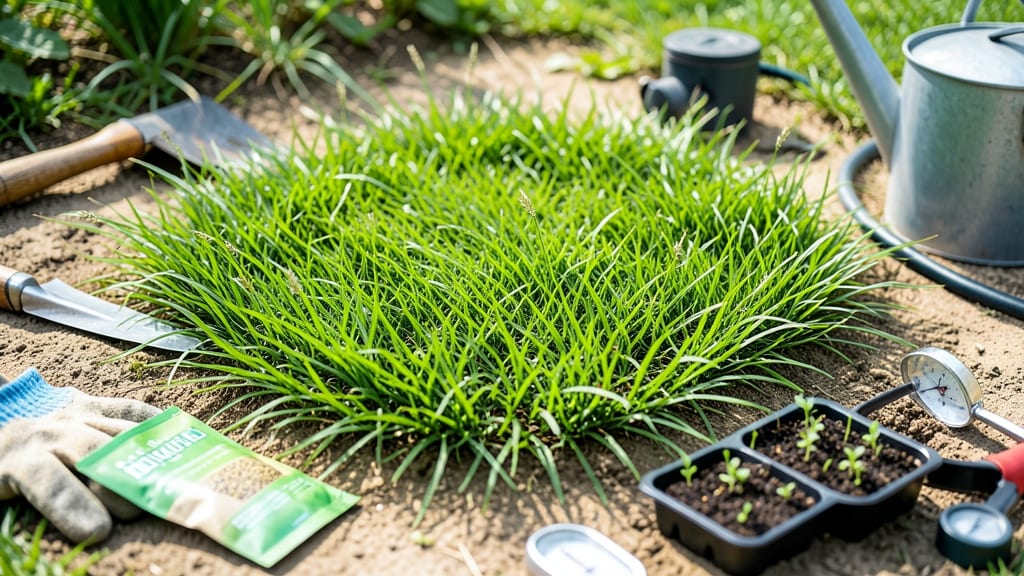
Planting Bermuda grass seed in Oklahoma works best when soil temperatures hit 65°F or warmer—typically late April through mid-May for most of the state.
Oklahoma’s scorching summers can make or break your Bermuda grass lawn—planting at the wrong time means struggling with heat stress or poor germination. If you’ve ever watched your grass wilt under the afternoon sun only weeks after planting, you know how critical timing is.
This drought-tolerant grass thrives in USDA Zones 6b-8a, but even here, early planting risks frost damage while late planting delays full coverage. The key is waiting for that consistent warmth that signals the perfect window for seedling success.
Below, I’ll walk you through the exact soil temperature cues, regional adjustments for northern vs. southern Oklahoma, and the 3-step prep that ensures your grass takes root before the heat peaks.
Optimal Bermuda grass planting windows in Oklahoma (late spring heat tolerance guide)
Bermuda grass thrives in Oklahoma’s heat, but planting it at the wrong time can lead to poor germination or heat stress. The ideal window for planting Bermuda grass seed in Oklahoma is late April to mid-May, when soil temperatures consistently reach 65°F (18°C) or higher.
This timing ensures your grass establishes strong roots before summer’s peak heat arrives.
Oklahoma’s climate varies dramatically between northern and southern regions, so adjust your planting schedule accordingly. Northern Oklahoma (USDA Zones 6b-7a) may need to wait until mid-May, while southern Oklahoma (Zones 7b-8a) can start as early as late April.
Always check your local last frost date to avoid frost damage.
| Region | Ideal Planting Window | Soil Temp Threshold | Key Consideration |
|---|---|---|---|
| Northern OK (Zones 6b-7a) | Mid-May | 65°F+ (18°C+) | Wait for last frost risk to pass |
| Central OK (Zones 7a-7b) | Late April - Early May | 65°F+ (18°C+) | Monitor soil moisture closely |
| Southern OK (Zones 7b-8a) | Late April | 65°F+ (18°C+) | Higher heat tolerance, but avoid extreme drought |
To check if your soil is ready for planting, use a soil thermometer to measure temperature at a depth of 2-4 inches. If the temperature dips below 65°F (18°C) for more than a few days, wait a few more weeks.
Bermuda grass seed germinates best in warm soil, so patience pays off for a stronger lawn.
If you miss the spring window, don’t worry—Bermuda grass can also be planted in early September for a fall establishment. However, avoid planting in summer’s peak heat (June-August), as seedlings struggle to establish roots when daytime temperatures exceed 90°F (32°C).
Use shade cloth if planting in late summer to protect young seedlings.
Another critical factor is soil moisture. Bermuda grass needs consistent moisture during germination, but avoid waterlogging, which can cause seed rot. Water lightly but frequently (about 1/4 inch per day) until seedlings appear, then gradually reduce to 1 inch per week once established.
Use a rain gauge or tuna can to measure water accurately.
For best results, prepare your soil at least 2-3 weeks before planting. This includes tilling to a depth of 4-6 inches, removing weeds, and adding compost or organic matter to improve drainage.
Bermuda grass prefers slightly acidic to neutral soil (pH 6.0-7.0), so test your soil’s pH before planting and amend if necessary using lime (to raise pH) or sulfur (to lower pH).
Once your Bermuda grass is established, it becomes one of the most drought-tolerant grasses in Oklahoma. However, the first 30-45 days after planting are critical for root development. During this time, protect your lawn from foot traffic and heavy mowing to avoid damaging young seedlings.
Keep your mower blade set to 1.5-2 inches to encourage deep root growth.
If you’re planting in a high-traffic area, consider using Bermuda grass plugs or sod instead of seed. Plugs establish faster and provide immediate ground cover, reducing weed competition.
For seed, choose a high-quality, certified variety like Tifway 419 or Riverstar, which are well-adapted to Oklahoma’s climate and heat tolerance.
Remember, Bermuda grass is a warm-season grass, meaning it goes dormant in winter. Planting in late spring ensures your lawn has enough time to establish before the first fall frost (typically mid-November in Oklahoma).
With the right timing and care, your Bermuda grass lawn will reward you with a dense, green carpet that thrives in Oklahoma’s challenging summers. 🌱☀️
How to prepare Oklahoma soil for Bermuda grass seed in late spring
Late spring in Oklahoma brings ideal conditions for Bermuda grass seed—warm soil temperatures and consistent rainfall. But before planting, your soil must be prepped to ensure strong germination and drought resistance.
Alkaline Oklahoma soils often need pH adjustments and proper fertilization to create the perfect seedbed. Let’s break down the essential steps to prepare your lawn for success.
Bermuda grass thrives in well-draining, slightly acidic soil with a pH between 6.0 and 7.0. Oklahoma’s native soils often test higher, which can stunt root growth.
Start by testing your soil’s pH using a home test kit or send a sample to the Oklahoma State University Soil Testing Lab. If your pH reads above 7.0, you’ll need to lower it with sulfur or peat moss.
Once your soil’s pH is ideal, focus on weed control—competition from weeds can choke out young Bermuda grass seedlings. Use a pre-emergent herbicide like pendimethalin or prodiamine two weeks before planting.
For organic options, hand-pull weeds or apply corn gluten meal as a natural pre-emergent. Clear the area thoroughly to give your grass a clean slate.
Step-by-Step Soil Prep for Bermuda Grass Seed
- Test soil pH: Aim for 6.0–7.0. Adjust with sulfur if too alkaline.
- Remove debris: Rake out rocks, roots, and weeds. Smooth the soil surface.
- Apply nitrogen: Use a slow-release fertilizer (16-4-8 NPK) 1–2 weeks before planting.
- Level the ground: Fill low spots with topsoil and grade for even water drainage.
- Irrigate lightly: Moisten soil to 1–2 inches deep the day before seeding.
After clearing weeds and adjusting pH, it’s time to fertilize for growth. Bermuda grass loves nitrogen, so apply a high-nitrogen fertilizer like 16-4-8 or 30-0-4 about 1–2 weeks before planting.
This gives your seeds a nutrient boost as they germinate. Spread the fertilizer evenly using a broadcast spreader and lightly rake it into the top ¼ inch of soil.
Finally, watering strategy is critical in late spring’s Oklahoma heat. Keep the soil consistently moist but not soggy—aim for 1–1.5 inches of water per week. Use a sprinkler system or hose to water early in the morning to reduce evaporation and fungal risks.
Once seeds sprout, reduce watering slightly to encourage deep root growth.
With your soil prepped, fertilized, and weed-free, your Bermuda grass seeds are ready for planting. Follow up with light mowing once the grass reaches 3–4 inches tall to promote density. Your lawn will be thriving in no time—just in time for Oklahoma’s summer heat! 🌱