
Plants
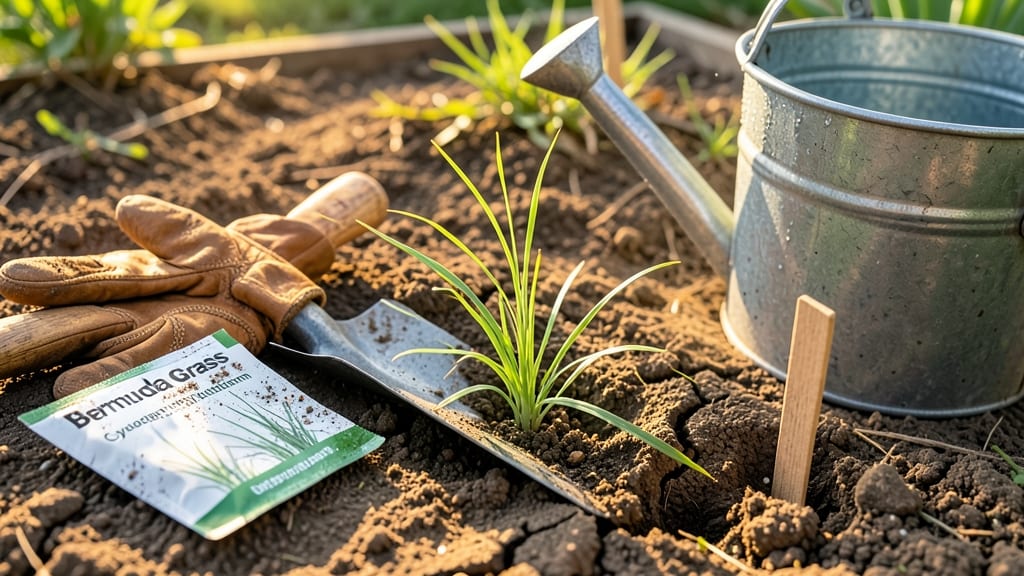
Planting Bermuda seed in Oklahoma between mid-April and mid-May ensures a strong start before summer heat sets in—miss this window, and you risk slow germination or winter kill.
Oklahoma’s unpredictable springs make timing your Bermuda grass seed planting a critical factor in achieving a lush, weed-free lawn—get it wrong, and you’ll waste seed, money, and months of effort.
This grass thrives in full sun and 65°F+ soil, so waiting for the last frost (around March 15) and checking soil temps with a thermometer is non-negotiable.
Below, I break down the exact deadlines by zone, soil prep secrets, and how to keep your lawn thriving once those first green shoots appear.
Oklahoma’s Bermuda seed planting deadlines by hardiness Zone (soil temp & frost-free rules)
Timing your Bermuda grass seed planting in Oklahoma isn’t just about avoiding frost—it’s about matching your schedule to soil temperatures and daylength. Plant too early, and your seed will rot in cold soil; too late, and your lawn won’t establish before summer heat sets in.
The 100-day growth rule is your best friend here: Bermuda needs 90-120 days to mature before Oklahoma’s first frost (November 15 in most zones).
Oklahoma spans USDA zones 7a-8b, with last frost dates ranging from March 15 in northern areas to April 15 in southern regions. But don’t rely solely on frost dates—soil temperature is the real game-changer.
Bermuda seed won’t germinate until the soil hits 65°F (18°C), which typically occurs 2-4 weeks after the last frost in most of the state.
Here’s the critical window: Mid-April to mid-May is ideal for most of Oklahoma, but Zone 8b (southern Oklahoma) can start as early as late March if soil temps cooperate. Northern Zone 7a areas should wait until late April to avoid cold-soil risks.
Use a soil thermometer to confirm readiness—this simple tool can save you from wasted seed and frustration.
| Zone | Last Frost Date | Soil Temp Threshold | Ideal Planting Window | 100-Day Rule Deadline |
|---|---|---|---|---|
| 7a (Northern OK) | March 15 | 65°F (18°C) | Late April - Early May | July 15 |
| 7b (Central OK) | March 25 | 65°F (18°C) | Mid-April - Mid-May | July 20 |
| 8a (Southern OK) | April 5 | 65°F (18°C) | Early April - Late April | July 25 |
| 8b (Southwest OK) | April 15 | 65°F (18°C) | Late March - Early April | August 5 |
*Deadlines based on average last frost and 100-day growth period to avoid winter kill
Pro tip: If you’re in Zone 8b and plant in late March, monitor your lawn closely. Bermuda grows aggressively in heat, and early planting can lead to overcrowding before summer’s peak.
For these areas, consider oversowing in June to take advantage of late-summer moisture and cooler temps—just be ready to water deeply to prevent crusting.
What happens if you miss the window? Don’t panic—Bermuda is perennial and can be oversown in late summer (August-September) for a fall establishment. However, this method requires extra care: use a pre-emergent herbicide in spring to block weeds, and water consistently to help the new seed outcompete existing grass.
Just remember, fall-sown Bermuda won’t fully establish until the following spring, so it’s not ideal for instant lawn results.
One common mistake Oklahoma gardeners make is planting too late in hopes of avoiding summer heat. Bermuda seed needs warmth to germinate, but once established, it thrives in Oklahoma’s heat.
Planting in June or July might seem logical, but the seed won’t germinate until soil temps drop in fall—by then, weeds have already taken over. Stick to the spring window for the best results, and fertilize lightly in early summer to boost root growth before the real heat arrives.
For shade-prone areas (even partial shade), adjust your timeline by 2 weeks later. Bermuda struggles in low light, so delay planting until May in shady spots to give the grass extra time to establish before summer shade intensifies.
Pair this with a slow-release fertilizer to support weaker growth. If your lawn has more than 50% shade, consider a shade-tolerant variety like Celebration Bermuda, which handles partial shade slightly better than standard types.
How to prepare Oklahoma soil for Bermuda seed (avoid these 3 costly mistakes)
Preparing your Oklahoma soil for Bermuda seed is the foundation of a thick, healthy lawn—but many gardeners skip critical steps that lead to poor germination or weed invasion. I’ve learned the hard way that skipping soil testing or rushing herbicide timing can turn your seed into a failed investment.
Bermuda grass thrives in well-draining, slightly acidic soil with a pH between 5.8 and 7.0. Oklahoma’s clay-heavy soils often need amendments like compost or sand to improve aeration, while pre-emergent herbicides must be applied 2-4 weeks before seeding to prevent weed competition.
Here are the three biggest mistakes I see Oklahoma gardeners make—and how to avoid them:
⚠️ Don’t Plant Before Soil Hits 65°F!
Bermuda seed won’t germinate below 65°F soil. Use a soil thermometer to confirm—planting too early in Oklahoma’s cool springs (like March) leads to slow sprouting and fungal rot. Wait until mid-April to mid-May when temps are consistent.
Start by testing your soil’s pH with a home test kit or send a sample to your local extension office.
If your soil is too alkaline (common in Oklahoma), mix in sulfur or peat moss to lower the pH. For compacted clay, till in 2-3 inches of compost or coarse sand to improve drainage.
Clear existing weeds with a non-residual herbicide like glyphosate 2-4 weeks before planting. This gives Bermuda seed a weed-free head start, but avoid pre-emergent herbicides after seeding—they’ll kill your new grass too.
After planting, set up a gentle irrigation schedule: water lightly twice daily (morning and evening) for the first 2 weeks to prevent soil crusting. Once seedlings appear, switch to deep watering 2-3 times weekly to encourage strong root growth.
Pro tip: Use a starter fertilizer with high phosphorus (P) (like 10-20-10) at planting time to boost root development. Avoid heavy nitrogen early—it promotes leafy growth over roots, making your lawn vulnerable to heat stress.