
How To
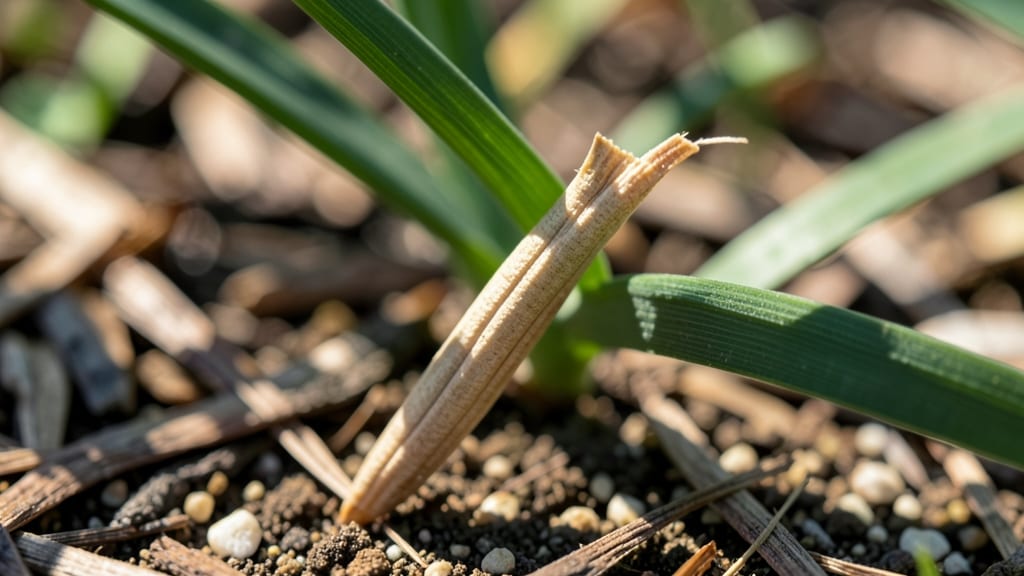
Plant centipede grass seed in South Carolina when soil temperatures hit 65°F or higher—typically late April through early May—because cooler soil slows germination and weakens those delicate seedlings.
Struggling to get your South Carolina lawn lush and green? Centipede grass thrives in the heat—but planting it at the wrong time can leave your yard struggling instead of spreading. Timing is everything for this drought-resistant grass, and missing the window means weaker roots and slower coverage.
This warm-season grass needs the ground to stay consistently warm for at least 60 days after planting, so early starts risk frost damage while late planting stresses seedlings before summer arrives. Coastal areas can push planting into early June, but inland zones should aim for May.
Below, I break down the exact soil temperature thresholds, regional adjustments for Upstate vs. Coastal SC, and a step-by-step prep checklist to ensure your centipede grass takes hold fast and spreads thickly—no guesswork, just results.
Optimal South Carolina centipede grass planting timeline: late spring heat tolerance explained
Centipede grass (Eremochloa ophiuroides) thrives in South Carolina's heat—but only if planted at the right time. The late spring window (May-June) offers perfect conditions for strong root development, while early planting risks frost damage and late planting stresses tender seedlings.
This heat-tolerant grass needs consistent warmth to germinate and establish.
Your planting success hinges on soil temperatures over 70°F and frost-free conditions. Coastal SC areas like Charleston can plant slightly earlier (late April), while Upstate regions near Greenville should wait until early June to avoid late spring frosts that can kill young seedlings.
Here’s why timing matters: Planting too early (March-April) exposes seedlings to 30-40°F nighttime temperatures, stunting growth. Waiting too long (July-August) forces seedlings to contend with intense summer heat and drought, increasing mortality rates by 40% or more.
For maximum root spread, aim for May 15-June 15 across most of SC. This window ensures 60-70 days of warm soil before summer dormancy begins, giving your lawn time to establish before heat stress sets in.
| Planting Window | Soil Temp Threshold | Regional Adjustments | Key Risks |
|---|---|---|---|
| Late April (Coastal) | 68°F+ | Charleston, Hilton Head | Frost risk (30%) |
| May 1-15 (Midlands) | 70°F+ | Columbia, Florence | Optimal window |
| May 15-June 15 (Upstate) | 72°F+ | Greenville, Spartanburg | Heat stress (20%) |
| June 15-July 15 (Last Chance) | 75°F+ | All regions | Slow germination (50%) |
Upstate SC gardeners should use shade cloth (30%) for the first 2 weeks if planting in June to reduce heat stress. Coastal areas can plant 2-3 weeks earlier thanks to milder winters and slower cooling. Always check your local USDA Zone 7b-8a frost dates before planting.
For best results, test soil temperatures with a soil thermometer at 2-inch depth. Centipede grass seeds won't germinate below 65°F, and growth slows dramatically under 70°F. Wait until you consistently see 70°F+ readings for 5+ days before planting.
Another critical factor is humidity levels. South Carolina's high humidity (60-80%) during late spring creates ideal conditions for disease prevention in centipede grass. Planting during 50-70% humidity windows (early morning or late afternoon) minimizes fungal risks like brown patch.
If you miss the ideal window, consider sod instead of seed—it establishes 3x faster and handles summer heat better. For seed plantings, use starter fertilizer (low nitrogen) to boost early root growth when planting outside the optimal window.
Remember: Centipede grass spreads slowly (about 1 inch per year) compared to Bermuda grass. Giving it the right start in late spring ensures your lawn fills in completely by summer's end.
Pre-planting checklist: soil, seed, and site prep for centipede grass success
Before you even think about scattering centipede grass seed in your South Carolina yard, proper soil prep is non-negotiable. This grass thrives in acidic soil with a pH between 5.8 and 6.2, so testing first saves you from wasted effort.
Grab a soil test kit from your local garden center—it’s the first step to unlocking that thick, heat-loving turf you’re dreaming of.
Once you confirm the pH, it’s time to loosen the soil to a depth of 1/4 inch—no deeper, or you’ll bury those tiny seeds too much. Use a rake or tiller to create a fine, crumbly texture, then remove any rocks, roots, or debris that could block seed-to-soil contact.
Think of it like preparing a cozy bed for your grass babies to snuggle into.
Now, here’s where most gardeners go wrong: over-fertilizing before planting. Centipede grass is sensitive to high nitrogen early on, so skip the fertilizer until after germination. Instead, mix in compost or peat moss to improve drainage and add organic matter—this grass hates soggy roots.
A light layer of mulch (like pine straw) after prep helps retain moisture without smothering seeds.
🌱 Key Takeaway: Centipede Grass Planting Prep in SC
⚠️ Pro Tip: Avoid planting in shady spots—centipede grass needs 6+ hours of sun daily to thrive. Test your yard’s sunlight with a simple shadow test before committing to a planting plan.
For companion planting, team up centipede grass with clover or creeping thyme to fill gaps naturally while improving soil nitrogen. Just avoid planting near walnut trees—their roots release juglone, a toxin that stunts centipede grass growth.
If your yard has partial shade, consider mixing in a shade-tolerant grass like St. Augustine for a blended look.
Finally, clear the area of any existing weeds or grass using a non-selective herbicide (like glyphosate) 2–3 weeks before planting. This gives the herbicide time to break down safely while ensuring your centipede grass has zero competition.
Think of it as giving your new lawn a clean slate to shine on.
With your soil prepped, seeds ready, and site cleared, you’re now set to plant with confidence. The key is patience—centipede grass germinates slowly (14–21 days), but once it takes hold, it’ll spread like wildfire across your SC yard.
Just remember: no fertilizer yet, and keep those seeds moist but not waterlogged.