
Plants
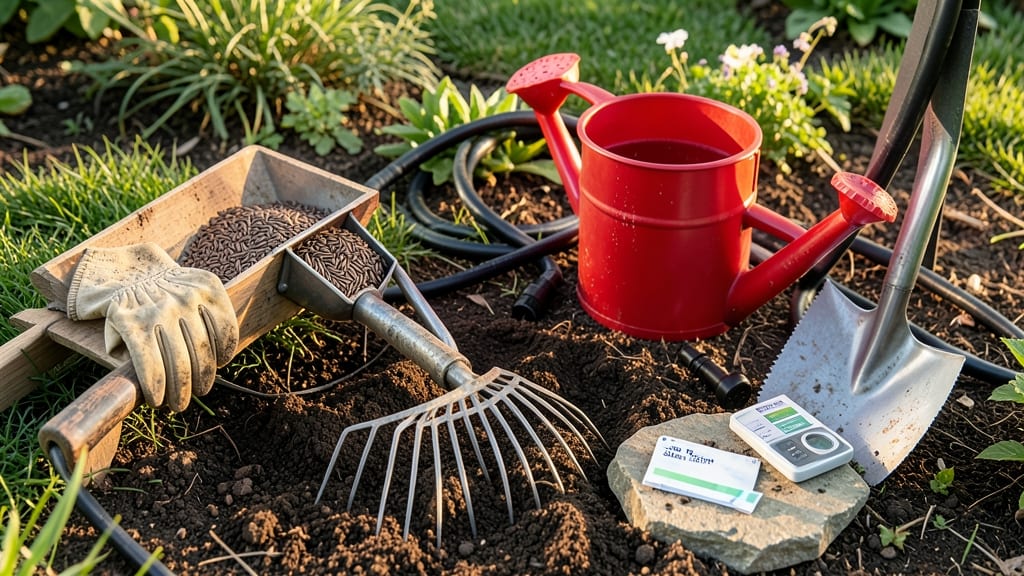
The best time to plant grass seed in South Carolina is during early spring (March-April) or late summer/early fall (August-September) 🌱 — when soil temperatures and moisture align for strong root growth.
Struggling to get a lush, green lawn in South Carolina? Timing your grass seed planting could mean the difference between patchy growth and a vibrant yard—here’s when to plant for maximum success.
South Carolina’s 7b-8a climate means summer heat and humidity can stress young grass, while mild winters allow fall planting to thrive. Coastal areas may need an extra week earlier than inland zones, so local conditions matter.
Below, I’ll break down the ideal months for your region, soil prep tips, and watering schedules to ensure your grass takes root fast and strong—no guesswork involved.
South Carolina’s ideal grass seed planting windows: fall vs spring
Choosing the right time to plant grass seed in South Carolina can transform your yard from patchy to picture-perfect. The humid subtropical climate here means timing matters—too early, and seeds rot; too late, and growth stalls.
Most gardeners swear by fall planting, but spring has its perks too. Let’s break down the ideal windows for each season, tailored to SC’s coastal, piedmont, and upstate regions.
Fall planting (late August through early October) is my top recommendation for SC lawns. The soil stays warm while air temperatures drop, creating perfect conditions for root establishment.
Cool-season grasses like tall fescue and ryegrass thrive in these conditions, while warm-season grasses like Bermuda and Zoysia can still benefit from late-summer overseeding. The lower humidity in fall also reduces fungal risks compared to spring.
Spring planting (early March through April) works best for warm-season grasses, which need soil temps above 65°F to germinate. However, spring in SC brings unpredictable rain and occasional late frosts, which can delay growth.
If you choose spring, aim for after the last frost date (usually mid-March) and monitor soil moisture closely to prevent runoff during heavy downpours.
| Factor | Fall Planting (Aug-Sep) | Spring Planting (Mar-Apr) |
|---|---|---|
| Soil Temperature | 65-75°F (ideal for germination) | 55-65°F (risk of frost delay) |
| Germination Time | 7-14 days (cooler but consistent) | 5-10 days (faster but weather-dependent) |
| Root Establishment | 6-8 weeks (strong before winter) | 8-10 weeks (summer stress risk) |
| Best For | Cool-season grasses (tall fescue, ryegrass) | Warm-season grasses (Bermuda, Zoysia) |
| Watering Needs | Moderate (humidity helps) | High (spring showers + irrigation) |
| Fungal Risk | Low (drier air) | Moderate (spring moisture) |
The coastal region (e.g., Charleston, Hilton Head) has a slightly longer growing season, so you can extend fall planting into early October—just watch for hurricane season delays. In the piedmont (Columbia, Greenville), aim for late August to mid-September to avoid early frosts.
Upstate areas (Greer, Spartanburg) should plant by mid-September to ensure roots harden before winter.
For spring planting, Upstate SC can start as early as late February if soil temps are stable, while coastal areas should wait until mid-March to avoid saltwater spray damage from storms. Always test soil moisture—spring in SC can swing from drought to downpours in a week.
I recommend using a moisture meter or the "squeeze test" (grab a handful of soil; if it crumbles, it’s dry enough).
One critical difference between seasons is weed competition. Fall-planted grass often outcompetes weeds because it establishes quickly in warm soil. Spring plantings, however, may face crabgrass and clover invasions if not pre-treated with a pre-emergent herbicide 4-6 weeks before seeding.
I’ve seen lawns fail in spring because gardeners skipped this step!
Pro tip: If you’re torn between seasons, overseed in fall and spot-repair in spring. This two-step approach gives you the best of both worlds—thicker roots in fall and summer recovery in spring.
Just remember: coastal lawns need salt-tolerant grasses like Bahia, while inland areas thrive with tall fescue blends.
Regardless of season, prep your soil 2-3 weeks before planting. Rake out debris, loosen the top 4-6 inches of soil, and add compost for nutrients. A soil test (available through your local Cooperative Extension) will tell you if you need lime or fertilizer adjustments.
I’ve had the best success with mycorrhizal fungi added to the seed mix—it boosts root growth by 30%!
Timing isn’t just about months—it’s about microclimates. Shady spots stay cooler longer, so you might plant 2 weeks later than sunny areas. And if you’re in a low-lying area, avoid planting after heavy rains to prevent anaerobic soil (which suffocates seeds).
Pay attention to your yard’s unique conditions, and don’t hesitate to adjust your schedule by a week or two if weather forecasts warn of heatwaves or storms.
Ready to plant? Grab your seeds, set your calendar, and mark September 1st
How to choose the perfect planting month based on your SC county
South Carolina’s diverse climate means your best planting month depends on whether you live in the coastal, piedmont, or upstate regions. Coastal areas like Charleston and Hilton Head have milder winters, while inland zones like Greenville experience colder snaps—both affect your timing.
Let’s break down the ideal windows for each zone, including soil temperature thresholds and rainfall risks to avoid.
For coastal counties (e.g., Charleston, Beaufort, Myrtle Beach), aim for late February to early April in spring or August to mid-September in fall. These months offer 60–75°F soil temps, perfect for germination.
Upstate areas (e.g., Greenville, Spartanburg) should wait until mid-March to early May or late August to early October to dodge late frosts and summer heat stress.
Piedmont counties (e.g., Columbia, Rock Hill) fall in between, with ideal windows of March to early April or August to early September. Always check soil temps—they should stay above 55°F for 7+ days before planting. Use a soil thermometer to confirm, as cool, wet springs can delay growth.
| Region | Best Planting Months | Soil Temp Threshold | Rainfall Risk |
|---|---|---|---|
| Coastal (Charleston, Myrtle Beach) | Late Feb–Early Apr / Aug–Mid-Sep | 60–75°F | High in Sept (avoid flooding) |
| Piedmont (Columbia, Rock Hill) | March–Early Apr / Aug–Early Sep | 55–65°F | Moderate (spring showers common) |
| Upstate (Greenville, Spartanburg) | Mid-Mar–Early May / Late Aug–Early Oct | 60–70°F | Low (drier summers) |
Rainfall is another critical factor. Coastal areas face heavy September rains, which can wash away seeds or cause fungal issues. Upstate zones are drier in summer, making August planting ideal if you water consistently.
Always test soil moisture—aim for 1 inch of water weekly (deep soak, not light sprinkles) to encourage root growth.
Pro tip: If your area gets frequent afternoon thunderstorms, plant in early morning to let seeds settle into soil before rain hits. Use a starter fertilizer with phosphorus to boost root development, especially in sandy coastal soils that drain too fast.
Finally, avoid planting in June or July—South Carolina’s heat and humidity stress young grass, leading to brown patches or slow germination. Stick to the recommended windows, and your lawn will establish strong roots before winter or summer heat sets in.