
Plants
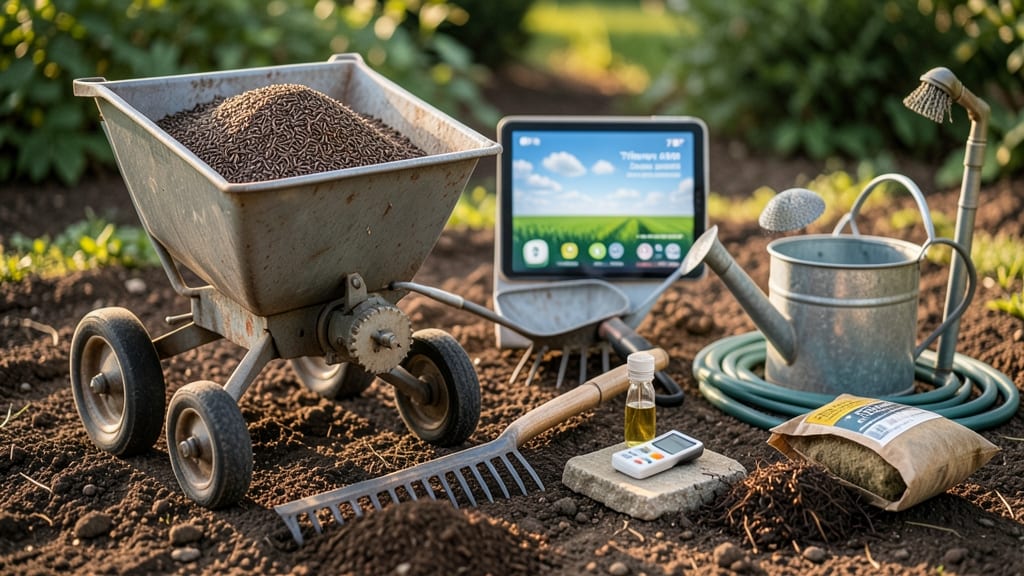
Planting grass seed in Alabama during late summer or early fall gives your lawn the strongest start before winter 🌱 — but miss the window, and you’ll end up with patchy growth or wasted seed.
Alabama’s hot summers and mild winters create the perfect window for planting grass seed—but timing is everything to avoid wasted effort and weak growth. If you plant too early, the heat will dry out the soil before roots take hold.
Too late, and frost can damage new shoots before they establish.
Most Alabama lawns thrive when seeded between mid-August and early October, when daytime temps stay above 70°F but nights cool enough to slow weed competition. This 6-week window is your best bet for deep root growth before winter dormancy.
In this guide, I’ll break down the exact months that work for your region (North vs. South Alabama), how to prep soil for maximum germination, and the grass types that handle Alabama’s heat and humidity best.
Best months to plant grass seed in Alabama for optimal root establishment
Alabama’s climate offers two prime windows for planting grass seed: late summer and early fall. Unlike northern states, Alabama’s USDA zones 7a-8b mean you can bypass spring planting entirely if you choose the right timing.
The key is avoiding extreme heat and weed competition while maximizing root growth before winter dormancy.
Southern Alabama’s warmer microclimates (like Mobile) allow planting up to October 15, while northern regions (like Huntsville) should finish by September 30. These deadlines ensure seeds germinate before first frost—typically mid-November—while avoiding summer’s heat stress that can kill young seedlings.
For warm-season grasses (Bermuda, Zoysia, St. Augustine), late summer planting (August-September) works best. These varieties thrive in heat but need 60-70°F soil temps to germinate. Cool-season grasses (Tall Fescue, Ryegrass) prefer early fall (September-October) when daytime temps drop to 75-85°F—ideal for root establishment before winter.
Here’s how Alabama’s two distinct regions differ in their optimal planting windows:
If you plant in late summer (August-September), prioritize Bermuda or Zoysia—they tolerate heat better than Tall Fescue. Water deeply twice daily (morning/evening) to keep soil 1-2 inches moist until germination (7–14 days).
For early fall (September-October), switch to Tall Fescue or Ryegrass and reduce watering as temps drop below 80°F.
Pro tip: Test your soil’s moisture content before planting. Stick a screwdriver 6 inches deep—if it resists, your soil is too dry. In Alabama’s clay-heavy soils, amend with compost to improve drainage and seed contact. This step alone can boost germination rates by 30%.
Timing also affects weed competition. Planting in late August gives you a head start on weeds, but September-October planting benefits from cooler temps that slow weed seed germination. Mulch lightly with straw after seeding to retain moisture and block weeds without smothering new grass.
Monitor your lawn’s progress with the 7-day rule: If grass doesn’t sprout within 7 days of planting, check for soil compaction or poor seed-to-soil contact.
Lightly rake and re-seed bare spots. In Alabama’s humidity, fungal diseases like dollar spot can appear if you water overhead—always use a soaker hose for even moisture.
By aligning your planting with Alabama’s microclimate and grass type, you’ll establish a lawn that’s 70% stronger by next spring. The secret? Root growth happens when soil temps are warm but air temps are cooling—exactly what late summer/early fall delivers.
🌱
Late summer vs. early fall planting: which works better in Alabama’s climate?
Alabama’s humid subtropical climate makes late summer and early fall the ideal windows for planting grass seed, but each has distinct advantages depending on your region’s microclimate.
In North Alabama (USDA Zone 7a), cooler nights arrive earlier, while South Alabama (Zone 8b) stays warmer longer—meaning your planting strategy should shift slightly between the two.
For most Alabama lawns, August through mid-September offers the best balance of soil moisture, moderate temperatures, and reduced weed competition.
However, planting too late in fall risks early frost damage, especially in the northern half of the state where frost can arrive as early as November 15.
Late Summer Planting (August-September)
- Warmer soil speeds germination
- Less weed competition than spring
- Established roots handle winter better
- Hotter days increase watering needs
- Late August heat can stress new seedlings
- Longer growing season means more pests
Early Fall Planting (October-November)
- Cooler temps reduce watering demands
- Lower weed pressure than summer
- Grass establishes before winter dormancy
- Frost risk increases in November
- Shorter growing window for root development
- Soil moisture drops as temps fall
If you’re in North Alabama, aim for late August to early September—this gives your grass 6-8 weeks of warm soil before frost. For South Alabama, you can extend planting until mid-October thanks to milder winters.
The key is ensuring your seeds have 4-6 weeks of growth before the first frost hits.
For warm-season grasses like Bermuda or Zoysia, late summer planting is ideal—they thrive in heat and establish deep roots before winter. Cool-season grasses like Tall Fescue benefit more from early fall planting, as they grow best in cooler temperatures. Always check your local frost dates and adjust accordingly.
Regardless of timing, soil moisture is critical. Late summer often means dry spells, so plan to water daily for the first 2 weeks after planting. In early fall, morning watering prevents fungal issues from evening moisture. Mulch lightly with straw or compost to retain moisture and suppress weeds.
My recommendation? Start in late August for a balance of growth and safety. If you miss that window, early September is still viable—just monitor weather forecasts and protect new seedlings if frost threatens. With the right timing, your Alabama lawn will reward you with dense, resilient grass by springtime. 🌱