
Plants
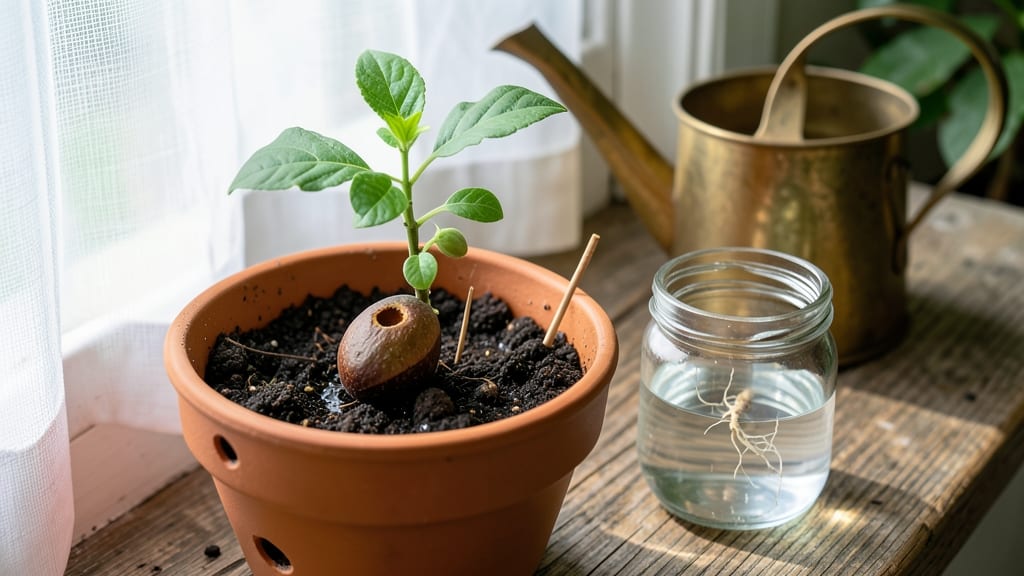
Planting an avocado seed in soil triggers germination when soil temperatures hit 60°F or warmer—the key to avoiding weeks of waiting or rot.
Picture this: you’ve got your seed sprouting roots in water, but now you’re staring at that soil, wondering, When is the right moment? Plant too soon in cool zones, and your seedling stalls.
Too late, and you risk fungal rot before roots establish. The answer depends on your USDA zone and a few simple warmth checks.
For most gardeners in Zone 6a (like my own backyard), the ideal window opens in late April, right after the last frost. But in warmer zones, you can start as early as February—if you’re patient enough for roots to brave the chill.
I’ll break down the exact timing for your zone, plus how to pre-warm seeds indoors for cooler climates.
You’ll also learn how to spot the perfect moment—when roots are 1-2 inches long and soil stays above 55°F at night. Skip the guesswork and get your 🥑 avocado tree off to a strong start with these zone-specific tips.
Optimal soil planting times for avocado seeds by USDA zone
Avocado seeds thrive when planted in soil that maintains a consistent warmth range of 55°F–80°F. This temperature window triggers root growth and prevents the seed from rotting or germinating too slowly. Since avocado trees are tropical, cooler climates require strategic timing or indoor pre-warming to create ideal conditions.
Let’s break down the best month-by-month planting windows for your USDA zone, plus how to adapt for cooler regions.
For gardeners in USDA zones 8–11, outdoor planting is possible year-round, but the optimal window aligns with natural soil warmth. In zones 6–7, you’ll need to pre-warm seeds indoors (using a seedling heat mat or warm water soak) before transplanting outdoors after the last frost.
Below, we’ll cover zone-specific timing and pre-warming techniques to maximize your seed’s success.
In USDA zones 6–7, where frost is a risk, pre-warming your avocado seed indoors is critical. Start by soaking the seed in warm water (70°F–80°F) for 24 hours to kickstart germination.
Place it in a jar with toothpicks suspended over water, then transfer to a seedling heat mat set to 75°F–80°F. Roots should emerge in 2–4 weeks, at which point you can plant it in a well-draining potting mix and keep it indoors near a south-facing window.
For zones 8–11, direct soil planting is ideal once temperatures consistently stay above 55°F. In Zone 8, aim for February–March or September–October to avoid summer heat stress. Zones 9–11 offer year-round planting, but spring (March–April) yields the fastest germination due to longer daylight hours and stable warmth.
Always plant seeds 1–2 inches deep in sandy, well-draining soil to prevent rot.
If you’re in a cooler microclimate within a warmer zone (e.g., high elevation in Zone 9), err on the side of delaying planting until May to ensure soil stays above 60°F. Use a soil thermometer to confirm warmth before planting—this simple tool can save your seed from stagnation.
Mulch with straw or wood chips to retain heat and moisture, especially in Zone 8 and below.
One common mistake is planting avocado seeds too deep or in compacted soil, which suffocates roots. The seed should sit just below the soil surface with the pointy end up (this is the root). Use a lightweight potting mix blended with perl
Signs your avocado seed is ready to plant (and what to avoid)
Your avocado seed has spent weeks soaking and sprouting roots—now it’s time to decide if it’s ready for soil. The key is root development and moisture balance. Look for 2–3 inch roots growing from the seed’s base, but avoid planting when roots are mushy or rotting.
Overwatering during germination is a common mistake that drowns seeds before they’re ready for transplant.
Before planting, test your soil warmth with a thermometer—ideal temperatures range between 65°F–75°F. Cooler soils slow germination, while overly hot soil can dry out roots.
If your outdoor soil is still chilly, pre-warm the seed by placing it near a sunny window or under a grow light for 2–3 days before transplanting.
⚠️ Critical Planting Mistakes to Avoid
Planting too deep (burying the seed more than 1–2 inches) suffocates the stem and stunts growth. Avocado seeds need partial exposure to light for photosynthesis before leaves emerge.
Overwatering after transplanting causes root rot. Let the top 1 inch of soil dry between waterings to mimic natural rainfall patterns.
Use a well-draining mix (50% potting soil, 50% perlite) to prevent soggy roots. If your seedling wilts within days, it’s often a sign of overwatering or poor drainage.
Adjust planting depth based on your humidity levels. In dry climates, plant slightly deeper (1.5 inches) to retain moisture, while humid areas benefit from shallower planting (1 inch) to prevent fungal growth. Gently press the soil around the seed to secure it without compacting.
Watch for new leaf growth as a final readiness sign. If your seedling develops 1–2 true leaves (not just the initial sprout), it’s ready for soil.
At this stage, roots are strong enough to support outdoor transplanting in warmer zones (USDA 9–11) or a sunny indoor spot for cooler climates.
If your seedling’s roots are longer than 3 inches but no leaves have appeared, it’s still viable but may need extra sunlight. Place it under a grow light for 12–14 hours daily to kickstart photosynthesis before planting.
Remember: Patience is key. Rushing the process by planting too early leads to weak stems or fungal infections, while waiting too long risks root desiccation. Aim for a balanced approach—roots established, soil warm, and leaves emerging—before committing to soil.