
Propagation
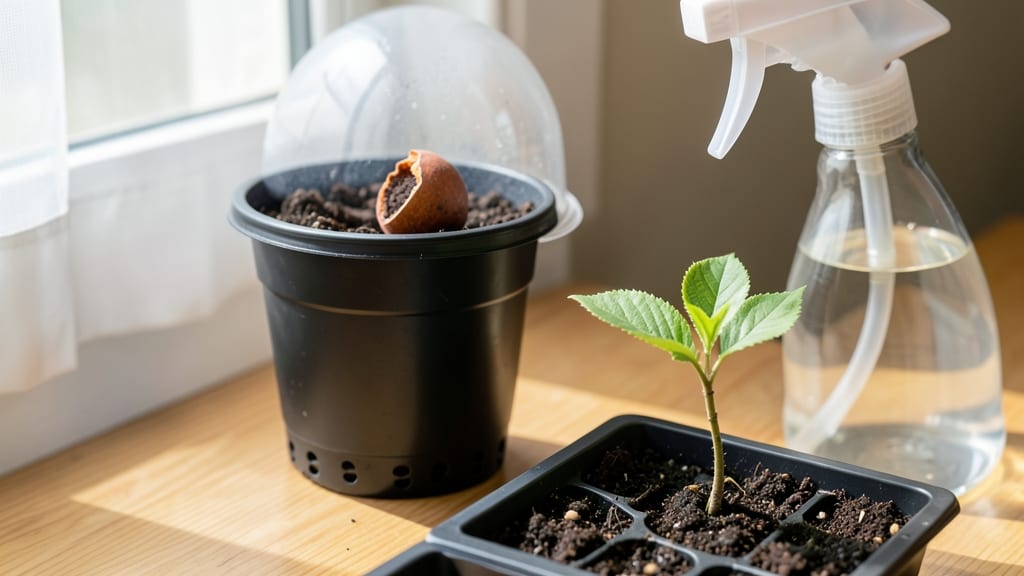
Growing peaches from seed indoors unlocks a year-round tree you can nurture from your windowsill. 🌱 I’ve turned kitchen scraps into sturdy saplings—now it’s your turn. The key? Patience and the right conditions, because these seeds take time to deliver their sweet rewards.
You’ll need a sunny spot, warm soil, and a deep container—think 5-gallon pots for mature roots. Start with fresh peach pits (from organic fruit), soak them overnight, then plant them ½-inch deep in moist potting mix. Germination can take 4-8 weeks, so stay consistent with warmth and light.
By year two, you’ll see real growth—6-inch stems and tiny leaves—but fruiting takes 3-5 years. The payoff? A dwarf tree that thrives indoors, with blossoms that smell like summer and fruit that’s worth the wait.
Just watch for leggy growth (a sign of weak light) and keep the soil damp but not soggy.
Perfect for small spaces, this method works year-round. Even if your first tree takes time, the journey is half the joy—imagine the stories you’ll tell when your indoor peach tree finally bears fruit. Let’s get those pits planted!
📚 In This Guide
- What you need
- Instructions
- Tips and common mistakes
- Wrapping up and next steps
What you need
- ● Peach pit: 1 fresh, organic peach pit (from a ripe, non-hybrid peach—avoid store-bought varieties if possible).
- ● Containers: 1 small seed-starting tray (with drainage holes) or
- ● 1 4–6-inch diameter pot (for direct sowing).
- ● Potting mix: 1 bag of well-draining, sterile seed-starting mix (avoid garden soil—it’s too dense!).
- ● Plastic wrap or humidity dome: 1 sheet to create a mini greenhouse effect.
- ● Spray bottle: 1 (for gentle watering).
- ● Grow lights or sunny windowsill: Access to 6+ hours of indirect light daily (south-facing window or LED grow lights).
- ● Sandpaper or knife: To lightly scratch the peach pit’s hard shell (speeds up germination).
- ○ Heating mat: 1 (optional, for faster germination—set to 70–80°F).
- ● Fertilizer: 1 balanced liquid fertilizer (5-5-5 or 10-10-10, diluted to half-strength) for after sprouting.
- ● Pruning shears: Small pair for future trimming (once your tree grows!).
- ● Humidity tray: 1 (DIY with pebbles + water to boost moisture).
Step-by-step instructions for growing peach trees from seed indoors
Here's how to coax a peach tree from seed—patience and precision are your best tools.
🌱 Step 1: Select and Prepare the Seed
Start with a fresh, plump peach pit from a ripe, disease-free fruit. Remove the pit, rinse off any fruit residue, and let it dry completely for 2-3 days. The key to breaking dormancy is cold stratification—place the pit in a sealed plastic bag with a damp paper towel, then refrigerate for 4-6 weeks.
Check the pit weekly—it should feel damp but not soggy. If mold appears, discard it and start fresh. This cold treatment mimics winter and signals the seed to germinate. I like to mark the bag with the date so I don’t forget when the stratification period ends.
🪴 Step 2: Plant the Stratified Seed
Fill a 4-inch diameter pot with a well-draining seed-starting mix (never garden soil—it’s too dense). Plant the pit 1 inch deep, with the pointed end facing upward. Gently press the soil around it to ensure good contact, but don’t compact it tightly.
Place the pot in a warm spot (70-75°F) with indirect light. A seedling heat mat speeds up germination, but a sunny windowsill works too. Keep the soil consistently moist—water when the top inch feels dry—but avoid soggy conditions, which can rot the seed.
☀️ Step 3: Wait for Germination and Early Growth
Germination can take 4-8 weeks, so don’t give up if nothing happens in the first month. Once a 2-inch sprout emerges, move the pot to a bright, sunny window or under a grow light for 12-14 hours daily. You’ll know it’s getting enough light when the leaves stay dark green and compact.
When the seedling reaches 6 inches tall, transplant it into a 1-gallon container with fresh potting mix. This prevents root binding, which stunts growth. Handle the seedling gently—peach trees are delicate at this stage and can break easily.
✂️ Step 4: Prune and Train for Strong Growth
Once the seedling has 4-5 sets of leaves, prune the top set to encourage branching. Use clean, sharp scissors to make a 45-degree cut just above a leaf node. This redirects energy to side shoots, creating a bushier tree. Remove any yellow or damaged leaves immediately—they slow growth.
Rotate the pot a quarter turn weekly so the tree grows straight, not leaning toward the light. By 6 months old, your peach seedling should have a sturdy trunk and multiple branches. If it grows leggy, it needs more light—move it closer to the window or under stronger grow lights.
🌿 Step 5: Overwinter and Prepare for Outdoor Transition
Peach trees need dormancy to fruit, so after the first year, reduce watering in winter and move the pot to a cooler spot (40-50°F). This mimics outdoor conditions and strengthens the tree. In spring, resume watering when new growth appears—usually around March or April, depending on your climate.
When the tree is 2-3 years old and 4-5 feet tall, it’s ready for outdoor planting. Harden it off by gradually exposing it to outdoor conditions over 2 weeks. Watch for signs of stress like wilting or yellowing leaves—these mean it’s not ready yet. Patience here ensures a healthy, productive tree.
Tips & tricks for growing peach trees from seed indoors
These insights will help you navigate the delicate balance between patience and precision as you nurture your peach tree from seed.
Seed Selection Matters: Choose pits from organic peaches when possible—they're less likely to carry disease. After removing the pit, don't be tempted to rush the drying process. Those 2-3 days of air drying are crucial for preventing mold during stratification. I've learned this the hard way after watching perfectly good pits develop fuzzy growth in the fridge. Pro tip: Use a paper towel to gently scrub off any remaining fruit flesh before drying.
Stratification Success: The 4-6 weeks of cold treatment is non-negotiable for breaking dormancy, but here's what nobody tells you—your refrigerator's crisper drawer is the perfect spot. It maintains consistent 40°F temperatures while preventing temperature fluctuations that can stress the seed. Check weekly by carefully opening the bag—you're looking for dampness, not sogginess. If you see condensation on the bag's interior, open it for 30 minutes to air it out.
Lighting Strategy: Once your 2-inch sprout emerges, position it within 6 inches of a south-facing window for maximum light exposure. If natural light is insufficient, supplement with a 12-14 hours daily grow light placed 4-6 inches above the seedling. I've found LED grow lights are most energy-efficient, but even a simple fluorescent bulb works in a pinch. The key is maintaining consistent light exposure—peach seedlings are sensitive to irregular light cycles that can cause leggy growth.
Transplanting Technique: When moving your 6-inch seedling to a 1-gallon container, use the "drip method" to minimize root disturbance. Water the original pot thoroughly, then gently slide the seedling out while supporting the root ball. This preserves the delicate root structure that's crucial for establishing your young tree. After transplanting, keep the soil slightly moist for the first 7-10 days to help it establish without stressing the roots.
Pro Tips for Grow Peaches From Seed Indoors
- These insights will help you navigate the delicate balance between patience and precision as you nurture your peach tree from seed.
- Seed Selection Matters: Choose pits from organic peaches when possible—they're less likely to carry disease.
- Stratification Success: The 4-6 weeks of cold treatment is non-negotiable for breaking dormancy, but here's what nobody tells you—your refrigerator's crisper drawer is the perfect spot.
Frequently asked questions
Got questions about growing peaches from seed indoors? You’re not alone! Here are some of the most common queries—and their answers—to help you navigate this rewarding (but patience-demanding) process.
How long does it take for a peach seed to sprout indoors?
A peach seed typically sprouts in 2–4 weeks if kept in warm, moist conditions (around 70–80°F). Patience is key—some seeds may take longer, especially if they’re dried out or stored improperly. Pro tip: Soak seeds overnight before planting to speed up germination!
Will my indoor-grown peach tree ever bear fruit?
Peach trees grown from seed are unlikely to produce fruit for at least 5–7 years (if ever). Seedlings often develop into different varieties than the parent tree, and indoor conditions may not fully replicate outdoor pollination needs. For fruit, consider grafting or buying a dwarf variety instead.
What’s the best indoor setup for a peach seedling?
Start seedlings in a sunny windowsill (south-facing) or under a grow light for 12–14 hours/day. Once sprouted, use a 5–7 gallon pot with well-draining soil (like a 50/50 mix of potting soil and perlite). Move outdoors in spring only after the last frost—peaches hate cold!
Why did my peach seedling turn yellow or wilt?
Yellowing leaves often signal overwatering or nutrient deficiency. Wilting can mean underwatering or root stress. Check soil moisture (top inch should dry out between waterings) and ensure the pot has drainage holes. Pro tip: Yellow lower leaves are normal as the seedling matures, but upper leaves turning yellow? Time for fertilizer (use a balanced 10-10-10 mix).
Can I grow peaches from store-bought peaches?
Yes! Fresh, organic peaches work best—avoid pre-treated or waxy fruit. Rinse the pit, remove the flesh, and dry it before planting. Warning: Some grocery store peaches may be irradiated or treated, which can inhibit germination. Always source seeds from homegrown or untreated fruit for better results.
Wrapping up and next steps
Growing peaches from seed indoors is a rewarding journey that blends patience with the joy of nurturing life from scratch! 🌱 While it may take time for your seedling to bear fruit, the process itself is a fascinating way to connect with nature—even in small spaces.
Once your peach tree is thriving, consider transplanting it outdoors (if climate permits) or sharing the magic of propagation with fellow plant enthusiasts.
Next step: Start with just one seed—your future peach tree awaits! 🌟